Is Grass Seed Harmful to Rabbits? Which Grasses Are Not Safe for Rabbits?
by Lee Safin
Most grass seed is not immediately toxic to rabbits, but that doesn't mean it's safe to ignore. If you've been asking whether is grass seed harmful to rabbits, here's your direct answer: untreated, plain grass seed carries low risk in small amounts, but treated or coated seed — the type found in most commercial lawn mixes — can cause real harm. Your lawn care routine and your rabbit's safety are more connected than most pet owners realize. For broader advice on keeping your garden pet-friendly and productive, browse our gardening tips section.
Rabbits are instinctive grazers. Whether wild or domesticated, they naturally explore and nibble anything green — or seed-shaped — in their path. A free-roaming rabbit in your yard will almost certainly investigate freshly spread lawn seed. The problem isn't always the grass itself. It's what's been added to that seed before it ever reaches your lawn.
This guide breaks down which grasses are low-risk versus dangerous, which common lawn habits put your rabbit at risk, what experienced owners do differently, and how to build a safer outdoor space. You'll get clear, practical answers without the fluff.
Contents
Which Grass Seeds Carry the Least Risk — and Which to Avoid
Not all grass seed is created equal. Some types are genuinely harmless to rabbits in small quantities. Others can trigger digestive upset, toxicity, or worse. Before you reseed your lawn, it helps to know exactly what you're working with.
Untreated vs. Treated Seed: The Critical Difference
Plain, untreated grass seed — just the seed, nothing added — is generally low-risk for rabbits. It's not nutritious for them, and it's not part of a healthy rabbit diet, but nibbling a few seeds isn't likely to cause a crisis.
Treated seed is a different story. Most commercial lawn seed mixes contain fungicides, pesticides, or fertilizer coatings that make the seeds look blue, green, or pink. These coatings are what make grass seed harmful to rabbits. Exposure can cause:
- Digestive upset and diarrhea
- Lethargy or loss of appetite
- Neurological symptoms in high doses
- In severe cases, organ stress
If you're mixing seed with fertilizer at seeding time, see our guide on how to mix grass seed and fertilizer at the same time — and keep rabbits away from treated areas until the seed has fully germinated and the lawn has been watered thoroughly at least twice.
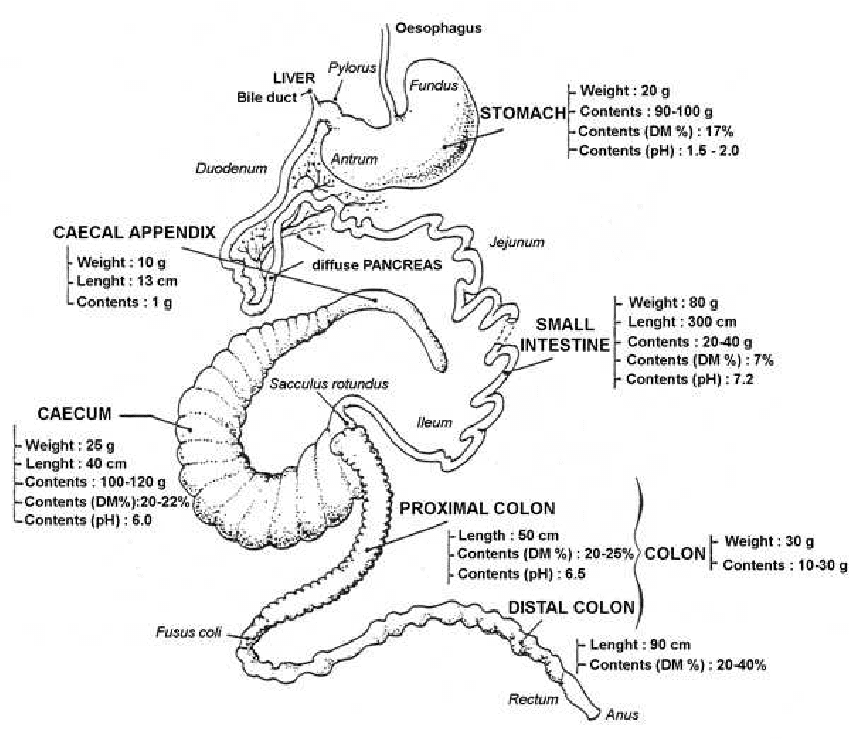
Rabbits have a sensitive digestive system. Unlike dogs or cats, they can't vomit — so anything harmful they ingest has to pass through completely. That's why prevention matters far more than treatment when it comes to chemical exposure.
Grass Types and Their Safety Profile
The variety of grass also plays a role. Some grasses are safer for rabbits to graze on once established. Others should be avoided entirely. Here's a quick reference:
| Grass Type | Safe for Rabbits to Graze? | Notes |
|---|---|---|
| Timothy grass | Yes | Excellent — also sold as hay, a rabbit dietary staple |
| Orchard grass | Yes | Good for grazing; commonly used in rabbit hay mixes |
| Meadow fescue | Generally yes | Safe if untreated; avoid coated seed varieties |
| Kentucky bluegrass | Low risk if untreated | Many commercial mixes use treated seed — check label |
| Bermuda grass | Low risk in small amounts | High sugar content; not ideal as a primary grazing grass |
| Ryegrass (perennial) | Caution | Can cause ergot fungus issues if diseased; inspect regularly |
| St. Augustine grass | Avoid | Coarse, low nutrition; often treated with pesticides |
| Kikuyu grass | Avoid | Invasive; some rabbits develop digestive issues |
Lawn Care Mistakes That Can Harm Your Rabbit
Even well-meaning rabbit owners make lawn care decisions that create real danger. Most of these mistakes are easy to fix once you know what to look for.
Coated Seed Mixes and Fertilizer Blends
"Lawn starter" products that bundle seed, fertilizer, and mulch together are popular — and convenient. But they're among the highest-risk products for free-roaming rabbits. The fertilizer component often contains nitrogen compounds that are harmful when ingested.
Common mistakes to avoid:
- Buying "all-in-one" lawn repair products without reading the ingredient label
- Assuming seed is untreated just because it looks plain — check for coating colors
- Letting rabbits back onto a freshly seeded area before germination is complete
- Using slow-release fertilizer granules mixed with seed near areas where rabbits graze
Warning: If you've recently spread treated lawn seed and your rabbit shows symptoms like diarrhea, lethargy, or loss of appetite, contact your vet immediately — don't wait to see if it passes.
Pesticides and Herbicides on Seeded Lawns
Pre-emergent herbicides (used to stop weeds from germinating) are often applied around the same time as grass seed. These products are designed to interrupt plant germination — and many contain chemicals that are harmful to small mammals, including rabbits. According to information on domestic rabbits, their small body weight makes them far more vulnerable to toxic exposure than larger animals.
Follow these safety rules:
- Never apply herbicide and grass seed to the same area at the same time
- Wait at least 4–6 weeks after herbicide application before allowing rabbit access
- Choose organic or rabbit-safe weed control where possible
- Read every product label — "pet safe when dry" doesn't always mean safe for rabbits
Slugs and other pests can also drive you toward chemical treatments in the garden. If you're dealing with pests without wanting to harm your rabbit, our guide on how to stop slugs eating plants covers non-toxic strategies worth considering.
Fresh Grass vs. Hay: What New and Experienced Owners Do Differently
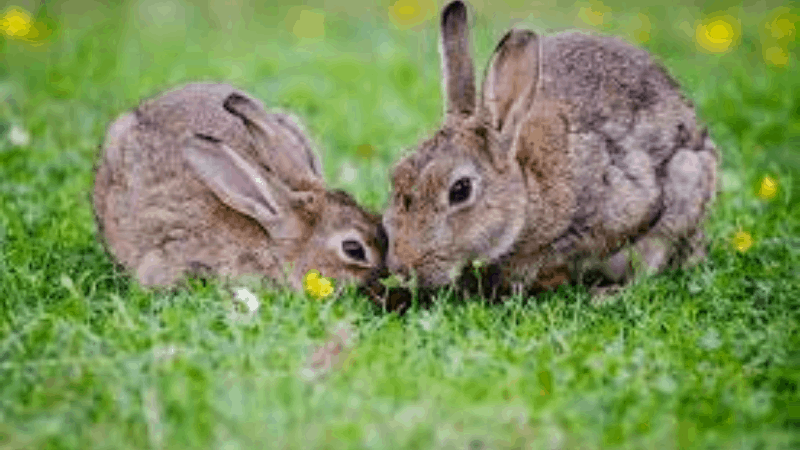
One of the most common questions that comes up alongside "is grass seed harmful to rabbits" is whether fresh lawn grass can replace hay in a rabbit's diet. The answer reveals a big gap between what new owners assume and what experienced owners know.
What Beginners Tend to Get Wrong
New rabbit owners often assume that because wild rabbits eat grass, domestic rabbits can eat whatever's in the backyard. This logic makes sense on the surface — but it misses some important details.
Common beginner assumptions that cause problems:
- Thinking fresh grass can fully replace hay — Fresh grass is high in moisture and can cause loose stools if eaten in large amounts without a gradual transition
- Letting rabbits graze on recently mowed lawns without knowing what products were used
- Not distinguishing between grass and grass seed — they affect a rabbit's body very differently
- Assuming a "small nibble" of treated seed isn't enough to cause harm — even trace amounts of fungicide coating can affect small rabbits
What Experienced Rabbit Owners Do Instead
Experienced rabbit owners treat lawn access as something that needs to be managed — not something that's automatically fine.
Here's what that looks like in practice:
- They keep a record of every lawn product used and when
- They maintain a dedicated untreated grazing patch, separate from the main lawn
- They introduce fresh grass gradually — starting with small amounts to avoid digestive shock
- They prioritize high-quality hay (timothy, orchard grass) as the dietary foundation, with fresh grass as a supplement only
- They check any new plant in the garden before allowing rabbit access — understanding that many common garden plants are toxic
The difference between beginner and experienced isn't knowledge of rabbits — it's treating the garden as a managed environment rather than a free-for-all.
Setting Up a Rabbit-Safe Garden Space
The good news: with a few practical steps, you can give your rabbit outdoor time without constant worry. It's less about restricting freedom and more about designing a space that works for both of you.
Barriers, Zones, and Safe Grazing Areas
Creating clear physical zones is the most reliable way to keep your rabbit away from treated areas. You don't need anything elaborate.
Basic setup:
- Use lightweight garden fencing or a rabbit run to define the grazing area
- Grow a dedicated patch of timothy or orchard grass in that zone — untreated, no chemicals
- Mark treated lawn areas with small flags or stakes so you remember where boundaries are
- Keep the grazing zone away from areas where lawn seed, fertilizer, or weed killer is applied
- Check the zone weekly for any volunteer weeds that may have been treated
Choosing Rabbit-Safe Plants for Your Garden
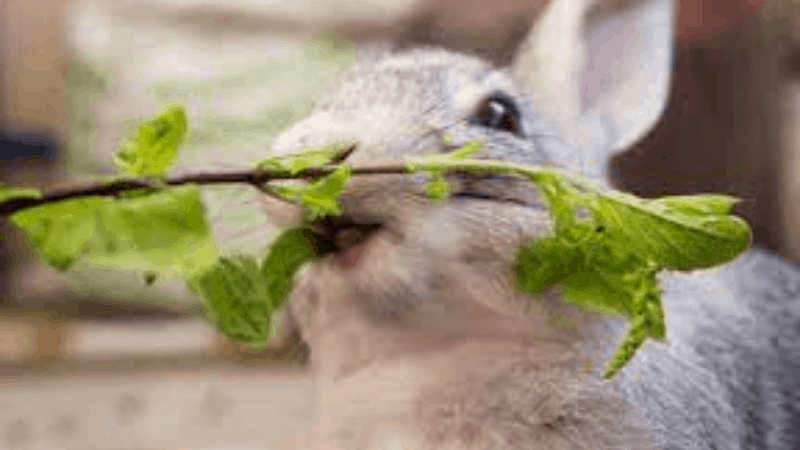
Many gardeners are surprised by how many common plants — herbs, flowers, shrubs — are actually toxic to rabbits. When you're designing a garden space that includes rabbit access, plant selection matters as much as lawn chemical management.
Plants that are generally rabbit-safe in moderate amounts:
- Herbs: basil, parsley, dill, cilantro, chamomile
- Leafy greens: romaine lettuce, kale, bok choy
- Flowers: roses (petals only, no pesticides), calendula, nasturtium
- Grasses: timothy, orchard grass, meadow fescue
Plants to keep rabbits away from:
- Tulips, daffodils, and most bulb flowers
- Foxglove, oleander, and rhododendron
- Tomato leaves and potato plants
- Most ornamental grasses that are high in oxalates
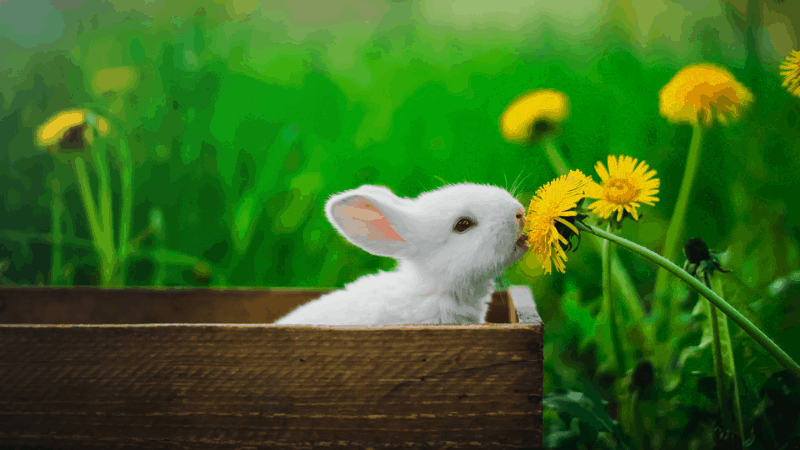
Sunflower leaves and petals are generally safe for rabbits in small amounts. Sunflower seeds, however, are high in fat and should be treated as an occasional treat — not a regular snack. Always introduce any new plant slowly and monitor your rabbit's stool and energy levels for 24–48 hours afterward.
Frequently Asked Questions
Is grass seed harmful to rabbits if they only eat a small amount?
A few untreated grass seeds are unlikely to cause serious harm. The real risk comes from treated or coated seeds, which contain fungicides or pesticides. Even small amounts of these chemicals can cause digestive problems in rabbits due to their sensitive gastrointestinal systems. When in doubt, keep your rabbit away from any freshly seeded area.
How long should I wait before letting my rabbit onto a reseeded lawn?
Wait until the new grass has germinated fully and the lawn has been watered and dried at least twice. For treated seed, a minimum of four to six weeks is a safer guideline. If the seed contained fertilizer or pesticide coating, err on the side of a longer wait and choose a separate untreated grazing area in the meantime.
Can rabbits eat fresh lawn grass as a substitute for hay?
Fresh grass can supplement a rabbit's diet but should not replace hay entirely. Hay provides the long fiber strands rabbits need to keep their digestive system moving properly. Fresh grass is high in moisture and, in large quantities, can cause loose stools or digestive imbalance. Introduce it gradually alongside a hay-based diet.
Which types of grass are safest for rabbits to graze on?
Timothy grass and orchard grass are the safest options — both are commonly sold as rabbit hay and are well-tolerated by most rabbits. Meadow fescue is also a reasonable choice if it's untreated. Avoid St. Augustine, kikuyu, and any grass variety typically sold with pesticide coatings or in "all-in-one" lawn care products.
What are the signs that a rabbit has eaten something harmful from the lawn?
Watch for diarrhea or very soft stools, reduced appetite, lethargy, bloating, or grinding of teeth (a sign of pain). If your rabbit shows any of these signs after lawn access — especially if you've recently applied seed, fertilizer, or weed killer — contact your vet promptly. Don't wait for symptoms to resolve on their own.
Next Steps
- Check every bag of grass seed and lawn product in your garage right now — look for any mention of fungicide, pesticide, or fertilizer coating, and store them out of reach of your rabbit.
- Set up a dedicated rabbit grazing zone using untreated timothy or orchard grass seed in a fenced-off area away from your main lawn.
- Create a simple log of any lawn chemicals you apply, including the date and product name, so you always know when it's safe to allow rabbit access again.
- Audit your garden for toxic plants and remove or fence off anything on the danger list — bulbs, foxglove, and ornamental grasses are common culprits.
- Book a quick check-in with your vet to discuss your rabbit's diet and confirm that your current hay and fresh food routine is meeting their nutritional needs.


About Lee Safin
Lee Safin was born near Sacramento, California on a prune growing farm. His parents were immigrants from Russia who had fled the Bolshevik Revolution. They were determined to give their children a better life than they had known. Education was the key for Lee and his siblings, so they could make their own way in the world. Lee attended five universities, where he studied plant sciences and soil technologies. He also has many years of experience in the U.S. Department of Agriculture as a commercial fertilizer formulator.
Get FREE Gardening Gifts now. Or latest free toolsets from our best collections.
Disable Ad block to get all the secrets. Once done, hit any button below