Americans spend over $21 billion on houseplants every year, yet fewer than one in five buyers actively seek out varieties chosen specifically for fragrance — which means most indoor gardens are only delivering half the sensory experience they could. If you have spent any time in a room where a gardenia or jasmine is in full bloom, you already understand how completely a single plant can transform the atmosphere, making your home smell like something out of a botanical conservatory. In 2026, the selection of fragrant plants available to home growers has never been more impressive, ranging from compact lavender packs to full jasmine starter sets that hit the ground running.
The houseplants on this list were chosen not just for their scent profiles but for how reliably they perform indoors, how easy they are to source, and how much fragrance they deliver relative to their footprint. You do not need a greenhouse or a sprawling garden to enjoy these plants — a sunny windowsill, a south-facing balcony, or a well-lit living room corner is often all it takes. For additional growing advice beyond what these individual product reviews cover, our gardening tips section has a wealth of guides on soil prep, watering schedules, and seasonal care.

Whether you are drawn to the heady sweetness of gardenia, the clean herbal bite of mint, the powder-soft warmth of hyacinth, or the exotic intensity of Arabian jasmine, this guide covers the seven best-smelling houseplants you can order right now and grow successfully. Each recommendation below comes with honest pros and cons, care context, and a clear explanation of who each plant suits best — because the right fragrant plant for a first-time grower is not necessarily the right one for someone managing a serious indoor garden. Understanding which insects may target your new plants is also worth preparing for, and our review of the best insecticides for indoor plants is a useful companion read before you get started.
Contents
- Editor's Recommendation: Top Picks of 2026
- Our Hands-On Reviews
- August Beauty Gardenia — Best for Classic Indoor Fragrance
- Live Lavender 2-Pack — Best for Calming Scent on a Budget
- 10 Large Mixed Hyacinth Bulbs — Best for Spring Fragrance Variety
- Paperwhite Narcissus Bulbs — Best for Effortless Indoor Blooming
- Fragrant Tea Olive Live Plant — Best Evergreen Fragrant Shrub
- Chocolate Mint Herb Plants — Best Edible Fragrant Plant
- Arabian Jasmine Plants — Best for Intense Tropical Fragrance
- Choosing the Right Fragrant Houseplant
- Questions Answered
Editor's Recommendation: Top Picks of 2026
- #PreviewProductRating
- Bestseller No. 1
 Rating:

- Bestseller No. 2
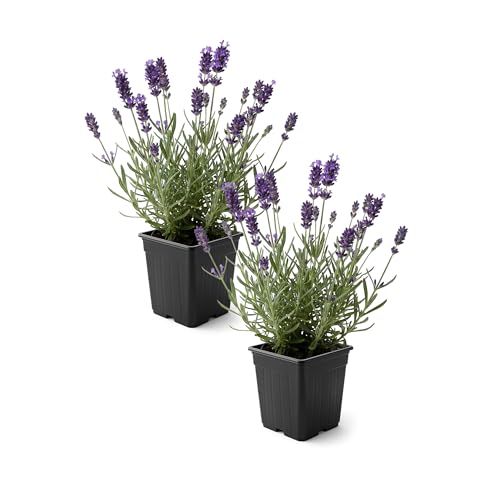 Live Lavender 2-Pack – Purple – Fragrant Sun Perennial Herb, Pollinator Friendly, 10” Tall, 1 Qt PotRating:
 - Bestseller No. 3
 Rating:
 - Bestseller No. 4
 Rating:
 - Bestseller No. 5
 Rating:
 - Bestseller No. 6
 Rating:
 - Bestseller No. 7
 Rating:

Our Hands-On Reviews
1. Shrub 2.5 Qt. August Beauty Gardenia — Best for Classic Indoor Fragrance
If there is one plant that defines the idea of a fragrant indoor shrub, the August Beauty Gardenia is it. This variety produces large, creamy white blooms with a rich, warm sweetness that fills a room almost immediately — a single plant near an open window can scent an entire ground floor on a warm evening. The botanical name Gardenia jasminoides (Cape Jasmine) tells you everything about its fragrance heritage, and the August Beauty cultivar specifically earns its name by blooming reliably through the warmest months of the year, often producing multiple flush cycles from late spring well into autumn.
This 2.5-quart specimen arrives as an established shrub capable of reaching 36 to 48 inches wide and 48 to 72 inches tall at maturity, which makes it a genuine statement plant rather than a delicate windowsill novelty. It is rated for USDA Zones 7–9, meaning it thrives outdoors in mild climates but performs well as a container plant indoors in colder regions, provided you place it in a bright, humid spot and give it slightly acidic soil. Gardenias are notoriously fussy about consistent moisture, and they will drop buds if the temperature fluctuates sharply or if the air around them dries out — so a humidity tray or regular misting is not optional, it is essential to success.
The size you receive with this listing is genuinely useful: you are not starting from a cutting or a seedling, you are getting a substantial plant that will bloom in the same season you plant it. For an indoor fragrance anchor that doubles as an elegant specimen shrub, the August Beauty Gardenia is the single most rewarding investment on this list.
Pros:
- Exceptionally rich, classic gardenia fragrance that fills large rooms
- Multiple bloom cycles from late spring through autumn
- Arrives as a mature 2.5 Qt. shrub ready to bloom in season
Cons:
- Requires consistent humidity and acidic soil — more demanding than most houseplants
- Not cold-hardy below Zone 7, so outdoor placement is limited in northern climates

2. Live Lavender 2-Pack – Purple – Fragrant Sun Perennial Herb — Best for Calming Scent on a Budget
Lavender's combination of visual appeal and functional fragrance makes it one of the most consistently popular fragrant plants for home growers, and this two-pack delivers exceptional value for anyone who wants to establish a compact lavender display quickly. Each plant reaches approximately 12 inches tall and wide with a dense, mounded growth habit, producing classic purple flower spikes loaded with that instantly recognizable clean, herbal, slightly floral scent that has been scientifically linked to reduced anxiety and improved sleep quality — making lavender a particularly smart choice for bedrooms and reading spaces.
These plants arrive ready to grow, not as seeds or cuttings, and the 1-quart pot size means you have a plant with enough root development to transplant immediately into a larger container or a sunny outdoor bed. Lavender demands full sun — at least six to eight hours of direct light daily — and extremely well-draining soil, because root rot from waterlogged conditions is the number-one reason lavender plants fail indoors. Place them in your sunniest south-facing window, water deeply but infrequently, and you will have a perennial that comes back stronger every year. Our in-depth lavender planting guide covers sun requirements, spacing, and seasonal care in full detail if you want to maximize these plants' longevity.
The pollinator-friendly designation is a bonus if you move these pots outdoors during summer: bees and butterflies seek out lavender with almost magnetic urgency. Getting two plants instead of one for the same basic price point makes this listing particularly efficient for anyone setting up a fragrant balcony or indoor herb display for the first time in 2026.
Pros:
- Two established plants that provide immediate fragrance impact
- Perennial — comes back year after year with minimal care
- Clinically supported calming scent profile; ideal for bedrooms
Cons:
- Requires a full-sun location — underperforms in low-light interiors
- Very sensitive to overwatering; drainage must be excellent
3. 10 Large Mixed Hyacinth Bulbs (16-17 cm) — Best for Spring Fragrance Variety
Hyacinths produce what many fragrance experts consider the single most powerful and distinctive scent in the spring bulb category — a dense, sweet, almost narcotic floral perfume that can be detected from across a room within days of the blooms opening. This collection of ten premium-grade bulbs at the 16–17 cm size classification delivers exactly what the sizing standard promises: robust, full-sized blooms with maximum fragrance output, not the undersized bulbs that discount suppliers often pass off as "mixed collections." The range of ten varieties spanning purple, blue, white, pink, yellow, orange, and peach means your indoor display has visual variety that matches its olfactory impact.
Growing hyacinths indoors from bulbs is straightforward when you respect the cold requirement. Most hyacinth varieties need 10 to 14 weeks of chilling at 35–45°F before they will bloom reliably, which means pre-chilling in your refrigerator (away from fruit, which produces ethylene gas that damages bulbs) from autumn through late winter. Once you bring them out and pot them up, the growth is remarkably fast — you will see shoots within a week and full blooms within three to four weeks. The 16–17 cm bulb size is classified as top-size in the industry, a designation recognized by the Royal General Bulbgrowers' Association as producing the most vigorous flowering specimens.
The diversity of this set also makes it an intelligent buy if you are planning a spring container garden or want to stagger your indoor blooms across several weeks by potting batches at different times. For additional guidance on getting the most from your spring bulbs, our article on how to grow daffodils from bulbs covers the planting depth and naturalization techniques that apply equally well to hyacinths.
Pros:
- Premium 16–17 cm top-size bulbs ensure maximum bloom size and fragrance
- Ten different varieties deliver visual variety across a wide color spectrum
- Excellent for indoor forcing — blooms appear within 3–4 weeks of potting
Cons:
- Requires a cold pre-chilling period of 10–14 weeks — needs planning ahead
- Blooms are seasonal; bulbs do not reflower as reliably in subsequent years indoors
4. Paperwhite Bulbs, Indoor Narcissus (5 Bulbs, Already Sprouting) — Best for Effortless Indoor Blooming
Paperwhites occupy a unique position in the fragrant houseplant world because they are virtually foolproof. Unlike most other spring bulbs, Narcissus tazetta varieties do not require a cold pre-chilling period to bloom indoors — you can set them in a shallow dish of water and pebbles, place them on any bright surface, and have white star-shaped blooms filling your home with their sweet, slightly musky fragrance within three to five weeks. The fact that these five bulbs arrive already sprouting accelerates that timeline even further, meaning you could realistically have blooms within two to three weeks of delivery.
The fragrance profile of paperwhites is distinctive and divisive in equal measure — the scent is intense, sweet, and slightly indolic, which some growers describe as intoxicating and others find overwhelming in a small space. This makes them better suited to larger rooms, hallways, or conservatories than to small bedrooms where the concentration can become overpowering by night. One batch of five bulbs in a 10-inch bowl will fragrance a standard-sized living room without any additional effort, supplementation, or specialized growing equipment — no grow lights, no special soil, no humidity control required.
If you have ever wanted to give fragrant houseplants as a gift, paperwhites in a glass bowl with decorative pebbles are genuinely elegant and require virtually no gardening knowledge from the recipient. The already-sprouting feature is a meaningful selling point here: you are not waiting weeks for anything to happen, and the psychological satisfaction of watching rapid, visible growth makes this a particularly rewarding choice for beginner growers.
Pros:
- No cold chilling required — blooms indoors without refrigeration
- Arrives already sprouting; faster to flowering than any other bulb option here
- Can be grown in water and pebbles alone — no soil or special equipment needed
Cons:
- Fragrance is very intense and may be overpowering in small, enclosed rooms
- Single-season indoor plants; bulbs do not reliably rebloom after forcing

5. Fragrant Tea Olive Live Plant (Osmanthus fragrans) — Best Evergreen Fragrant Shrub
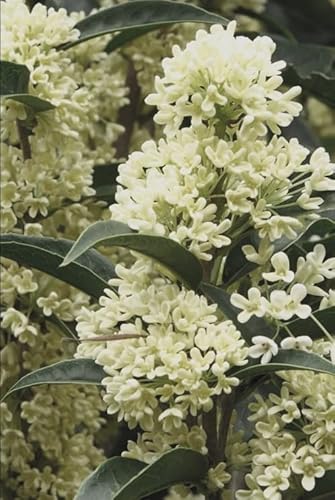
The Tea Olive, or Osmanthus fragrans, is arguably the most underrated fragrant plant available to home growers in 2026, because it offers something that no other plant on this list can match: intense, year-round fragrance from an evergreen shrub that stays attractive and structural even when it is not actively in bloom. The scent is often described as a perfect fusion of apricot, peach, and jasmine — lighter than gardenia but more complex than lavender, and detectable at distances that seem almost implausible given the tiny size of each individual white blossom.
This rooted starter plant arrives ready to establish in a container or in the ground, and its evergreen foliage provides year-round visual structure — glossy, dark green leaves that look presentable in any season, not just during the bloom window. Osmanthus fragrans is a slow grower, which actually works in your favor as a container plant because you are not constantly repotting or managing aggressive growth. In mild climates it can reach 10 to 15 feet as a landscape shrub, but container cultivation naturally restricts size while concentrating the plant's energy into repeated bloom cycles throughout the growing season.
The care requirements are reasonable: bright indirect light indoors or partial to full sun outdoors, consistent moisture without waterlogging, and slightly acidic to neutral soil with good drainage. If you are serious about building an indoor fragrance garden that delivers scent in autumn and winter when most other plants are dormant, the Tea Olive fills that seasonal gap better than anything else available at this price point. It is the plant that makes your home smell expensive without requiring expensive ongoing care.
Pros:
- Blooms multiple times per year, including autumn and winter when others are dormant
- Evergreen structure means the plant looks good year-round, not just in flower
- Complex apricot-jasmine scent detectable from several meters away
Cons:
- Slow-growing — takes several seasons to reach its full fragrance potential
- Less cold-hardy than lavender; needs protection below 10°F

6. Clovers Garden Chocolate Mint Herb Plants (2 Live Plants) — Best Edible Fragrant Plant
Chocolate mint earns its place on this list not by competing with the headier floral fragrances above, but by offering something entirely different: an immediate, clean, edible scent that hits you the moment you brush past the leaves — a genuinely convincing fusion of cool peppermint and dark chocolate that functions as both a fragrant houseplant and a productive kitchen herb. Two large plants at 4 to 8 inches tall arrive non-GMO and free from neonicotinoids in 4-inch pots, with root development robust enough to handle transplanting without the transplant shock that commonly kills mint cuttings from less reputable suppliers.
The key advantage this herb holds over every other plant on this list is its dual-purpose utility: you get continuous fragrance from the foliage throughout the growing season, and you get a harvest-ready herb that improves summer desserts, cocktails, iced coffee, and cold beverages. Mint spreads aggressively if given unrestricted root space, so growing in a contained pot is the correct approach indoors — it keeps the plant compact, makes watering predictable, and prevents the root invasion that ruins shared containers. Regular harvesting by snipping stems back actually encourages denser, more fragrant new growth rather than depleting the plant.
The 10x Root Development claim from Clovers Garden reflects genuine quality control in their propagation process, and it shows in how quickly these plants establish after transplanting. If you want a fragrant plant that you can also eat, grow in partial shade indoors, and harvest repeatedly throughout 2026 without significant effort, chocolate mint is the no-brainer choice. Anyone interested in the broader benefits of culinary herbs should also read our piece on the 30 health benefits of basil — the same mindset applies beautifully to mint.
Pros:
- Dual-purpose: continuous foliage fragrance and a productive kitchen herb harvest
- Robust root development handles transplanting better than most mint varieties
- Non-GMO, neonicotinoid-free, and attractive to pollinators outdoors
Cons:
- Fragrance comes primarily from leaf contact, not ambient blooming like floral plants
- Can become invasive if allowed to spread beyond its container
7. Jasmine Plants Live, Set of 3 Sambac Arabian Jasmine — Best for Intense Tropical Fragrance

Arabian Jasmine (Jasminum sambac) is the variety used in jasmine tea, in garlands throughout South and Southeast Asia, and in some of the world's most coveted perfumes — and receiving three starter plants of this species represents serious value for anyone building an indoor fragrance garden. The scent is tropical, rich, and unmistakably jasmine: warmer and more complex than common jasmine, with a sweetness that intensifies as the temperature rises and evening approaches, making it the ideal plant for a warm, well-lit kitchen or sunroom. Sambac jasmine is also one of the most rewarding indoor climbers you can grow, with a long blooming period that stretches across months rather than weeks when given the right conditions.
At 5 to 7 inches long, these starter plants arrive without a pot — you need to have your containers and well-draining potting mix ready at arrival, which is worth planning for. Sambac jasmine grows vigorously given warmth, humidity, and bright light, and it responds well to training on a small trellis or around a wire form, making it both a fragrant and visually architectural addition to your indoor space. It does require consistent moisture — not waterlogging, but it does not tolerate the dry-soil forgiveness that lavender offers — and it thrives in the warmth that most home interiors naturally provide, meaning it is genuinely suited to year-round indoor cultivation rather than just seasonal outdoor use.
Getting three plants allows you to distribute fragrance across multiple rooms, create a trained display on a larger support structure, or simply have backup plants while your primary specimen establishes. The long blooming window, the cultural significance, and the raw intensity of the fragrance make this the most impressive of the seven plants reviewed here for anyone who wants their indoor garden to deliver a genuine sensory statement in 2026.
Pros:
- Exceptional fragrance intensity — used commercially in perfumery and jasmine tea
- Long blooming period spanning months, not weeks
- Three starter plants provide immediate coverage and redundancy
Cons:
- Arrives without a pot — requires containers and soil on hand at delivery
- Needs consistent warmth and moisture; less forgiving than drought-tolerant options
Choosing the Right Fragrant Houseplant: A Buying Guide
Matching Fragrance Intensity to Your Space
The most common mistake people make when buying fragrant houseplants is not thinking about room size and ventilation. A paperwhite narcissus in a small bathroom will become overwhelming within days — not because the plant is wrong, but because the space is too confined for that particular fragrance concentration. As a general rule, the more intense the scent (paperwhites, jasmine, gardenia), the more generous your room size should be. Lavender and chocolate mint release fragrance primarily on contact or during warmth, which makes them more controllable in smaller spaces. Tea olive sits in the middle — its scent is genuinely powerful but released in gentle waves rather than the sustained intensity of jasmine or hyacinth. Match intensity to your square footage and ventilation, and you will never have a plant that feels oppressive rather than pleasant.
Light Requirements: The Non-Negotiable Constraint
Every plant on this list needs meaningful light to perform at its fragrant best, but the specific requirements vary enough to determine placement before you buy. Lavender and hyacinths require direct sun — without a south-facing window or supplemental grow lighting, they will become leggy, reduce their bloom output, and deliver only a fraction of their fragrance potential. Gardenia and jasmine need bright indirect light at minimum, and both respond extremely well to being moved outdoors during summer. Tea olive is the most shade-tolerant of the flowering options here, handling bright indirect light indoors without significant bloom reduction. Chocolate mint is the most flexible: it will grow and fragrance in partial shade where no flowering plant would survive. If your home is genuinely low-light, mint is your most reliable fragrant option, and if you need grow lights to supplement, our review of whether grow lights are necessary for indoor plants provides a detailed breakdown of what lighting levels actually mean for plant health.
Seasonal vs. Year-Round Fragrance
Some of the plants on this list are seasonal performers — hyacinths and paperwhites deliver extraordinary fragrance for a few peak weeks then go dormant, while gardenias bloom in concentrated summer flushes. If your goal is fragrance throughout the calendar year, you need to layer different plants with complementary seasonal windows. The Tea Olive is exceptional for autumn and winter fragrance when everything else has stopped. Arabian jasmine blooms repeatedly through the warmer months. Chocolate mint delivers foliage fragrance year-round indoors with no seasonality at all. Building a fragrant indoor garden that works across all twelve months of 2026 means combining at least one evergreen or year-round performer with your seasonal bloomers.
Care Level Honesty: Picking the Right Plant for Your Commitment
Be honest with yourself about how much attention you will consistently give your plants. Gardenias are genuinely demanding — they need acidic soil, consistent humidity, and steady temperatures, and they will drop their buds dramatically and rapidly if you get any of these wrong. Jasmine needs regular moisture and warmth. Lavender, paradoxically, rewards neglect in some respects — once established, it prefers to dry out between waterings and objects strenuously to being fussed over with extra watering. Paperwhites and hyacinths are the lowest-commitment options because they are essentially single-season performers: set them up, enjoy the bloom, and start fresh next cycle. If your track record with houseplants includes a lot of overwatering casualties, start with lavender or mint before committing to a gardenia. A good pair of pruning shears is also worth having ready — regular light pruning keeps jasmine and gardenia in the compact, productive shape that maximizes both fragrance and visual appeal.
Questions Answered
What is the strongest-smelling houseplant you can grow indoors?
Arabian jasmine (Jasminum sambac) and gardenia consistently produce the most intense indoor fragrance of any commonly available houseplant. Both are commercially used in perfumery for good reason. Jasmine has the advantage of a longer bloom period; gardenia blooms in concentrated flushes with extraordinary intensity. For a runner-up with a completely different scent profile, hyacinths during their peak bloom week rival both in sheer olfactory impact.
Can fragrant houseplants grow in low-light conditions?
Most fragrant flowering plants need at least moderate to bright light to bloom, and fragrance in flowering plants is directly tied to bloom production. If your space is genuinely low-light, chocolate mint is your best option — it delivers foliage fragrance without flowers. Scented geraniums are another good low-light-tolerant choice. Using supplemental grow lighting makes nearly all the plants on this list viable in darker spaces.
Are any of the plants on this list toxic to cats or dogs?
Yes — several plants here pose toxicity risks to pets. Paperwhite narcissus and all daffodil-family bulbs are toxic to both cats and dogs and can cause vomiting, drooling, and more serious symptoms if ingested. Jasmine species, while generally considered low-toxicity, should be kept out of reach. Gardenia is listed as mildly toxic to pets by the ASPCA. Lavender and mint are generally considered pet-safe in small quantities. Always verify with your veterinarian before introducing new plants to a home with animals.
How do you make fragrant houseplants smell stronger?
Fragrance production in plants is driven primarily by warmth, light, and stress-related biological signals. Providing maximum appropriate light is the single most effective lever — plants in brighter light produce more volatile aromatic compounds. Slightly warmer nighttime temperatures also intensify jasmine and gardenia fragrance. For leaf-contact plants like mint, regular light harvesting of stem tips triggers the production of fresh aromatic foliage. Avoid over-fertilizing with nitrogen-heavy feeds, which drives leafy growth at the expense of bloom and fragrance production.
Can you grow hyacinths and paperwhites indoors without soil?
Yes — both hyacinths and paperwhites can be forced in water with pebbles or decorative gravel, requiring no soil whatsoever. For hyacinths, specialized forcing vases are available that suspend the bulb above a reservoir of water, allowing roots to develop without the bulb sitting in water (which causes rot). Paperwhites are even more tolerant of simple water-and-gravel arrangements. Both methods produce excellent blooms and are significantly cleaner and easier than traditional soil planting for indoor forcing.
Which fragrant houseplant is best for a complete beginner?
Paperwhite narcissus is the most beginner-friendly fragrant plant available, requiring no cold treatment, no special soil, minimal light compared to other bloomers, and producing results within two to three weeks of setup. Chocolate mint is the best choice for a beginner who wants something ongoing and edible rather than seasonal. Both plants are highly forgiving of the inconsistent watering and care that characterizes most first-time growers, and both deliver rewarding fragrance results without demanding expert-level growing knowledge.
Buy on Walmart
- Shrub 2.5 Qt. August Beauty Gardenia — Walmart Link
- Live Lavender 2-Pack – Purple – Fragrant Sun Perennial Herb, — Walmart Link
- 10 Large Mixed Hyacinth Bulbs - 16-17 cm, Includes Purple, B — Walmart Link
- Paperwhite Bulbs, Indoor Narcissus: Narcissus Tazetta, ALREA — Walmart Link
- Fragrant Tea Olive Live Plant – Osmanthus fragrans Sweet Oli — Walmart Link
- Clovers Garden Chocolate Mint Herb Plants- Two (2) Live Plan — Walmart Link
- Jasmine Plants Live, Set 3 of Sambac Arabian Jasmine Live Pl — Walmart Link
Buy on eBay
- Shrub 2.5 Qt. August Beauty Gardenia — eBay Link
- Live Lavender 2-Pack – Purple – Fragrant Sun Perennial Herb, — eBay Link
- 10 Large Mixed Hyacinth Bulbs - 16-17 cm, Includes Purple, B — eBay Link
- Paperwhite Bulbs, Indoor Narcissus: Narcissus Tazetta, ALREA — eBay Link
- Fragrant Tea Olive Live Plant – Osmanthus fragrans Sweet Oli — eBay Link
- Clovers Garden Chocolate Mint Herb Plants- Two (2) Live Plan — eBay Link
- Jasmine Plants Live, Set 3 of Sambac Arabian Jasmine Live Pl — eBay Link
The best-smelling houseplant is the one that matches your light, your space, and your honest level of commitment — buy the right plant for your actual home, not your ideal one.


About Lee Safin
Lee Safin was born near Sacramento, California on a prune growing farm. His parents were immigrants from Russia who had fled the Bolshevik Revolution. They were determined to give their children a better life than they had known. Education was the key for Lee and his siblings, so they could make their own way in the world. Lee attended five universities, where he studied plant sciences and soil technologies. He also has many years of experience in the U.S. Department of Agriculture as a commercial fertilizer formulator.
Get FREE Gardening Gifts now. Or latest free toolsets from our best collections.
Disable Ad block to get all the secrets. Once done, hit any button below