Can police detect a grow tent hidden inside a residence? It's the question circulating through every indoor gardening forum that brushes against cannabis cultivation — and the honest answer is yes, under the right circumstances, through specific methods that most growers underestimate. Detecting marijuana grow tent signs is not a single act of surveillance. It is an investigative process that layers utility data, thermal evidence, odor reports, and structural observations over days or weeks. For cultivators operating in states where home growing is legal under state law, understanding exactly how this process works is not paranoia — it's practical knowledge. This guide from GardenSynthesis examines every real detection mechanism in use, where each method is reliable, and where the limits of detection actually fall.
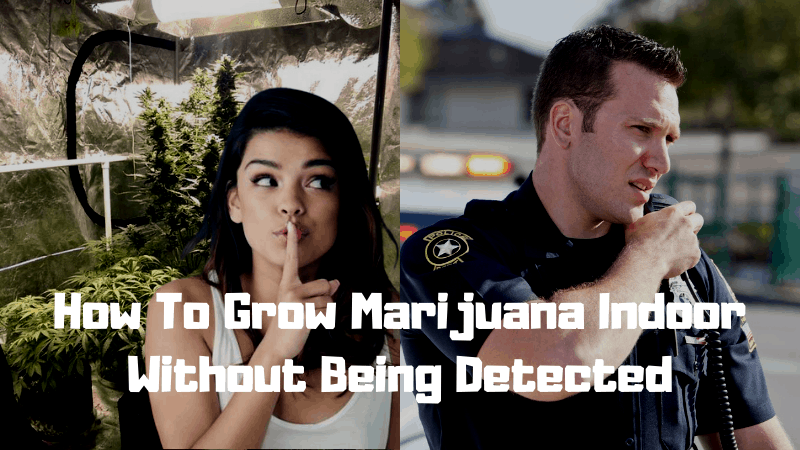
The legal landscape for cannabis cultivation is fragmented. Dozens of U.S. states permit home cultivation of a limited number of plants for personal use, yet federal law still classifies cannabis as a Schedule I substance. This jurisdictional conflict shapes how local law enforcement approaches suspected grow operations — and it determines which investigative tools are legally available without a warrant. Most investigations don't begin with a search warrant. They begin with a tip, an anomaly in utility records, or a routine observation that escalates through documented channels.
It's also worth understanding the baseline: cannabis cultivation, even where legal at the state level, is subject to strict plant count limits, zoning restrictions, and licensing requirements that vary significantly by municipality. Exceeding those thresholds — not the act of growing itself — is often what draws official attention in the first place.
Contents
How Law Enforcement First Identifies Potential Indoor Grow Operations
Suspicious Utility Consumption Patterns
Grow lights, ventilation systems, dehumidifiers, and climate control equipment combine to create a distinct electrical load profile. A household running a modest 4×4 grow tent with a 600-watt HID light, inline fans, and a carbon filter pulls significantly more power than neighboring homes with similar square footage. Utility companies flag these anomalies — not as evidence of illegal activity, but as consumption irregularities that can be subpoenaed during an investigation.
The data itself doesn't trigger a warrant. But it supports one. Investigators correlate elevated consumption with seasonal patterns, comparing a home's monthly usage against neighborhood baselines and against its own historical data. A consistent 40–60% spike sustained over 10 to 12 months tells a clearer story than any single high bill. This is patient, methodical investigative work — not a real-time monitoring system.
Pro Insight: Smart meters provide utility companies with granular, hour-by-hour consumption data — far more revealing than monthly totals. Grow cycles produce recognizable on/off patterns tied to fixed lighting schedules that stand out in the dataset.
Odor, Noise, and Neighbor Complaints
Cannabis in late flower produces a powerful, distinctive terpene profile. Even quality carbon filters reduce — not eliminate — odor. Neighbors, mail carriers, and utility workers regularly report unusual smells that initiate the investigative chain. The complaint doesn't have to be from a suspicious neighbor. A routine inspection, a contractor working in the home, or a guest can all generate the initial report that sets everything in motion.
- Odor complaints are the single most common trigger for grow operation investigations
- Carbon filter bypass during routine filter changes creates temporary but significant odor spikes
- Noise from fans running on fixed cycles becomes noticeable in quiet residential neighborhoods at night
- High-frequency supply deliveries — nutrients, media, equipment — can raise flags in some communities
- Light seepage from poorly sealed tent zippers or window frames during dark hours is a visible signal
Detection Technology: The Tools Authorities Deploy
Thermal Imaging and Heat Signatures
Thermal imaging cameras detect heat differential on exterior surfaces — walls, rooflines, and window frames. A properly insulated grow space minimizes external heat signatures, but many amateur setups lack adequate thermal barriers. High-intensity discharge lights and LED fixtures both generate substantial heat that, if not managed, radiates outward and becomes visible on infrared imaging from a public vantage point such as a street or adjacent property.
The landmark U.S. Supreme Court ruling in Kyllo v. United States (2001) established that using thermal imaging to detect heat signatures from inside a home without a warrant constitutes an unreasonable search under the Fourth Amendment. Law enforcement must obtain a warrant before using thermal imaging directed at a private residence. The ruling does not, however, prevent thermal observation from public property when scans do not specifically target interior spaces — a nuance that matters in practice.
Warning: Heat signatures visible on rooflines, attic vents, and exterior wall surfaces can be observed from public streets without requiring a warrant in many jurisdictions. Proper tent insulation is not optional — it is a baseline requirement for thermal discretion.
For growers assessing their specific heat exposure, understanding how grow light heat signatures work at different wattages is foundational — the fixture type and wattage directly determine the severity of the thermal footprint created.
Electrical Records and Smart Meter Data
Unlike thermal imaging, utility records are civil documents obtainable through subpoena without a warrant in most U.S. jurisdictions. Law enforcement routinely requests electrical consumption data for addresses under active investigation. Smart meters transmit hourly usage data that can reveal lighting cycles, equipment startup patterns, and total wattage consumed per day — enough to estimate the approximate scale of an indoor operation with reasonable accuracy. The timeline from complaint to subpoena to data analysis to probable cause affidavit can unfold in a matter of weeks.
Documented Detection Scenarios
Utility Data That Built the Case
In multiple documented cases across both legal and non-legal states, investigations began not with physical observation but with utility company cooperation. A residence in a standard suburban neighborhood showing three times the average consumption for its home size — with no registered business activity and no other explanation — generated an automatic anomaly flag. Investigators obtained records legally, confirmed the pattern over six months, and used that data to support a probable cause affidavit that ultimately led to a warranted search.
Consumption anomalies alone rarely justify a warrant, but they are powerful corroborating evidence when combined with odor complaints or visual observations. Law enforcement understands this structure and builds layered cases methodically. The investigative process is designed to be patient — because the evidence accumulates on its own.
Structural and Visual Evidence in Practice
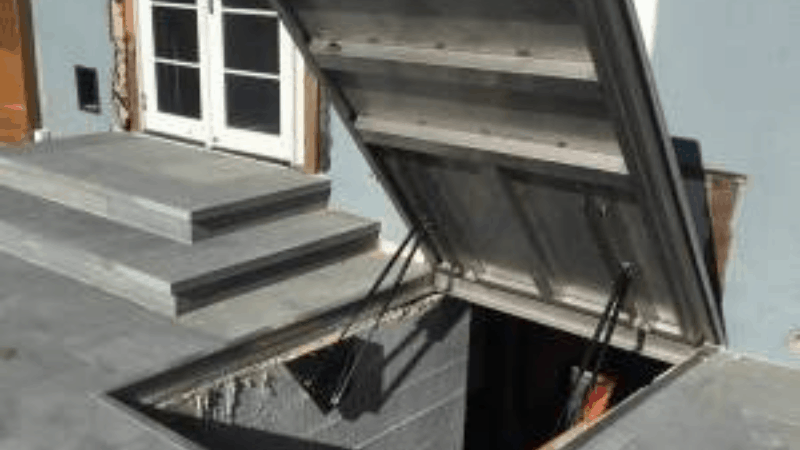
Officers observing a property from public vantage points — streets, sidewalks, or neighboring properties with permission — can legally document visible clues without triggering Fourth Amendment protections. These observations have appeared in probable cause affidavits with documented frequency:
- Blacked-out or heavily frosted windows in rooms with no clear residential function
- External ductwork or exhaust fans installed in unconventional wall or ceiling locations
- Excessive condensation accumulating on exterior glass surfaces during cold months
- PVC exhaust piping routed through exterior walls without visible HVAC purpose
- Consistent light seepage through sealed windows or door frames at unusual hours
- Dedicated electrical subpanels added without corresponding permitted renovation activity
Comparing Detection Methods: What Works and What Doesn't
Not all detection methods carry equal weight in an investigation. Some are admissible as primary evidence; others function only as supporting context. The following table summarizes the most commonly used approaches, their legal standing, and their practical reliability for detecting marijuana grow tent signs at a residential scale.
| Detection Method | Warrant Required? | Reliability | Role in Investigation |
|---|---|---|---|
| Utility consumption data | No (subpoena) | High | Supporting — builds pattern over time |
| Thermal imaging (residential) | Yes (Kyllo v. US) | High when permitted | Primary evidence (with warrant) |
| K-9 odor detection | Depends on location | Very high | Primary trigger for probable cause |
| Visual observation from public | No | Moderate | Supporting — requires corroboration |
| Neighbor complaints | No | Variable | Initial trigger — launches investigation |
| Mail and shipping records | Yes (contents) | Low–Moderate | Supporting evidence only |
| Public social media evidence | No | Moderate | Corroborating evidence |
Reliable Detection Indicators
Utility data combined with odor complaints represents the most common and legally robust investigation pathway. Both are obtainable without a warrant and together provide the foundation for a probable cause affidavit. K-9 units trained on cannabis odor are extraordinarily reliable — and their use in common areas like hallways of apartment buildings has been upheld in numerous court decisions across multiple jurisdictions. These two channels — smell and power consumption — account for the majority of residential grow operation discoveries.
Methods Frequently Overstated
Aerial surveillance is often cited in cannabis growing forums as a primary detection risk, but its practical application to small residential grow tents is limited. Law enforcement agencies rarely dedicate aircraft or drone resources to individual home investigations without significant prior probable cause already established. Similarly, electromagnetic field detection — sometimes discussed in grower communities as an active law enforcement tool — has no documented widespread use for small-scale residential cannabis detection. The realistic threat model is far more mundane: a smell that escapes and a power bill that spikes.
Common Errors That Expose Indoor Operations
Ventilation Failures and Odor Control
Inadequate carbon filtration is responsible for more detected operations than any other single factor. Growers frequently undersize carbon filters relative to tent volume and fan CFM capacity, resulting in unfiltered air escaping through exhaust points and into living spaces. Carbon filters have a finite lifespan — typically 12 to 18 months under continuous use — and performance degrades gradually. The decline is easy to miss internally until odor becomes externally detectable by neighbors or passersby.
Proper inline fan pairing is equally critical. A fan that exceeds the filter's rated CFM capacity pushes air through the carbon medium too quickly for adequate odor absorption. For growers building or upgrading their ventilation setup, reviewing purpose-built options covered in the guide to exhaust fans designed specifically for grow tents provides a reliable baseline for matching fan capacity to filter specifications without creating a bypass effect.
- Undersizing carbon filters relative to tent interior volume and fan output
- Using expired carbon media past 18 months of continuous operation
- Venting exhausted air into attic spaces or shared building ductwork
- Failing to seal grow tent zipper gaps during high-odor late-flower stages
- Skipping filter replacement because odor isn't yet noticeable indoors
Power Management Oversights
Running grow operations on unmodified residential circuits without calculating total load creates two compounding problems: electrical safety risks and a consumption signature that stands out in utility records. High-intensity discharge lighting, climate control, water pumps, and dehumidifiers running simultaneously on older wiring can trip breakers or produce visible evidence of electrical strain that landlords, inspectors, or electricians notice and report.
- Bypassing breaker panels or tampering with meters — both illegal and immediately detectable by utility technicians
- Running multiple high-draw appliances on the same circuit without calculating cumulative load
- Failing to account for climate control draw when estimating total power consumption footprint
- Adding dedicated subpanels without pulling the required electrical permits
Long-Term Practices That Reduce Detection Risk
Environmental Management Over Time
Detection risk is not static. It accumulates as grow operations mature, as equipment ages, and as neighbors grow more attuned to subtle environmental cues. The operations that continue longest without incident treat environmental management as an ongoing discipline — not a one-time setup task. Carbon filter replacement on a fixed schedule, regardless of whether odor is yet detectable, is one of the most effective single practices available. Thermal management through proper tent insulation and active climate control reduces external heat signatures that persist even when lighting is off.
Climate control equipment plays a dual role in long-term discretion: it maintains the temperature and humidity parameters that plant health demands while simultaneously reducing the heat differential that creates detectable exterior thermal signatures. These factors work together — better environment management produces both healthier plants and a smaller detection footprint.
Legal Compliance as the Primary Defense
In states where home cultivation is legal, compliance with plant count limits and licensing requirements is the single most effective long-term protection against prosecution. A grower investigated while operating within legal limits — with properly documented plants and no evidence of commercial distribution — faces a fundamentally different legal situation than one who exceeds those limits or operates across state lines. Law enforcement resources are finite; compliant home growers within legal thresholds are consistently low-priority targets.
Understanding the full scope of applicable regulations — municipal zoning ordinances, landlord and lease agreements, HOA rules, and state plant count ceilings — and operating strictly within all of them removes the primary legal exposure even if detection occurs. Legal cultivation, properly documented and correctly scaled, transforms the central question from "Can police detect it?" to "Does detection actually matter?"
Frequently Asked Questions
Can police use thermal imaging to detect a grow tent without a warrant?
Under the U.S. Supreme Court's ruling in Kyllo v. United States (2001), law enforcement cannot use thermal imaging directed specifically at a private residence without a warrant. However, observation of thermal anomalies visible from public vantage points — such as heat escaping through attic vents or exterior walls — occupies a more complex legal territory that varies by jurisdiction and case-specific circumstances.
What is the most common way police first detect indoor marijuana grow operations?
Neighbor complaints reporting unusual or persistent odors are the most common initiating factor. These complaints are typically followed by a utility data request — obtainable via subpoena without a warrant — to corroborate suspicious power consumption patterns. The combination of odor complaint plus utility anomaly forms the foundation of most probable cause affidavits.
Do smart meters allow police to monitor electricity use for grow operations?
Smart meters generate granular hourly consumption data that utility companies store for billing and operational purposes. Law enforcement can subpoena these records during an active investigation, revealing lighting cycle patterns and total daily consumption that indicate both the presence and approximate scale of an indoor operation.
How effective are carbon filters at preventing odor-based detection?
A properly sized and actively maintained carbon filter reduces cannabis odor substantially but does not eliminate it entirely. Filters operate effectively for roughly 12 to 18 months under continuous use before performance degrades. Undersized filters and expired carbon media are the most common causes of odor becoming externally detectable in documented cases.
Can a K-9 unit detect cannabis inside a sealed grow tent from outside a building?
Trained cannabis detection dogs are highly reliable and can detect odors emanating through walls, ventilation exhaust points, and gaps around door frames. Courts have consistently upheld K-9 deployment in common areas such as apartment hallways as permissible without a warrant, making odor the highest-risk detection channel for indoor operations in multi-unit buildings.
Does blacking out windows help prevent detection of an indoor growing operation?
Blacked-out windows reduce visible light signatures but can themselves attract attention as a behavioral anomaly in a residential setting — particularly when combined with other indicators. Window treatments that permit natural-looking light transmission during the day while blocking grow light during dark cycle hours present a more discreet profile than complete blackout approaches.
Are electromagnetic field detectors used by law enforcement to find grow operations?
Claims about widespread electromagnetic field detection as a law enforcement tool targeting residential cannabis operations are not supported by documented usage data. The primary detection methods in active use remain utility data analysis, odor complaints, and visual observation from public areas — not specialized electromagnetic surveillance equipment.
Does cultivating cannabis legally under state law eliminate all investigation risk?
Legal cultivation dramatically reduces the risk of prosecution even when detection occurs, but it does not eliminate all investigative risk. Exceeding permitted plant counts, violating local zoning restrictions, or any evidence suggesting commercial distribution scale can trigger enforcement action even in fully legal states. Compliance with every applicable regulation layer is the only complete protection.
Final Thoughts
Understanding how detecting marijuana grow tent signs actually works — through utility consumption anomalies, failed odor management, and observable structural evidence — gives any home cultivator the knowledge to operate responsibly within applicable law. The most effective long-term protection combines strict compliance with local plant limits, properly sized and maintained ventilation equipment, and continuous environmental management rather than one-time setup. Growers ready to build a discreet, efficient indoor operation should explore GardenSynthesis's comprehensive coverage of top-rated grow tents and supporting equipment to establish the right foundation from the start.


About Lee Safin
Lee Safin was born near Sacramento, California on a prune growing farm. His parents were immigrants from Russia who had fled the Bolshevik Revolution. They were determined to give their children a better life than they had known. Education was the key for Lee and his siblings, so they could make their own way in the world. Lee attended five universities, where he studied plant sciences and soil technologies. He also has many years of experience in the U.S. Department of Agriculture as a commercial fertilizer formulator.
Get FREE Gardening Gifts now. Or latest free toolsets from our best collections.
Disable Ad block to get all the secrets. Once done, hit any button below