Last spring, a neighbor of mine spent three weekends on her knees pulling dandelions — only to watch them come back in full force two weeks later. She was exhausted and ready to give up on her lawn entirely. If that sounds familiar, this guide on how to get rid of weeds forever will give you a real, layered plan that breaks the cycle for good. For more hands-on growing advice, visit our gardening tips collection.
The hard truth is that weeds are survivors. A single dandelion produces up to 15,000 seeds. Bindweed roots push 20 feet deep. Pulling them by hand a couple of times a season keeps you busy but doesn't solve anything. Permanent weed control means layering strategies — prevention, physical barriers, and targeted treatments — so weeds never get the foothold they need in the first place.
This guide walks you through four proven methods, the tools that make the job manageable, a side-by-side comparison, and an honest cost breakdown. Whether you're tackling your first garden bed or wrestling with a long-neglected yard, there's a strategy here that fits your situation.
Contents
A Permanent Plan for Getting Rid of Weeds Forever
Complete eradication isn't realistic — but getting weeds down to near-zero absolutely is. The gardeners who stay ahead of weeds aren't working harder. They've just switched from reactive pulling to proactive, layered prevention. Here's how that looks in practice.
Stop Seeds Before They Germinate
The most powerful rule in weed management is simple: never let a weed go to seed. One plant that flowers before you pull it can release thousands of seeds that stay viable in the soil for years. Make it a habit to pull weeds before they flower, every single time.
Beyond hand-removal, pre-emergent herbicides create a chemical barrier in the top layer of soil that prevents seeds from sprouting. Apply in early spring before soil temperatures reach 55°F, then repeat in early fall to catch the cool-season weed flush. This one step alone dramatically reduces the number of weeds you'll face.
Mulch is equally important. A 2–3 inch layer of organic mulch — wood chips, straw, or shredded leaves — blocks sunlight from the soil surface and cuts off the germination window for most common weed species. Reapply each season as it breaks down into the soil.
Soil Solarization for Stubborn Patches
For beds overrun with persistent weeds like bindweed, nutgrass, or quackgrass, soil solarization is one of the most effective long-term fixes available. It uses trapped heat to kill weed seeds in the top few inches of soil. Here's how to do it:
- Clear existing weeds and debris from the area
- Water the soil thoroughly until moist 12 inches deep
- Cover with clear 4–6 mil plastic sheeting
- Seal the edges with soil or heavy rocks to hold heat in
- Leave in place for 4–8 weeks during the hottest stretch of summer
According to the USDA Agricultural Marketing Service, solarization can reduce weed seed viability by up to 90% in treated soil. It's low-cost, chemical-free, and highly effective on both annual and perennial weeds.
Let Ground Cover Plants Do the Work
Dense ground cover is a natural, self-sustaining weed barrier. Plants like creeping thyme, clover, pachysandra, and mondo grass fill gaps where weeds would otherwise take hold. Once established, they crowd out new weeds passively — no spraying, no pulling, no mulch to reapply. This strategy works best along borders, under trees, and on slopes where mulch doesn't stay in place.
The Right Tools for Long-Term Weed Control
You don't need a garage full of gear. Having the right tools in hand makes weed control faster, less exhausting, and more effective — especially when it comes to deep-rooted perennial weeds that snap off if you pull them the wrong way.
Essential Hand Tools
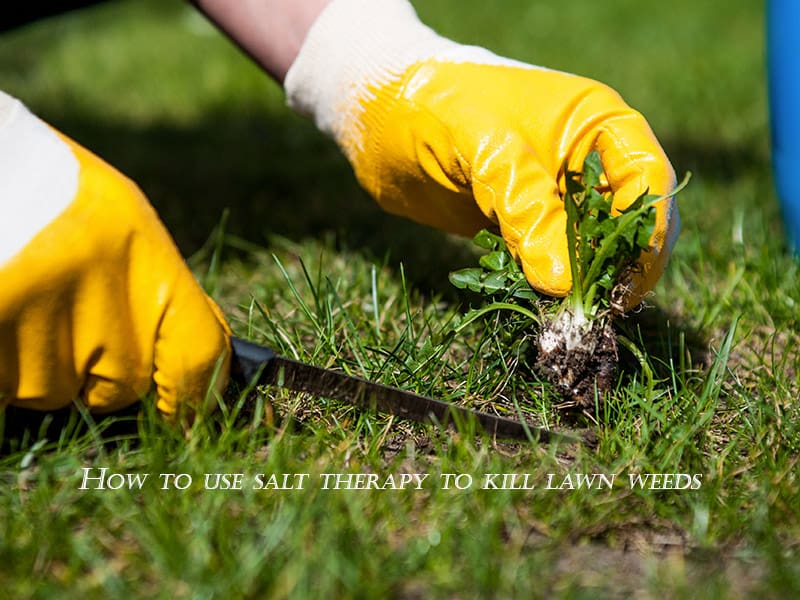
- Hori hori knife — a Japanese soil knife with a serrated edge; perfect for digging out taprooted weeds like dandelions and dock without snapping the root
- Stand-up weed puller — grips and extracts the full root without bending; ideal for lawns and open beds
- Cape Cod weeder — a small hook-blade tool that slices shallow roots just below soil level; fast for edging and tight row spaces
- Crack weeder — a thin, angled blade that slides into pavement gaps to clean up driveways and patios without chemicals
Mechanical and Chemical Options
For larger areas, a wheel hoe cuts weed seedlings at soil level in a single pass — covering 1,000 square feet in minutes. Flame weeders (propane torch tools) work well on gravel paths and sidewalk cracks; they don't kill roots on the first pass, but repeated applications wear perennial weeds down significantly.
For chemical control, a pump sprayer with a cone shield attachment lets you target individual weeds precisely without overspray onto nearby plants. Choosing the right product is just as important as applying it correctly — read our breakdown of how herbicides kill weeds but not grass to understand which products are safe near your lawn.
Beginner Methods vs. Advanced Techniques
Your starting point matters. These approaches are split by experience level so you can build up your toolkit over time without overcomplicating things early on.
If You're Just Starting Out
These three methods need no experience and minimal cost:
- Hand-pulling after rain — wet soil releases roots cleanly. Grip close to the base and pull slowly. Don't yank.
- Newspaper mulching — lay 5–6 sheets of newspaper over weeds, then cover with 2 inches of mulch. It smothers existing weeds and breaks down into the soil over one season.
- Boiling water — pour directly onto weeds in pavement cracks or gravel. Kills on contact with no chemicals. Best for isolated spots, not near garden plants.
One thing beginners often get wrong: assuming all weed killers work the same way. Contact killers only burn top growth, while systemic products travel down to the root — picking the wrong one means weeds regrow from the base within weeks. Know what you're buying before you spray.
When You're Ready to Go Deeper
Once the basics are handled, these techniques deliver superior long-term results:
- Scheduled pre-emergent applications — twice yearly, spring and fall, timed to soil temperature rather than calendar date
- Landscape fabric under mulch — a woven physical barrier that lasts 5–10 years; best in shrub beds, not vegetable gardens where regular digging disrupts it
- Targeted systemic herbicides — glyphosate for broadleaf weeds and annual grasses; triclopyr for woody brush; for persistent perennials like nettles, see our guide on killing nettles permanently
- Regular hard edging — a steel border between lawn and bed stops creeping weeds cold; maintain every 4–6 weeks during the growing season
Weed Control Methods Compared Side by Side
Use this table to quickly match a method to your situation. The right choice depends on your weed type, how much time you have, and what you're willing to spend.
| Method | Difficulty | Avg. Cost | Effectiveness | Best For |
|---|---|---|---|---|
| Hand-pulling | Easy | Free | Good (short-term) | Spot removal, small beds |
| Mulching | Easy | $30–60/yd³ | Very good | All garden beds |
| Soil solarization | Moderate | $15–25 | Excellent | Overrun bare areas |
| Pre-emergent herbicide | Easy | $20–50/bag | Excellent (prevention) | Lawns and large beds |
| Systemic herbicide | Moderate | $15–35/bottle | Excellent (perennials) | Deep-rooted stubborn weeds |
| Ground cover planting | Moderate | $20–80 | Very good (long-term) | Borders, slopes, shaded areas |
What Permanent Weed Control Actually Costs
Weed control doesn't have to be expensive. But understanding the real numbers up front helps you budget and avoid spending money on products that aren't suited to your situation.
Low-Cost Options
- Newspaper mulching: essentially free if you save old papers — one of the most overlooked techniques in gardening
- Hand tools: $15–40 for a quality hori hori knife or stand-up weed puller; tools that last a decade with basic care
- Boiling water or white vinegar spray: under $5, effective for driveways and patios where chemical runoff isn't a concern
Mid-Range Investments
- Organic mulch (wood chips): $30–60 per cubic yard delivered; covers roughly 100 sq ft at a 3-inch depth
- Pre-emergent herbicide: $20–50 per bag, covering 5,000–10,000 sq ft per application
- Clear plastic sheeting for solarization: $15–25 for a 10×10 ft roll — reusable for multiple seasons
Long-Term and Professional Costs
Hiring a weed control service runs $50–150 per visit. If you manage a 500 sq ft bed yourself with mulch and one pre-emergent application per season, your annual cost is roughly $80–120. Over five years, that's $400–600 total — compared to $500–900 for professional service in year one alone.
The most cost-effective long-term strategy: front-load with solarization or deep mulching to eliminate what's already there, then maintain with annual pre-emergent applications and fresh mulch each spring. The ongoing cost drops dramatically once you've broken the initial weed cycle.
Frequently Asked Questions
What is the most effective way to get rid of weeds forever?
No single method works alone. The most effective approach combines pre-emergent herbicide applications in spring and fall (to stop seeds from germinating), a 2–3 inch mulch layer (to block light from seeds already in the soil), and prompt removal of any weeds that break through before they can set seed. Layering these three strategies delivers near-permanent results.
Does vinegar permanently kill weeds?
Household white vinegar (5% acidity) kills top growth on contact but does not reach the roots, so perennial weeds regrow quickly. Horticultural vinegar at 20–30% acidity is far more effective but can damage soil biology and nearby plants. For permanent control of deep-rooted weeds, a systemic herbicide or solarization is a more reliable choice.
How long does soil solarization take to work?
Solarization requires 4–8 weeks of continuous coverage during the hottest part of summer. In climates with consistent temperatures above 90°F, 4 weeks is often enough. In cooler or cloudy regions, the full 8 weeks is necessary to achieve meaningful seed kill depth. Clear plastic works better than black plastic because it raises soil temperatures higher.
Is landscape fabric worth it for weed control?
Landscape fabric works well under mulch in shrub borders and ornamental beds where you don't dig regularly. It lasts 5–10 years and stops the majority of weed growth. However, it's not ideal for vegetable gardens — frequent planting and harvesting tears it apart, and organic matter building up on top of the fabric can actually become a germination medium for weeds over time.
What kills weeds permanently without harming grass?
Selective herbicides like those containing 2,4-D, MCPP, or dicamba target broadleaf weeds while leaving grass unharmed. Pre-emergent herbicides with prodiamine or dithiopyr prevent weed seeds from germinating without affecting established turf. For natural options, hand-pulling and corn gluten meal (a natural pre-emergent) are safe for lawns but require consistent application.
How often should I apply pre-emergent herbicide?
Apply twice per year for best results: once in early spring when soil temperatures approach 50–55°F (before crabgrass and summer annual weeds germinate), and once in early fall to prevent cool-season weeds like chickweed and annual bluegrass. A soil thermometer takes the guesswork out of timing and gives you far better results than relying on calendar dates alone.
Final Thoughts
Knowing how to get rid of weeds forever comes down to one shift in thinking: stop treating it as a one-time cleanup and start treating it as a system. Pick one method from this guide — mulching, solarization, or a pre-emergent application — and put it in place before the next growing season begins. Start with a single bed, see the difference it makes, then build from there. A weed-free garden is genuinely achievable, and you don't need to do it all at once.


About Lee Safin
Lee Safin was born near Sacramento, California on a prune growing farm. His parents were immigrants from Russia who had fled the Bolshevik Revolution. They were determined to give their children a better life than they had known. Education was the key for Lee and his siblings, so they could make their own way in the world. Lee attended five universities, where he studied plant sciences and soil technologies. He also has many years of experience in the U.S. Department of Agriculture as a commercial fertilizer formulator.
Get FREE Gardening Gifts now. Or latest free toolsets from our best collections.
Disable Ad block to get all the secrets. Once done, hit any button below