Can you really grow tomatoes indoors with lights and end up with fruit worth eating? Yes — and it's far more achievable than most people expect. You don't need a backyard, a greenhouse, or even a south-facing window. With the right grow light setup and a clear plan, you can harvest fresh tomatoes in any room of your house. Explore our gardening tips section for more guides like this one. This post walks you through all 17 steps — from picking your seeds to pulling your first ripe tomato off the vine.
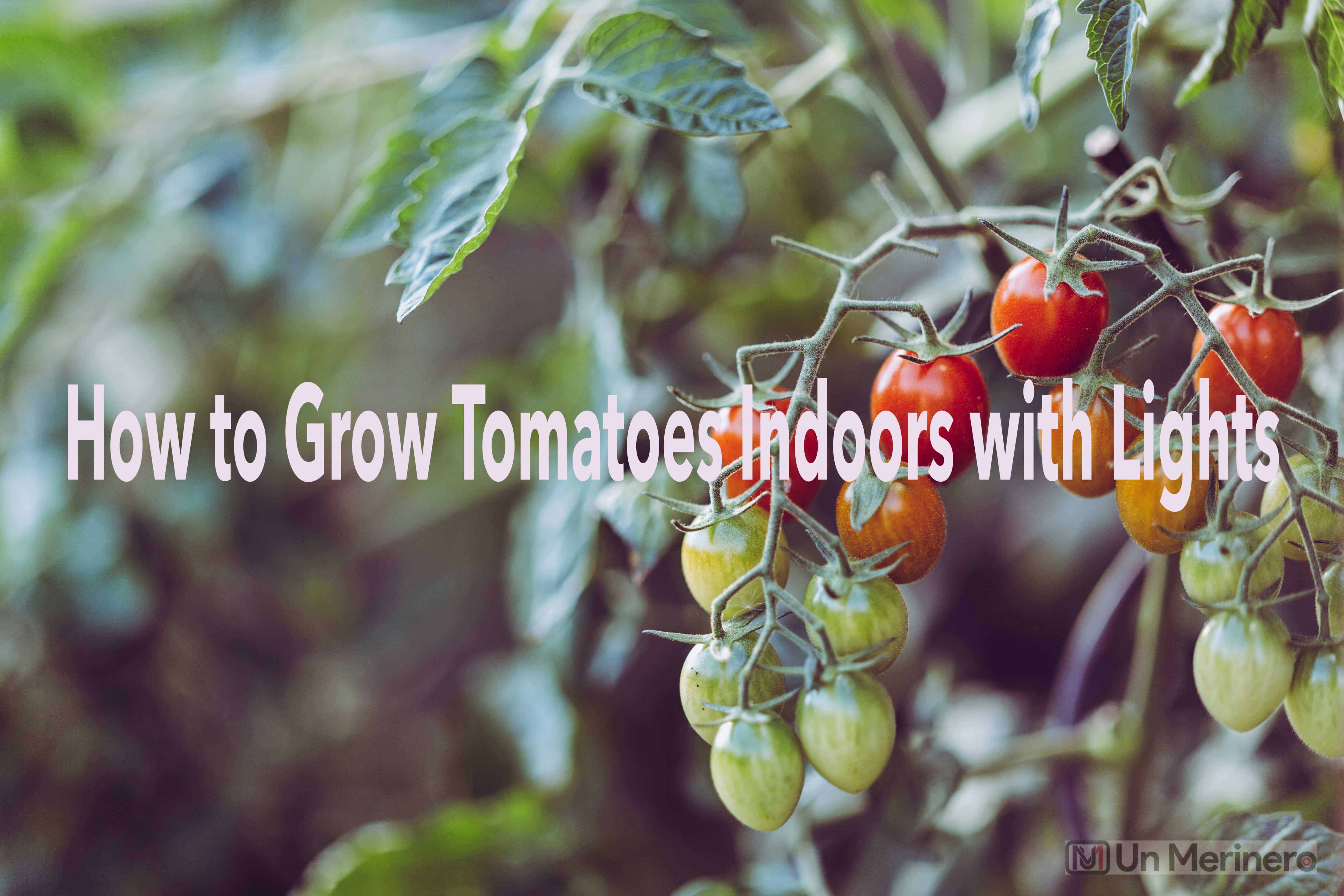
Modern LED grow lights have changed what's possible at home. They deliver the exact light spectrum tomatoes need to flower and set fruit. Costs have dropped dramatically. A productive indoor tomato station in a closet, basement, or spare corner is within reach for most home gardeners on a regular budget.
If you want to go deeper on bulb types and light spectrums, the guide on growing tomatoes with artificial light is a great companion read. This post focuses on the hands-on process — what to do, when to do it, and how to sidestep the most common mistakes.
Contents
When to Start Growing Tomatoes Indoors With Lights (And When to Hold Off)
Timing still matters — even indoors. You're not at the mercy of seasons, but there are better and worse moments to begin. Getting your setup right before you sow your first seed saves you a lot of frustration later.
Steps 1–4: The Best Conditions to Begin
Start when these four things are in place:
- Step 1 — Choose a compact tomato variety. Determinate varieties (ones that stop growing at a fixed height) work best indoors. Good picks include Tiny Tim, Tumbling Tom, Bush Early Girl, and Patio. Avoid large indeterminate varieties like Beefsteak — they'll outgrow your space fast.
- Step 2 — Pick the right container. Use at least a 5-gallon pot for most varieties. Cherry tomatoes can manage in 3-gallon containers. Every pot needs drainage holes at the bottom. No exceptions.
- Step 3 — Fill with a quality potting mix. Never use garden soil indoors. It compacts under regular watering and suffocates roots. Use a well-draining potting mix with perlite (a lightweight volcanic mineral that improves drainage). This keeps roots oxygenated.
- Step 4 — Start your seeds correctly. Sow seeds ¼ inch deep in moist seed-starting mix. Keep them at 70–80°F (21–27°C). They'll germinate in 5–10 days. For a creative low-cost method, try growing tomato seeds in egg cartons — it's beginner-friendly and cuts down on waste.
When You Should Wait
Some situations call for a pause before you start. Hold off if any of these apply to you:
- Your space can't hold a steady temperature between 65–80°F (18–27°C). Tomatoes stall below 60°F and suffer above 90°F.
- Your grow light setup isn't sorted out yet. Starting seeds without a light plan produces weak, leggy seedlings that rarely recover well.
- You'll be away or unavailable for the first few weeks. Seedlings need daily attention — watering checks, light adjustments, and watching for problems.
- Your space has consistently high humidity above 80%. This invites mold and fungal disease before your plants even get established. Understanding how to control humidity in a grow tent or enclosed space is worth doing first.
Starting a week or two late is always better than starting into a setup that isn't ready.
Step-by-Step Care for Your Indoor Tomato Plants
Once your seeds sprout, consistent care becomes your most important job. Here's what to do at each stage.
Steps 5–9: Lights, Temperature, and Humidity
- Step 5 — Hang your grow lights at the correct height. Start with lights 2–4 inches above seedlings. Raise them to 12–18 inches as plants grow taller. Too close burns leaf tips. Too far causes stretching and weak stems.
- Step 6 — Provide 14–16 hours of light per day. Tomatoes are heavy light consumers. Use a plug-in timer. Consistency matters more than intensity — running your light on a reliable schedule outperforms an irregular one at higher power.
- Step 7 — Maintain daytime temperatures of 65–75°F (18–24°C). Drop 5–10 degrees at night. This daily temperature swing encourages more flower production.
- Step 8 — Target 50–70% relative humidity. Drop below 40% and flowers dry out before they can set fruit. Go above 80% and you invite fungal issues like gray mold and powdery mildew.
- Step 9 — Add a small fan for air circulation. A desk fan on low, positioned nearby, strengthens stems and reduces disease pressure. It also helps with pollination.
Steps 10–13: Watering, Feeding, and Pollinating
- Step 10 — Water when the top inch of soil feels dry. Press your finger into the soil. If it's dry an inch down, water thoroughly until it drains from the bottom. Empty saucers after 30 minutes — sitting water causes root rot.
- Step 11 — Feed on a regular schedule. Use a balanced liquid fertilizer every 1–2 weeks. During early vegetative growth, choose one higher in nitrogen (N). Once flowers appear, switch to a formula higher in phosphorus (P) and potassium (K) — an NPK like 5-10-10 works well at this stage.
- Step 12 — Hand-pollinate your flowers. There are no bees indoors. Shake the plant gently each day when flowers are open. Or use a soft paintbrush or the tip of an electric toothbrush to vibrate each flower cluster. This mimics wind and insect movement. It makes a major difference in how many fruits set.
- Step 13 — Catch overwatering early. Yellow lower leaves, constantly soggy soil, and wilting despite wet conditions all point to overwatering. Let soil dry out more between sessions and check that drainage is working.
Steps 14–17: Pruning, Support, and Harvest
- Step 14 — Remove suckers on indeterminate varieties. Suckers are small shoots growing in the crotch between the main stem and a branch. Pinch them off when they're small — about pencil-thickness. Left alone, they pull energy away from fruit.
- Step 15 — Stake or cage your plants before they need it. Install support when plants are 6–8 inches tall. Don't wait until they're flopping. Tie stems loosely with soft plant ties or strips of fabric — never wire or string that cuts into the stem.
- Step 16 — Remove lower leaves as the plant grows. Strip off leaves that touch the soil or are yellowing. This improves airflow around the base and reduces the chance of soil-borne disease splashing up onto leaves.
- Step 17 — Harvest at full color. Don't rush. A tomato picked early loses flavor. Wait until it gives slightly under gentle finger pressure and has reached its full color. That's when sugars are at their peak.
Real Indoor Tomato Setups That Actually Work
What does a working indoor tomato setup actually look like? Here are realistic examples — not ideal lab conditions, but practical scenarios most home growers actually deal with.
Common Home Setups
- Closet grow: A standard 2×4 ft closet fits two 5-gallon pots under a single 200W LED panel. Expect 1–3 lbs of cherry tomatoes per plant per cycle with good care.
- Wire shelf setup: A freestanding wire shelving unit with a grow light clipped to each shelf lets you run seedlings and mature plants at different growth stages simultaneously. Space-efficient and easy to scale.
- Windowsill plus supplemental light: A south-facing window plus a small LED strip to boost light hours is the lowest-cost entry point. Results are more modest but entirely possible with compact varieties.
- Dedicated grow tent: A 2×2 or 2×4 grow tent gives you complete control over light, humidity, and temperature. It's more of an investment but removes almost all the guesswork.
Grow Light Comparison Table
Choosing the right light type affects your electric bill, your heat management, and your results. Here's how the main options compare:
| Light Type | Best For | Energy Use | Heat Output | Estimated Cost |
|---|---|---|---|---|
| Full-Spectrum LED | Full cycle — seedling to harvest | Low | Low | $30–$150+ |
| Fluorescent (T5/T8) | Seedlings and young transplants | Medium | Low | $20–$60 |
| HID (HPS/MH) | Large setups, higher yields | High | Very High | $80–$300+ |
| Incandescent | Not recommended for plant growth | Very High | Very High | $5–$15 |
For most home growers, a full-spectrum LED panel is the right call. It covers the blue range (for leafy vegetative growth) and the red range (for flowering and fruiting) that tomatoes need across their whole lifecycle. According to the Wikipedia article on grow lights, LED technology has largely displaced older HID systems for home use because of efficiency and heat management advantages.
Common Myths About Growing Tomatoes Indoors With Lights
A few stubborn myths keep people from trying this at all. Here's what the evidence actually shows.
Myth: You Need Expensive Equipment
This isn't true. You can start with a $30–$50 LED panel, a 5-gallon bucket, and a bag of potting mix. Many consistent growers use gear sourced entirely from hardware stores and online marketplaces. What produces results isn't spending more — it's getting light duration, watering, and temperature right. Those variables cost attention, not money.
Myth: Indoor Tomatoes Never Taste as Good
This one is more nuanced. Flavor in tomatoes depends heavily on the variety and how long you let them ripen on the vine. A cherry tomato ripened fully indoors often outperforms a store-bought tomato picked green and gassed to ripen in transit. Choose a variety bred for flavor — Sungold, Sweet Million, or Black Cherry are popular choices — and let it ripen completely. Many growers are genuinely surprised by the results.
Myth: It's Too Complicated for Beginners
There's a real learning curve in the first cycle. Most beginners make their key mistakes early and improve quickly in subsequent rounds. The 17 steps above cover every decision point. Start with two plants maximum. A small setup gives you fast feedback. You'll adjust, improve, and build confidence much faster than you expect. Complexity grows with scale — not with the task itself.
Frequently Asked Questions
What type of grow light works best for tomatoes indoors?
A full-spectrum LED grow light is the best choice for most home growers. It covers both the blue spectrum needed for vegetative growth and the red spectrum needed for flowering and fruiting. It also runs cool and uses less electricity than HID options. Look for panels rated between 150W and 300W for a small to medium setup.
How many hours of light do indoor tomato plants need each day?
Tomatoes need 14–16 hours of light per day to grow and produce fruit indoors. Use a plug-in outlet timer to automate this. Consistency matters — plants do better on a stable schedule than on irregular hours, even at higher intensity. Give them 8–10 hours of darkness each night to support healthy development.
Can tomatoes grow entirely without natural sunlight?
Yes. Tomatoes can complete their full lifecycle — from seed to fruit — under artificial grow lights alone with no natural sunlight at all. The key is providing the right spectrum, the right duration (14–16 hours daily), and the right intensity for the stage of growth. Millions of commercial growers do this at scale in controlled indoor environments.
How long does it take to grow tomatoes indoors from seed to harvest?
Expect 60–90 days from germination to first harvest, depending on the variety. Cherry tomatoes tend to be on the faster end. Larger varieties take longer. Germination takes 5–10 days. Transplanting happens around weeks 3–4. First flowers appear around weeks 6–8. Fruit sets and ripens over the following 3–5 weeks.
Do indoor tomato plants need to be pollinated by hand?
Yes. There are no bees or wind indoors to do it naturally. Hand-pollination is one of the most important steps for fruit set. Shake the plant gently each day when flowers are open, or use a soft paintbrush or electric toothbrush to vibrate each flower cluster. Do this daily during the flowering period for best results.
What is the best tomato variety for growing indoors under lights?
Compact, determinate varieties perform best. Good beginner choices include Tiny Tim, Tumbling Tom, Patio, and Bush Early Girl. For flavor, Sungold and Sweet Million cherry tomatoes are popular picks. Avoid large indeterminate varieties like Beefsteak or Big Boy — they grow too tall and spread too wide for most indoor spaces.
How often should I water my indoor tomato plants?
Water when the top inch of soil feels dry to the touch. In most indoor conditions, this means every 2–3 days — but check daily rather than following a fixed schedule. Factors like pot size, humidity, and temperature all affect how fast soil dries. Always water until it drains freely from the bottom and never let pots sit in standing water.
Why are my indoor tomato plants flowering but not producing fruit?
The most common cause is failed pollination. Without bees or wind, pollen doesn't move between flowers on its own. Start hand-pollinating daily during the flowering period. Other causes include temperatures that are too high or too low (outside the 65–80°F range), low humidity drying out flowers, or a fertilizer too high in nitrogen — which pushes leaf growth at the expense of fruit.
You don't need the sun's permission — just the right light, a little consistency, and the willingness to start with two plants and see what happens.


About Lee Safin
Lee Safin was born near Sacramento, California on a prune growing farm. His parents were immigrants from Russia who had fled the Bolshevik Revolution. They were determined to give their children a better life than they had known. Education was the key for Lee and his siblings, so they could make their own way in the world. Lee attended five universities, where he studied plant sciences and soil technologies. He also has many years of experience in the U.S. Department of Agriculture as a commercial fertilizer formulator.
Get FREE Gardening Gifts now. Or latest free toolsets from our best collections.
Disable Ad block to get all the secrets. Once done, hit any button below