The first Saturday of spring, I rolled the Poulan out of storage, pressed the primer three times, and pulled the cord hard. Dead silence. That exact frustration is why knowing how to start a Poulan lawn mower the right way makes all the difference. The XT675 has a specific start sequence, and one skipped step means 20 minutes of troubleshooting instead of mowing. Follow this guide and you'll have it running on the first or second pull every time. For more hands-on yard maintenance guides, visit our gardening tips section.

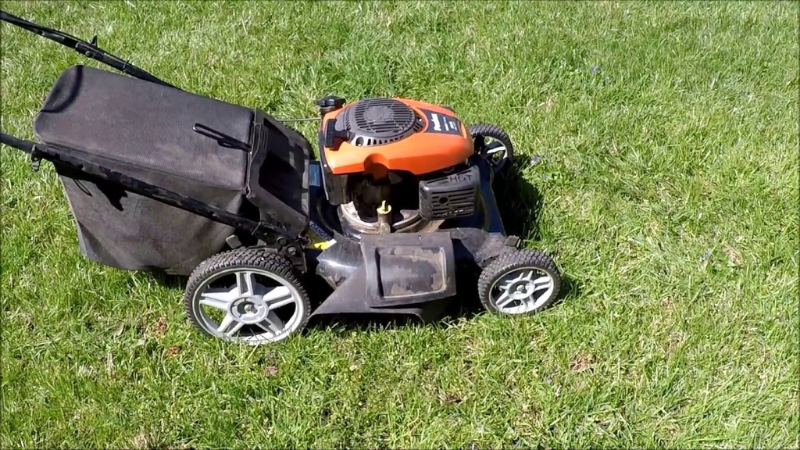
The Poulan XT675 is powered by a Briggs & Stratton 675 series engine. It's a self-propelled, walk-behind mower built for residential lots up to half an acre. Like every gas mower, it uses a recoil pull-cord ignition system. Your technique — choke position, primer presses, safety bar engagement — decides whether it fires or just cranks uselessly.
This guide covers the complete cold and warm start procedure, explains what the choke and primer actually do, walks through the most common starting failures, and gives you a long-term maintenance routine that keeps every start fast and clean.
Contents
- How to Start Your Poulan Lawn Mower XT675: The Complete Process
- Cold Start vs. Warm Start — Key Differences
- Choke, Primer, and Self-Propel: When Each One Matters
- Mistakes That Keep Your Poulan From Starting
- What Repairs Actually Cost (and How to Avoid Them)
- Pro Tips for Faster, Easier Starts
- Long-Term Habits That Keep Your Poulan Starting Strong
- Frequently Asked Questions
- Key Takeaways
How to Start Your Poulan Lawn Mower XT675: The Complete Process
Pre-Start Safety and Setup
Before you touch the pull cord, run through this checklist. Skipping these steps causes most starting failures — and a few genuine hazards. The lawn mower safety guidelines documented on Wikipedia outline how mechanical failures and operator error account for the majority of mower-related injuries.
- Fuel level: Fill with fresh, 87-octane unleaded gasoline. Never use E85, fuel blends above 10% ethanol, or gas that's been sitting for more than 30 days.
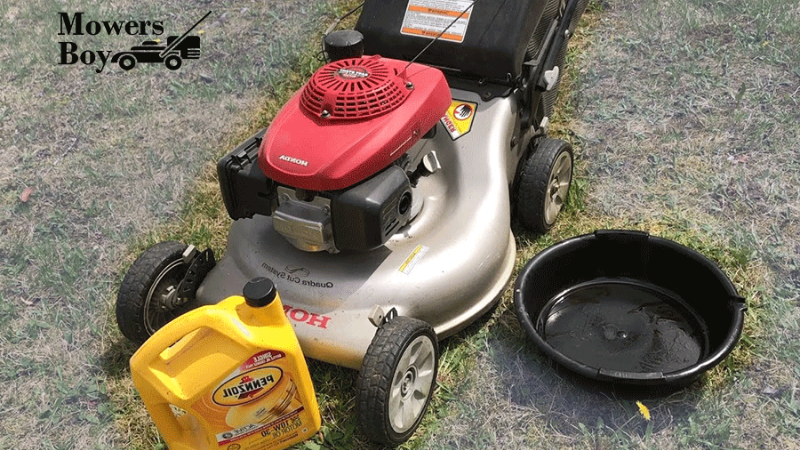
- Oil level: Pull the dipstick, wipe it clean, reinsert fully, and check. The XT675 uses SAE 30 motor oil. Running low on oil activates the low-oil sensor and prevents the engine from starting.
- Clear the cutting path: Remove sticks, rocks, and debris before you start the engine.
- Blade engagement lever: Confirm it's in the disengaged position.
- Drive control lever: Set to neutral before starting.
Cold Start Step-by-Step
A cold start applies any time the engine is at ambient temperature — first start of the day or after sitting for several hours. Use this exact procedure:
- Set the choke lever to FULL CHOKE (closed position, often marked with a turtle icon or a solid horizontal bar).
- Press the primer bulb firmly 3 times. Each press should be full and deliberate. You should see fuel moving through the clear fuel line.
- Grip the safety bar (bail arm) firmly against the handle. The engine will not start if this is released — it cuts the ignition circuit.
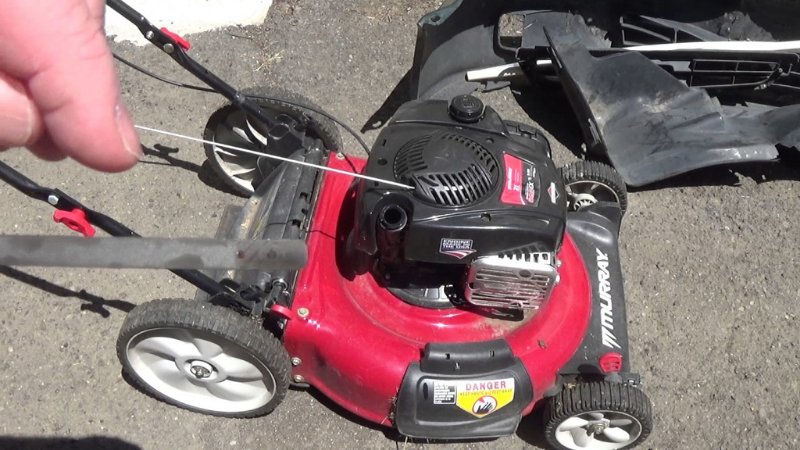
- Grasp the pull cord handle and pull briskly and fully. A slow, tentative stroke doesn't generate enough compression to fire the cylinder.
- After the engine sputters or briefly catches, move the choke to HALF CHOKE. Pull once more if needed.
- Once the engine runs steadily, push the choke lever to OPEN (RUN) within 30 seconds.
- Let the engine idle and warm up for 60 seconds before engaging the blade or self-propel.
Warm Start Shortcut
If the engine is already warm — you paused to move debris, refueled, or took a short break — the procedure is much simpler:
- Leave the choke in OPEN (RUN) position. A warm engine doesn't need a rich mixture to ignite.
- Skip the primer entirely. One press is acceptable if the mower sat for more than 10 minutes.
- Grip the safety bar and pull the cord with one firm, fast stroke.
A warm engine that still won't fire without choke almost always has a dirty air filter or a fuel delivery restriction in the carburetor.
Cold Start vs. Warm Start — Key Differences
Use this table as a quick reference until the steps become second nature.
| Step | Cold Start | Warm Start |
|---|---|---|
| Choke position | Full choke → half choke → open | Open (RUN) from the start |
| Primer presses | 3 firm, full presses | 0 (or 1 if sat 10+ min) |
| Expected pull count | 1–3 pulls | 1 pull |
| Warm-up idle time | 60 seconds before blade engagement | None needed |
| Flooding risk | High if over-primed | Very low |
| When it applies | First start of the day or after hours of rest | Brief pause mid-session |
Choke, Primer, and Self-Propel: When Each One Matters
Using the Choke Correctly
The choke restricts air intake to create a fuel-rich mixture. A cold engine needs that extra fuel to ignite reliably. Here's how to manage the three choke positions:
- Full choke: Always start here when the engine is cold.
- Half choke: Transition here immediately after the first sputter or catch.
- Open (RUN): Move here within 30 seconds of sustained running.
- Leaving the choke closed too long causes the engine to run rich, produce black smoke, and stall.
Pro tip: If your engine catches for 2–3 seconds then dies, move to half choke the instant it first fires — don't wait for it to stabilize fully before making the switch.
How Many Times to Press the Primer
The primer bulb pushes raw fuel into the carburetor bowl, giving the engine something to ignite on the first pull. Three presses is the correct number for the XT675. Here's why the count matters:
- Under-priming (1 press): Not enough fuel in the bowl; engine cranks but won't fire.
- Correct (3 presses): Carburetor bowl loaded; engine starts in 1–3 pulls.
- Over-priming (5+ presses): Floods the carburetor; engine won't start until you clear it manually.
If your primer bulb is cracked, split, or completely missing, the standard cold start sequence won't work. Read our step-by-step guide on how to start a lawn mower without a primer bulb to handle that situation without waiting for a replacement part.
Engaging Self-Propel on the XT675
The XT675's self-propel is a drive-control system, not a cruise-control system. Once the engine is warm and running:
- Squeeze the lower drive bail on the handle to engage forward motion.
- Release the bail to stop forward movement without shutting off the engine.
- Never engage self-propel before the engine has warmed for 60 seconds. The drive belt needs operating temperature to seat and grip properly.
- On slopes, disengage self-propel and push manually — the belt clutch isn't designed for extended heavy-load use on inclines.
Mistakes That Keep Your Poulan From Starting
Over-Priming the Carburetor
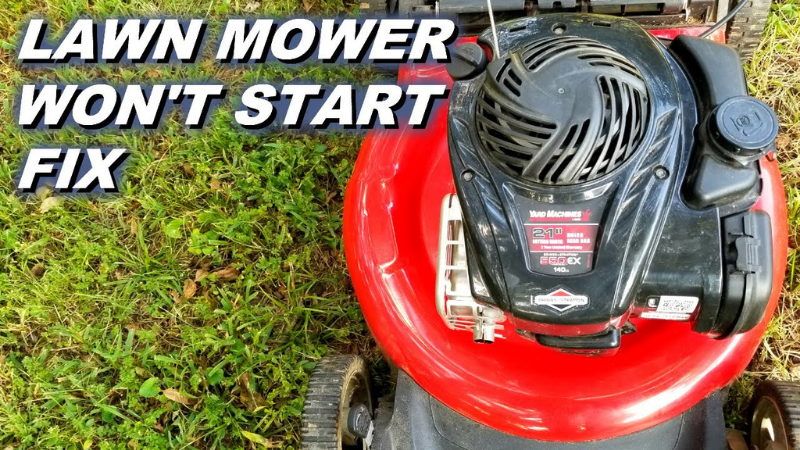
This is the single most common reason the XT675 won't start. Pressing the primer 5 or more times floods the carburetor with raw fuel. The spark plug can't ignite a flooded cylinder.
To clear a flooded engine:
- Move the choke to OPEN (RUN) — no choke during this process.
- Do not press the primer again.
- Hold the safety bar and pull the cord 6–8 times steadily. This pushes excess fuel out of the cylinder.
- Wait 5 minutes for remaining fuel to evaporate.
- Attempt a normal cold start sequence.
Ignoring the Safety Bar
The safety bar (bail arm) on the handle connects directly to the engine's kill switch. If you don't hold it firmly against the handle, the ignition circuit stays open and the engine cannot start — period. First-time users hit this constantly. Hold it down before you pull, not after you start pulling.
Running on Stale or Low Fuel
Gasoline degrades in as little as 30 days without a stabilizer. Ethanol-blended fuels absorb moisture, separate, and leave a varnish residue inside the carburetor that restricts fuel flow. Low oil triggers the low-oil protection sensor and prevents ignition entirely.
- Always drain or stabilize fuel before storing the mower for more than 30 days.
- Use fresh 87-octane fuel every season — never reuse last season's gas.
- Check oil every time you check fuel. The dipstick check takes 30 seconds and prevents catastrophic engine damage.
What Repairs Actually Cost (and How to Avoid Them)
Common Repair Cost Breakdown
Most Poulan XT675 no-start problems trace back to a short list of worn or fouled components. Here's what you can expect to pay for each fix, whether you do it yourself or take it to a small engine shop.
| Component | DIY Part Cost | Shop Labor + Part | Difficulty |
|---|---|---|---|
| Spark plug | $3–$6 | $20–$35 | Easy |
| Air filter | $4–$8 | $25–$40 | Easy |
| Fuel filter | $3–$7 | $20–$35 | Easy |
| Primer bulb | $3–$6 | $20–$35 | Easy |
| Carburetor cleaning | $5 (spray cleaner) | $50–$80 | Moderate |
| Carburetor replacement | $15–$30 | $80–$130 | Moderate |
| Pull cord recoil assembly | $10–$20 | $40–$70 | Moderate |
DIY vs. Professional Shop
For the XT675, DIY is the right call for spark plugs, air filters, fuel filters, and primer bulbs. These are snap-fit or two-bolt replacements anyone can handle with a basic toolkit. You'll save $15–$30 per fix versus shop rates.
Warning: A neglected carburetor is the leading cause of premature engine failure on Poulan walk-behind mowers — clean it with carb spray at the start of every season or expect to pay $80–$130 at a shop when it finally clogs completely.
Take the mower to a certified small engine technician when you suspect internal engine damage — low compression, oil migrating into the air filter, or a seized crankshaft. Repairs at that level often cost more than a new entry-level replacement mower.
Pro Tips for Faster, Easier Starts
Before You Pull the Cord
These habits cut down the number of pulls it takes to start your Poulan each session:
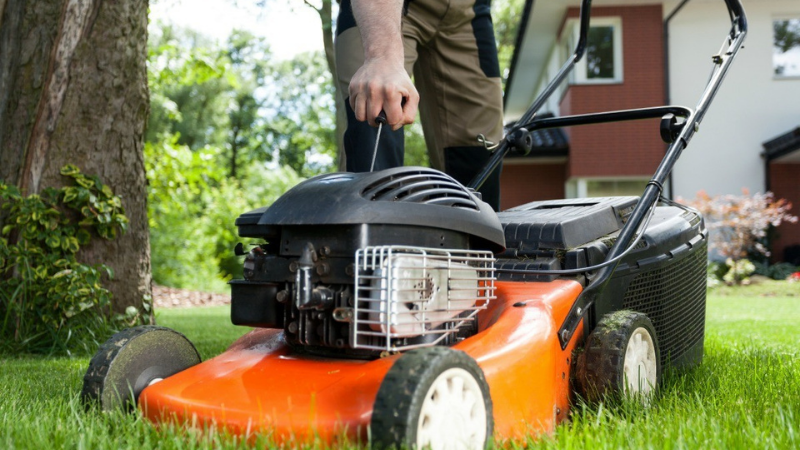
- Tilt the mower forward onto its front wheels for 30 seconds before starting. This helps settle fuel into the carburetor bowl, especially after sitting overnight.
- Check that the air filter is dry and free of debris. A wet or packed filter starves the engine of air and makes cold starts nearly impossible.
- Pull the cord fast and fully — a slow stroke doesn't generate enough compression to fire. Commit to the motion.
- On cold mornings, move the mower into a warmer spot for 15–20 minutes before starting. A warmer engine needs less choking and fewer pulls.
- Inspect the spark plug wire. A disconnected or loose plug wire is a common cause of silent no-starts that's easy to overlook.
Starting After Long Storage
If your Poulan has been sitting for a full season or longer, a standard cold start won't work. Stale fuel leaves varnish deposits that clog fuel lines and carburetor jets. Run this revival sequence before attempting a normal start:

- Drain all old fuel from the tank completely.
- Remove the spark plug and install a new one ($3–$6).
- Replace the fuel filter — always worth doing after long storage.
- Spray carburetor cleaner directly into the air intake while slowly pulling the cord 4–5 times. This dissolves varnish deposits without disassembly.
- Fill with fresh 87-octane gasoline.
- Attempt a standard cold start sequence.
- If the engine still won't fire, remove and clean the carburetor bowl or replace the entire carburetor (a $15–$30 part for this model).
Long-Term Habits That Keep Your Poulan Starting Strong
Seasonal Maintenance Schedule
The XT675 is a low-maintenance machine — but low-maintenance doesn't mean no maintenance. This is the minimum schedule that keeps it starting reliably for years:
- Start of season: Fresh fuel, new spark plug, clean or replace air filter, check oil level, inspect blade edge.
- Every 25 hours of use: Change the oil. The XT675 holds approximately 18 oz of SAE 30. Running it past this interval accelerates wear on the cylinder walls.
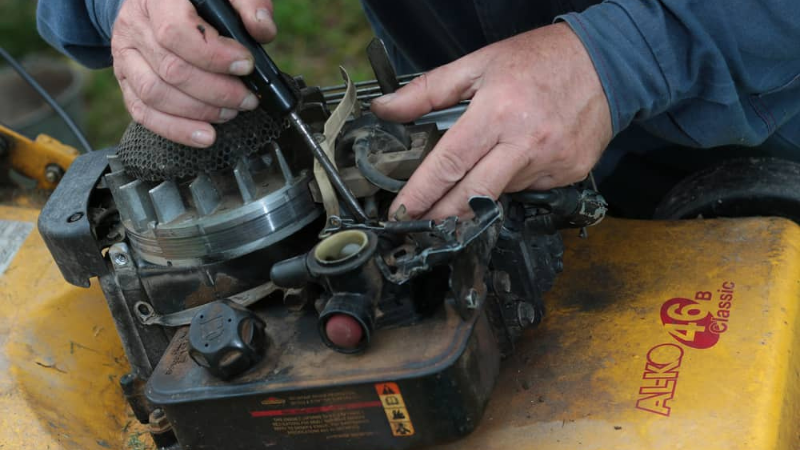
- Every 50 hours: Clean the carburetor with spray cleaner, inspect the fuel line for cracks or brittleness.
- End of season: Drain all fuel from the tank and carburetor bowl, or add a fuel stabilizer and run the engine for 5 minutes to treat the entire fuel system. Store in a dry, covered space.
Pairing Mower Care With Lawn Health
A reliable mower is one half of the equation. Once your Poulan is starting strong, pair regular mowing with these lawn care practices to get the most from every session:
- After scalping thin or bare patches, overseed immediately and feed the new grass. Our guide on how to mix grass seed and fertilizer at the same time gives you the exact ratios that give new seed the best start.
- If weeds are outcompeting your grass between mowing sessions, address them directly. Our guide on 4 ways to get rid of weeds forever covers both chemical and organic methods that produce lasting results.
- For isolated patches in tight spots the mower can't reach, spot treatment works well. See our guide on how to make homemade weed killer with dish soap, salt, and household staples.
- Feed your lawn at the end of each mowing season with rich organic matter. Our guide on how to make compost fertilizer at home shows you exactly how to build a free nutrient source from kitchen scraps.
- Apply the same maintenance discipline to your hand tools. Our guide on how to sharpen pruning shears at home walks through the same methodical approach that keeps all your tools performing reliably.
- Once your lawn looks sharp and well-maintained, you can put it to real use. Our guide on how to decorate a small lawn for a birthday party has practical, low-cost ideas for turning a tidy yard into an outdoor event space.
Frequently Asked Questions
Why won't my Poulan XT675 start after multiple pulls?
The most common causes are a flooded carburetor from over-priming, stale fuel in the tank, a fouled spark plug, or a clogged air filter. Start by checking whether you pressed the primer more than 3 times — if so, follow the flood-clearing procedure: move the choke to OPEN, skip the primer, and pull the cord 6–8 times steadily, then wait 5 minutes before trying again.
How many times should I press the primer bulb on my Poulan XT675?
Three times is the correct number for a cold start. Press each one firmly and fully. Under-priming (one press) leaves too little fuel in the carburetor bowl for easy ignition. Over-priming (five or more presses) floods the engine and prevents starting until the excess fuel clears.
What causes a Poulan lawn mower to crank but not start?
Cranking without starting usually points to one of four problems: a bad or fouled spark plug, a flooded carburetor, no fuel reaching the engine due to a clogged fuel filter or stale varnished fuel, or a low-oil sensor shutoff. Check oil first — it's the fastest test. Then check fuel freshness and spark plug condition before moving to the carburetor.
What type of oil does the Poulan XT675 use?
The XT675 uses SAE 30 motor oil for standard operating temperatures. Some operators use SAE 10W-30 if temperatures drop below 40°F. The engine holds approximately 18 oz. Check the oil level every time you add fuel — running low on oil triggers the engine's protection sensor and causes a no-start condition.
How do I start my Poulan mower after it sat all winter without fuel stabilizer?
Drain every drop of the old fuel first. Replace the fuel filter and spark plug, then spray carburetor cleaner into the air intake while slowly pulling the cord several times. Fill with fresh 87-octane gas and attempt a standard cold start. If it still won't fire, clean or replace the carburetor — a season of stale E10 fuel almost always leaves varnish deposits in the bowl and jets.
Can I start my Poulan XT675 if the primer bulb is missing or cracked?
Yes — it requires a modified approach but it's achievable. You can spray a small amount of carburetor cleaner directly into the air intake as a substitute, or remove the air filter and add a few drops of fuel directly into the carburetor throat before pulling. For a detailed walkthrough, read our guide on how to start a lawn mower without a primer bulb.
Key Takeaways
- Cold starts require full choke, 3 primer presses, and a firm pull — move to half choke at the first catch, then open within 30 seconds.
- Over-priming is the most common reason the XT675 won't start; clear a flooded engine by pulling 6–8 times with the choke open and no additional priming.
- Most no-start repairs cost under $10 in parts — spark plug, air filter, fuel filter, and primer bulb are all easy DIY fixes that eliminate the majority of starting failures.
- Drain or stabilize fuel at the end of every season to prevent varnish buildup in the carburetor, which is the leading cause of difficult starts the following spring.


About Lee Safin
Lee Safin was born near Sacramento, California on a prune growing farm. His parents were immigrants from Russia who had fled the Bolshevik Revolution. They were determined to give their children a better life than they had known. Education was the key for Lee and his siblings, so they could make their own way in the world. Lee attended five universities, where he studied plant sciences and soil technologies. He also has many years of experience in the U.S. Department of Agriculture as a commercial fertilizer formulator.
Get FREE Gardening Gifts now. Or latest free toolsets from our best collections.
Disable Ad block to get all the secrets. Once done, hit any button below