Have you ever pulled the starter cord on a muggy afternoon, heard your mower fire up cleanly, and then watched it sputter and die just minutes into the job? If you keep asking yourself why is my lawnmower cutting out, you're dealing with one of the most common — and most fixable — problems in lawn maintenance. The culprit is almost always vapor lock, a clogged fuel vent, faulty wiring, or an overheating engine. Each of these has a clear fix, and most of them don't require a repair shop. For more practical lawn care guidance, explore our gardening tips section.
The most important diagnostic clue is when your mower cuts out. A mower that runs smoothly for ten to twenty minutes before dying is telling you something very different from one that quits within seconds of starting. Heat-related failures — including vapor lock — consistently appear after the engine has been running a while and the fuel system has warmed up. Electrical and mechanical faults tend to show up immediately, or at unpredictable intervals regardless of engine temperature. Pay close attention to the pattern, and you're already halfway to the fix.
This guide walks through every common cause, explains the right tools for each diagnosis, and gives you clear guidance on when to handle the repair yourself versus when to call a technician. Work through it systematically and you'll come away knowing your mower's engine far better than you did before.
Contents
- Why Is My Lawnmower Cutting Out? The Most Common Causes
- Practical Tips to Keep Your Lawnmower Running Without Cutting Out
- Tools You Need to Diagnose a Cutting-Out Lawnmower
- When to Fix It Yourself and When to Step Back
- Common Myths About Lawnmowers Cutting Out, Set Straight
- Vapor Lock vs. Other Causes: A Side-by-Side Comparison
- Frequently Asked Questions
Why Is My Lawnmower Cutting Out? The Most Common Causes
When your lawnmower cuts out, the engine is always trying to communicate something specific. The challenge is interpreting the signal correctly. Six primary causes account for the vast majority of cutting-out problems: vapor lock, a clogged fuel cap vent, a dirty air filter, faulty wiring, a disconnected safety cord, and engine overheating. Understanding each one — and knowing which pattern of failure it produces — puts you in position to fix the problem quickly and confidently.
Vapor Lock: When Heat Turns Fuel Into a Problem
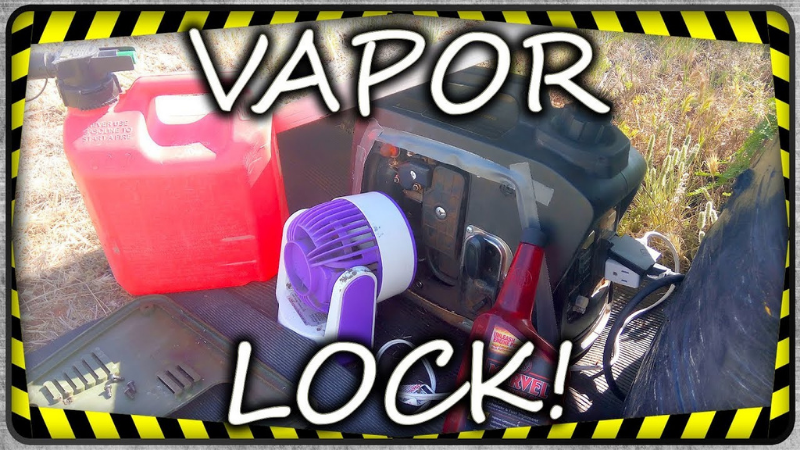
Vapor lock is what happens when fuel in your carburetor or fuel lines gets so hot that it vaporizes before it can reach the engine. Instead of liquid fuel feeding the combustion chamber, you get vapor bubbles — and vapor doesn't combust efficiently enough to keep the engine running. The mower dies. According to Wikipedia's explanation of vapor lock, this phenomenon occurs when a volatile liquid fuel changes state from liquid to gas inside the fuel delivery system, blocking normal fuel flow. In a lawnmower engine, this typically happens after ten to twenty minutes of use on a hot day.
The telltale sign is that your mower restarts easily once it cools down. Shut it off, wait twenty minutes, and if it fires right up, vapor lock is almost certainly your culprit. The fix is straightforward: loosen the fuel cap slightly to release any pressure build-up, let the engine cool, and consider switching to gasoline with lower ethanol content. Ethanol-blended fuels vaporize at lower temperatures and make vapor lock significantly more likely — especially during summer mowing sessions.
Clogged Fuel Cap Vent and Air Filter
Your fuel cap has a small vent hole that allows air into the tank as fuel is consumed. If that vent gets clogged — by dirt, dried fuel residue, or debris — the tank creates a vacuum as fuel drains. Eventually that vacuum grows strong enough to stop fuel flow entirely, and your mower cuts out. The diagnosis is simple: if your mower dies after running for a while, loosen the fuel cap slightly and try restarting. If it fires up immediately, a clogged cap vent is your culprit. A quick clean with a thin wire or a shot of compressed air is all it takes to fix it.
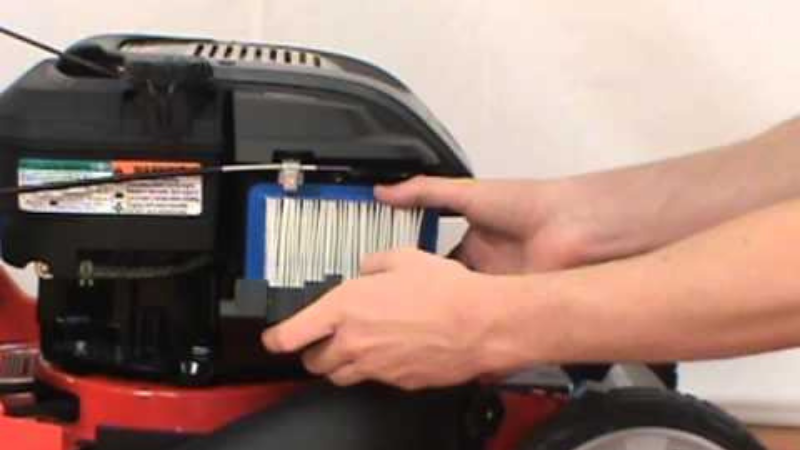
A dirty air filter creates a similar result through a different mechanism. Your engine needs a precise ratio of air to fuel to combust properly. A clogged filter restricts airflow, richens the mixture, and causes the engine to bog down and eventually stall — especially under load, like when you're cutting tall or wet grass. Replace your air filter every season, or more often if you mow in dusty or debris-heavy conditions.
Faulty or Disconnected Wiring
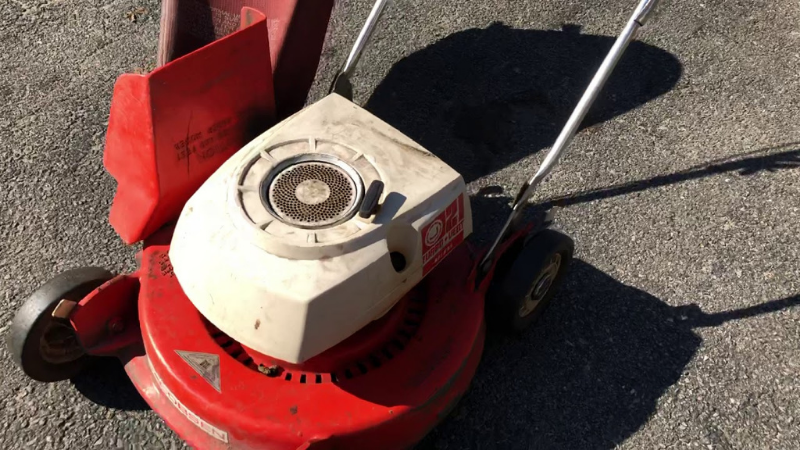
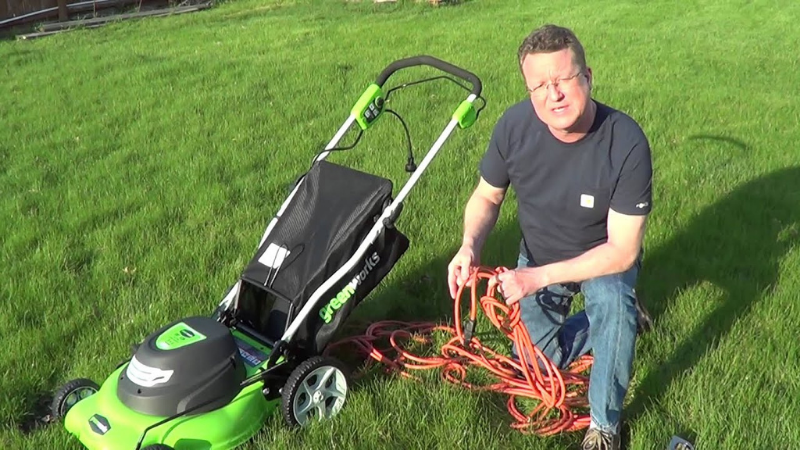
A frayed or broken wiring cord is a surprisingly common cause of a mower cutting out — and one of the easiest to overlook because it doesn't look like a mechanical failure. Push mowers have a safety bail bar (the handle bar you squeeze to keep the engine running). The wire connecting that bail bar to the ignition coil can fray, crack internally, or work loose from its connector. When it loses continuity, the mower's safety circuit interprets it as the operator releasing the bail bar and kills the engine immediately.
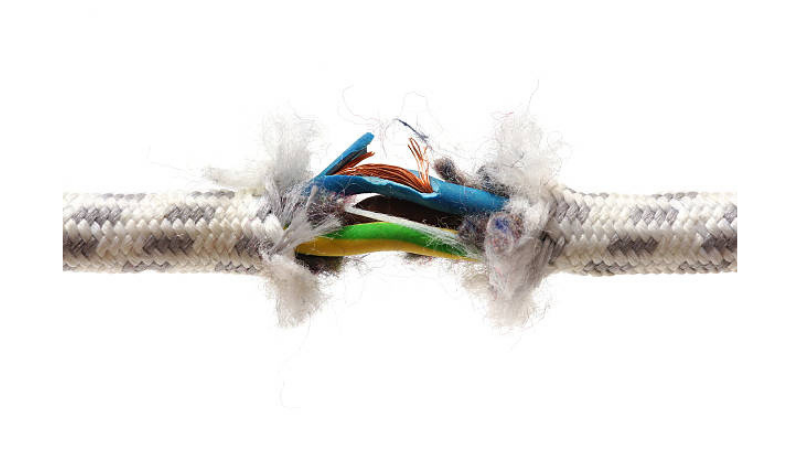
Wires that have come loose from their connectors — whether from vibration over time or a physical knock — cause the same intermittent cutting out. Inspect the full length of every wire you can see, look for bare copper where insulation has worn away, and press each connector firmly to make sure it's fully seated. A multimeter set to continuity mode is invaluable here: it confirms whether a wire is actually carrying a signal along its entire length, rather than failing partway through.
An Overheating Engine
If your mower cuts out after sustained use and the engine casing is extremely hot to the touch, overheating is the likely cause. Lawnmower engines are air-cooled, which means they rely on fins cast into the engine block to dissipate heat as air moves across them. When those fins get packed with grass clippings, dirt, and debris, airflow gets restricted and engine temperature climbs well beyond its designed operating range. A thermal cutoff switch built into most modern engines will shut the mower down before permanent damage occurs — which means the cut-out is actually the system protecting itself.
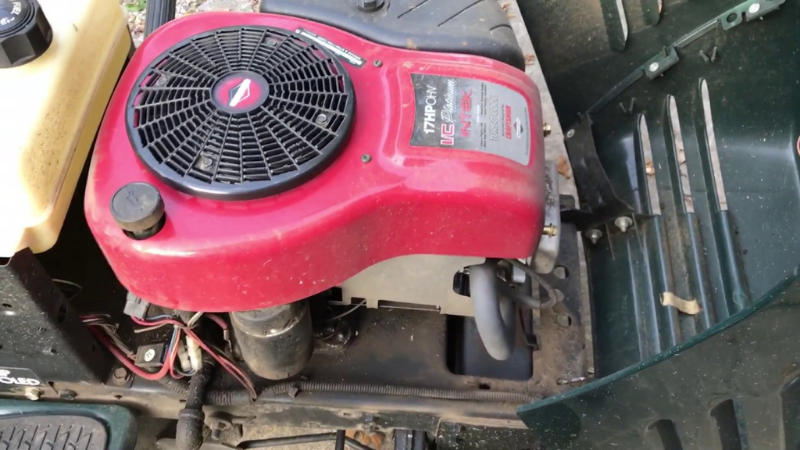
Clean the cooling fins with a stiff brush after every few mowing sessions. Check the oil level too — running low on oil dramatically increases engine friction and heat generation. If cleaning the fins doesn't resolve the overheating, inspect the ignition coil. A weakening coil sometimes fails only once it's fully heat-soaked, causing the engine to cut out and then restart cleanly once everything cools down — a pattern that mimics vapor lock closely enough to cause confusion.
Practical Tips to Keep Your Lawnmower Running Without Cutting Out
Preventing a cutting-out problem is far easier than diagnosing one mid-mow. A consistent maintenance routine eliminates most of the common causes before they have a chance to strand you partway through your lawn.
Fuel System Maintenance
Fuel quality matters more than most people realize. Always use fresh gasoline — fuel degrades within 30 days of purchase and leaves behind varnish deposits that clog carburetor jets and restrict fuel flow. If you store your mower for extended periods, either run the tank completely dry or add a fuel stabilizer before storage. If you notice your carburetor weeping fuel around its body or gaskets, that's a related but separate problem worth addressing immediately — see our detailed guide on why is my lawnmower carburetor leaking gas for the full walkthrough. Keep the fuel cap vent clear by periodically cleaning it with a thin wire or a short burst of compressed air. It takes thirty seconds and saves you a diagnostic headache later.
Electrical Connection Checks
At the start of each mowing season, walk the full length of every visible wire on your mower. Look for cracking or brittle insulation, bare copper where sheathing has worn away, and connectors that feel loose or wobbly when you press them. Push each connector firmly until it feels fully seated. Pay particular attention to the bail bar cable on push mowers — it flexes constantly during use and is one of the most common wiring failure points on residential mowers. The starter switch contacts are another area to inspect carefully: corroded or damaged contacts can mimic a fuel problem almost perfectly.
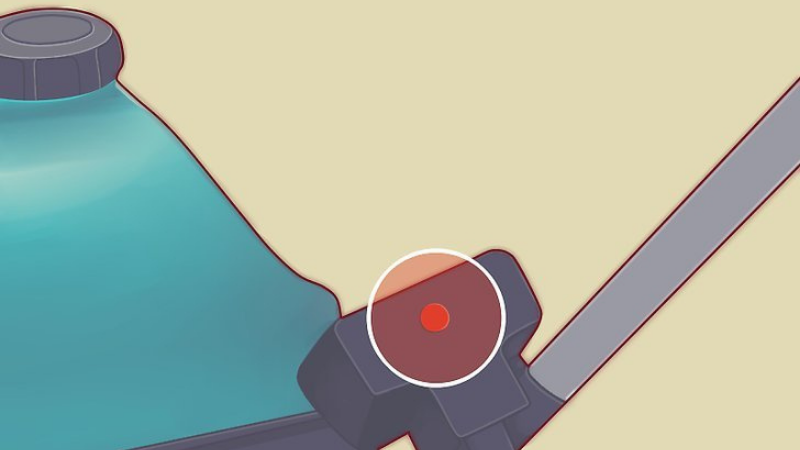
Pro tip: Spray electrical contact cleaner on switch terminals and connector pins once per season — it's a five-minute job that prevents hours of diagnostic frustration down the road.
Tools You Need to Diagnose a Cutting-Out Lawnmower
You don't need a full workshop to troubleshoot a mower that keeps cutting out. A focused set of inexpensive tools covers the vast majority of diagnostic work you'll encounter.
Basic Hand Tools
A socket set with a 5/8" spark plug socket is essential. Spark plug condition tells you an enormous amount about what's happening inside the engine — a wet, fouled plug points toward a carburetor or oil problem, while a dry, clean plug with no gap issue suggests the problem lies elsewhere in the system. You'll also want a set of screwdrivers for removing housing covers, and needle-nose pliers for disconnecting wire terminals cleanly without damaging the connectors. If you've already noticed your spark plug looking unusual, our guide on why is your lawn mower spark plug wet explains exactly what each symptom means and what steps to take next.
Diagnostic Equipment
A multimeter is the single most useful diagnostic tool you can own for lawnmower troubleshooting. It lets you test wire continuity, check voltage at the ignition coil, and verify that safety switches are functioning correctly — all without guessing. Carburetor cleaner spray, a thin wire for clearing vent holes, and a feeler gauge for checking and setting spark plug gap round out your toolkit. Here's a quick reference for the tools that get the job done:
| Tool | Purpose | Difficulty to Use |
|---|---|---|
| 5/8" spark plug socket | Remove and inspect spark plug | Easy |
| Multimeter | Test wires, ignition coil, and safety switches | Moderate |
| Carburetor cleaner spray | Clear fuel passages and jets without disassembly | Easy |
| Feeler gauge | Set correct spark plug gap | Easy |
| Stiff bristle brush | Clean cooling fins and air filter housing | Easy |
| Needle-nose pliers | Disconnect wire connectors safely | Easy |
| Electrical contact cleaner | Clean switch terminals and connector pins | Easy |
When to Fix It Yourself and When to Step Back
Most cutting-out problems are genuinely within reach for a homeowner with basic mechanical confidence. But some repairs require professional tools or precision that makes attempting them without the right setup counterproductive.
DIY-Friendly Repairs
Cleaning or replacing the air filter, clearing the fuel cap vent, replacing a spark plug, cleaning cooling fins, reconnecting loose wire terminals, and resolving vapor lock are all solid DIY territory. These fixes require nothing beyond the basic toolkit listed above and carry no real risk of damaging the engine when done carefully. Replacing a frayed bail bar cable falls into this category too — replacement cables cost very little, and the swap takes under thirty minutes with basic hand tools. A consistent pre-season inspection covering all of these items keeps you ahead of most cutting-out problems before they happen.
Jobs Best Left to a Technician
Carburetor rebuilding and ignition coil replacement are the two repairs where professional help consistently pays off. A carburetor rebuild requires disassembling a component with tiny jets, needle valves, and rubber diaphragms that are easy to damage or misalign without specific experience. An ignition coil replacement adds another layer of precision: the coil must be set to an exact air gap — typically 0.010" from the flywheel magnets — and even a small deviation causes the engine to run poorly or not at all. Loose flywheel bolts also belong on the professional list. Left unaddressed, a wobbling flywheel damages the keyway, turning a simple bolt-tightening job into an expensive engine repair.
Common Myths About Lawnmowers Cutting Out, Set Straight
There's a lot of folk wisdom floating around about lawnmower troubleshooting, and not all of it holds up under scrutiny. Some of the most widely repeated beliefs send people chasing the wrong problems entirely — wasting time and money in the process.
Myth: It's Always the Fuel
Old fuel is a real problem — but it gets blamed for far more cutting-out issues than it actually causes. When your mower dies after ten minutes of running on a hot day, the instinct is to dump the tank and start fresh. More often, the actual cause is vapor lock, a clogged vent, or overheating — none of which are solved by new fuel. Old and degraded gasoline typically causes hard starting, rough idling, or failure to start at all. It does not usually cause the classic pattern of starting cleanly and then cutting out after warming up. Diagnose the pattern first. Replace the fuel only if the evidence actually points there.

Myth: If It Starts, the Engine Is Fine
Starting and sustained running are two entirely different things. An engine with an incorrect spark plug gap, a weakening ignition coil, or a carburetor that's only partially obstructed will often start without issue. The problems emerge under load or once the engine reaches full operating temperature. A clean start is not a clean bill of health. The spark plug gap is a particularly deceptive culprit: a plug with a gap that's slightly too wide will fire reliably when cold but misfire consistently once the engine heats up and the metal expands. Check the gap against your manufacturer's specification — it's a two-minute test that rules out one of the most common hidden causes of heat-related cutting out.

Vapor Lock vs. Other Causes: A Side-by-Side Comparison
When you're uncertain which cause you're dealing with, this comparison cuts through the guesswork. Each cause produces a distinctive pattern that sets it apart from the others. Match your mower's behavior to the table below and you'll have a clear, evidence-based starting point — rather than working through every possibility from scratch.
| Cause | When It Cuts Out | Key Symptom | Fix Difficulty |
|---|---|---|---|
| Vapor lock | After 10–20 min of use | Restarts cleanly after cooling | Easy |
| Clogged fuel cap vent | After sustained running | Restarts immediately with cap loosened | Easy |
| Dirty air filter | Under load (tall or wet grass) | Engine bogs down before dying | Easy |
| Faulty bail bar cord | Randomly or immediately | Cuts out when cord flexes or shifts | Easy |
| Weak ignition coil | Only after engine is fully hot | No restart until fully cooled | Moderate |
| Dirty carburetor | Unpredictably | Rough running and surging before dying | Moderate |
| Overheating engine | After extended use in heat | Engine casing extremely hot to touch | Easy–Moderate |

Notice that most of these causes — vapor lock, clogged vent, dirty air filter, faulty cord — fall squarely into the "Easy" fix category. The most common cutting-out causes are also the easiest to resolve. Work through them in order before assuming you're facing a carburetor rebuild or ignition coil replacement. Nine times out of ten, the fix is simpler than you feared.
Frequently Asked Questions
Why does my lawnmower cut out after running for 20 minutes?
A mower that runs well for ten to twenty minutes and then dies is almost certainly experiencing vapor lock or a clogged fuel cap vent. Let the engine cool completely, then try restarting. If it fires up right away, vapor lock is the cause. On your next mow, try loosening the fuel cap slightly to allow air into the tank — if the problem disappears, you've confirmed a vented cap blockage. Clean the vent hole with a thin wire and the problem is solved permanently.
Can a dirty spark plug cause my lawnmower to cut out?
Yes, but the pattern matters. A fouled or incorrectly gapped plug typically causes misfiring, rough running, and eventual stalling under load rather than sudden cut-outs. A plug with too wide a gap is especially prone to cutting out once the engine heats up, because metal expansion at operating temperature widens the gap further. Remove your spark plug, check the condition and gap against the manufacturer's specification, and replace it if there's any doubt. It's one of the cheapest fixes you can make.
Why does my lawnmower start but then cut out immediately?
Immediate cutting out — within seconds of starting — almost always points to an electrical fault rather than a fuel or overheating issue. Check the safety bail bar wire first: if it's frayed, kinked, or has a loose connector, the engine kill circuit activates the moment the wire loses continuity. Also inspect the safety switches on the operator presence system — a faulty switch produces exactly the same symptom and is easy to overlook because the mower appears to start normally before dying.
Your mower isn't broken — it's giving you a precise signal every time it cuts out; learn to read the pattern, and the fix is almost always simpler than you think.


About Lee Safin
Lee Safin was born near Sacramento, California on a prune growing farm. His parents were immigrants from Russia who had fled the Bolshevik Revolution. They were determined to give their children a better life than they had known. Education was the key for Lee and his siblings, so they could make their own way in the world. Lee attended five universities, where he studied plant sciences and soil technologies. He also has many years of experience in the U.S. Department of Agriculture as a commercial fertilizer formulator.
Get FREE Gardening Gifts now. Or latest free toolsets from our best collections.
Disable Ad block to get all the secrets. Once done, hit any button below