A wet spark plug lawn mower problem almost always comes down to one root issue: unburned fuel or oil is reaching the plug before ignition can fire. The good news is that most cases are fixable at home in under an hour. Whether you're here because your mower won't start or it's stumbling badly, the gardening tips hub has a full range of lawn care and equipment guides to help you troubleshoot every season.
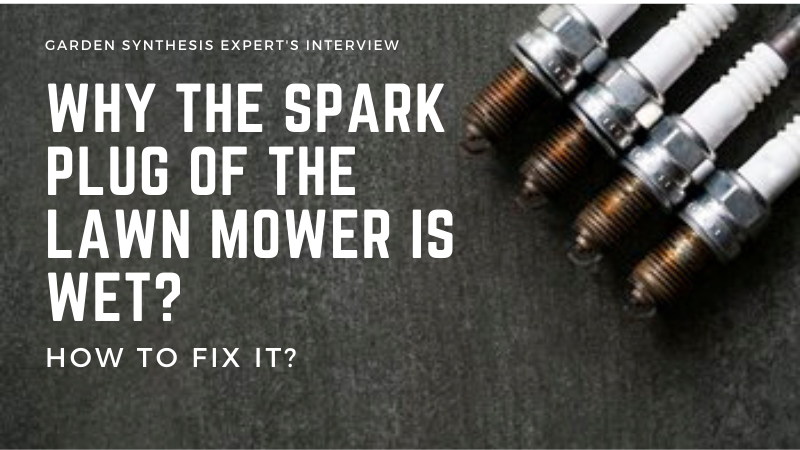
The wet plug itself is a symptom, not the problem. Flooding, a faulty carburetor float valve, a leaking cold start injector, or worn piston rings each produce a wet plug — but each requires a completely different fix. Knowing which one you're dealing with saves you time and prevents you from throwing parts at the wrong problem.
This guide covers every cause, the tools you need, the exact steps to fix it, and a cost breakdown so you can decide whether to do it yourself or take it to a shop. If you're also dealing with a no-start condition unrelated to flooding, see our guide on how to start a lawn mower without a primer bulb for more starting system troubleshooting.
Contents
What Causes a Wet Spark Plug in a Lawn Mower?
There are two distinct types of wet plug: fuel-soaked and oil-fouled. The substance on the electrode tells you exactly where to dig. Fuel fouling points to carburetion or flooding issues. Oil fouling points to internal engine wear. Here are the three main culprits.
Engine Flooding
Flooding is the number one cause of a wet spark plug lawn mower situation. When you crank the engine repeatedly without it catching — especially with the choke fully closed — the carburetor dumps raw fuel into the combustion chamber faster than it can be ignited. That excess fuel saturates the plug electrodes and prevents the spark from jumping the gap.
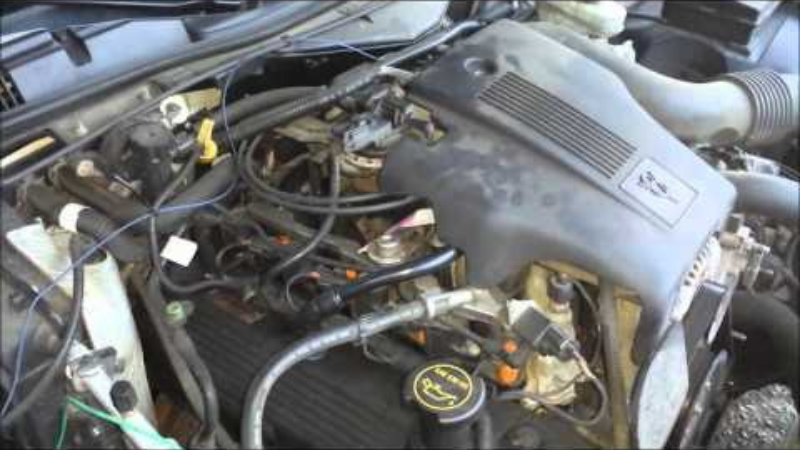
Over-priming is a close second. Pressing the primer bulb more than three times on a warm engine pushes excess fuel directly into the intake manifold. Cold starts need two to three bulb presses maximum — beyond that, you're flooding the system before it ever has a chance to fire.
Leaking Cold Start Injector or Float Valve
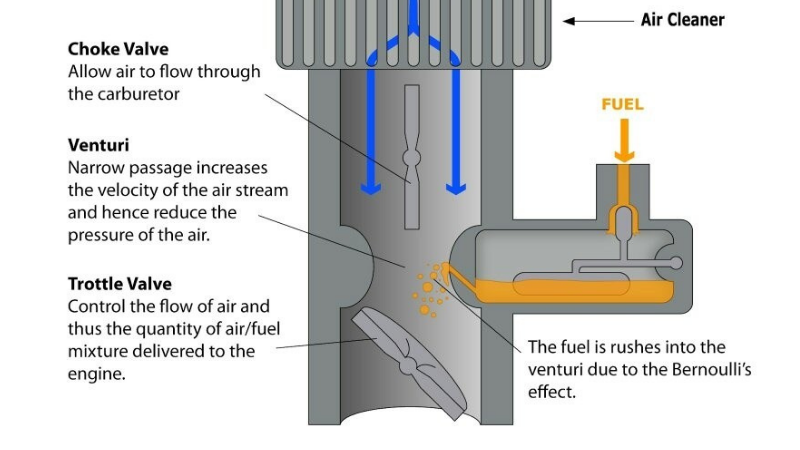
A worn carburetor needle valve lets fuel bypass the float system and continue flowing into the engine even when it shouldn't. The float chamber is designed to cut off fuel at the correct level — a stuck or corroded needle valve destroys that regulation and lets fuel pour through unchecked.
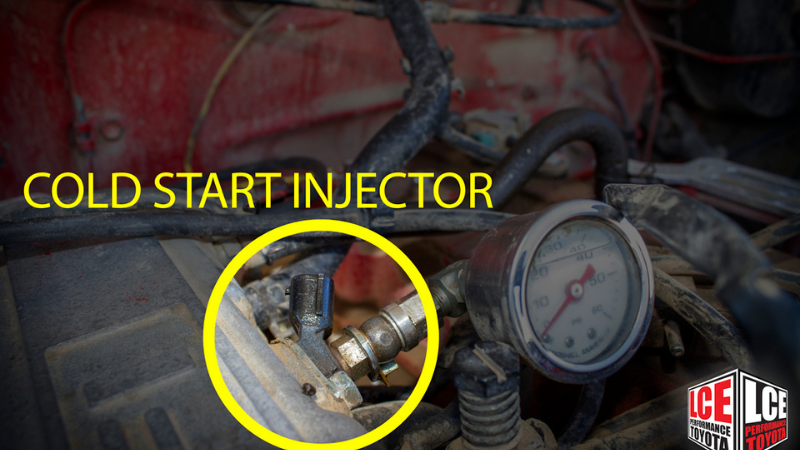
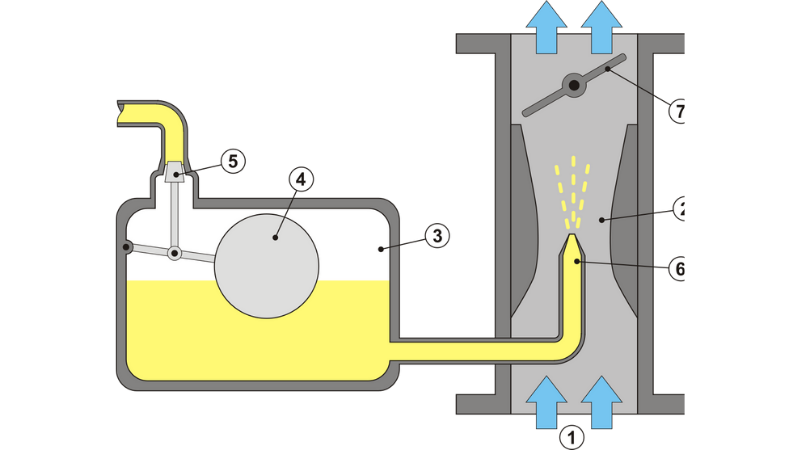
The result is the same whether the culprit is the needle valve or a cold start enrichment circuit stuck open: raw fuel pools in the intake and soaks the plug before the engine even attempts to start.
Worn Piston Rings or Cylinder Walls
Oil fouling on the plug is a different problem entirely. When piston rings wear out, they lose their ability to seal combustion gases inside the cylinder. Oil from the crankcase migrates past the rings and into the combustion chamber, coating the plug electrodes and preventing spark. According to Wikipedia's overview of spark plug fouling types, oil fouling is one of the most reliable indicators of internal engine wear in small four-stroke engines.
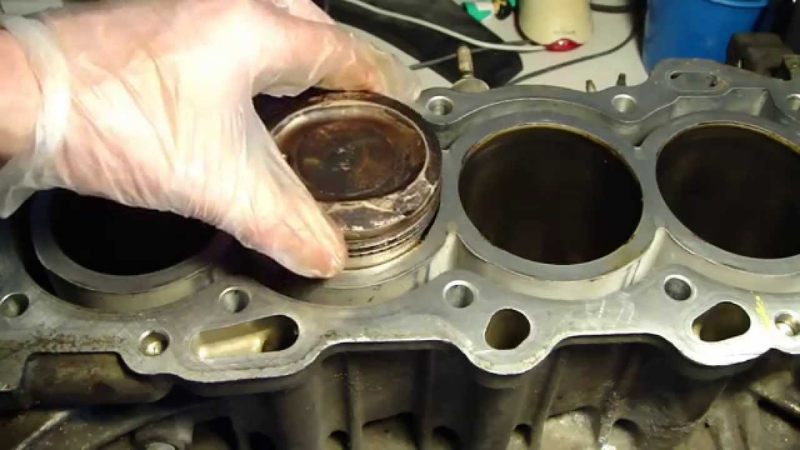
A compression test confirms ring wear. Less than 90 PSI on a single-cylinder small engine means the rings are the problem. Blue smoke from the exhaust during startup is an additional confirmation.
What You Need to Diagnose and Fix the Problem
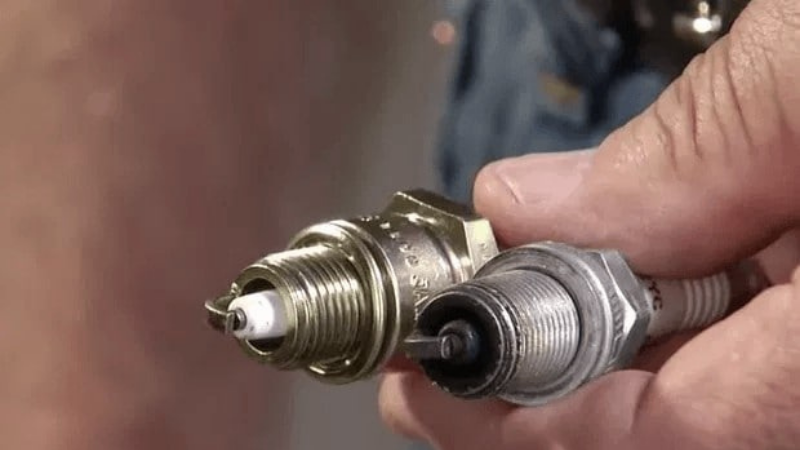
You don't need a professional shop to handle most wet plug problems. The right toolkit makes the difference between a 30-minute fix and a wasted afternoon.
Diagnostic Tools
- Spark plug socket — 5/8" for most small engines, 13/16" for some older models
- Ratchet with 3" or 6" extension
- Compression tester — essential if you suspect ring wear
- Multimeter — for ignition coil resistance testing
- Carburetor cleaner spray
- Wire brush or dedicated plug cleaning tool
- Feeler gauge for checking electrode gap (spec typically 0.030")
Replacement Parts to Have Ready
- Replacement spark plug matched to OEM spec (NGK, Champion, or Bosch equivalent)
- Carburetor needle valve and float kit if float chamber leaking is suspected
- Full carburetor rebuild kit for a complete overhaul
- Fresh, ethanol-minimized fuel — degraded ethanol blends accelerate carburetor corrosion and bowl deposits; check our lawn mower gas guide for fuel selection specifics
When to Clean vs. When to Replace the Plug
Not every wet plug needs to be discarded. The decision comes down to fouling type and the physical condition of the electrode and porcelain insulator.
Signs You Can Clean and Reuse
- Fouling is fuel-only — smells of gasoline, no baked-on carbon or oil residue
- Electrode gap is within spec at 0.028"–0.032"
- Porcelain insulator shows no cracks, chips, or carbon tracking
- The plug is less than one full season old
Spray with brake cleaner or contact cleaner, scrub the electrode with a wire brush, blow dry with compressed air, and let it sit in open air for 10 minutes. That's all it takes for a lightly fouled plug.
When Replacement Is the Only Option
- Oil fouling — oil bakes into the porcelain and no cleaning restores proper insulation
- Electrode is eroded, rounded, or the gap exceeds 0.035"
- Visible cracks in the ceramic insulator
- Carbon tracking — dark lines running along the porcelain
- The plug is more than one season or 100 operating hours old
Replacement plugs cost $3–$8. There's no reason to chase a wet plug problem with a compromised plug. Start fresh and eliminate one variable immediately.
Step-by-Step: How to Fix a Wet Spark Plug
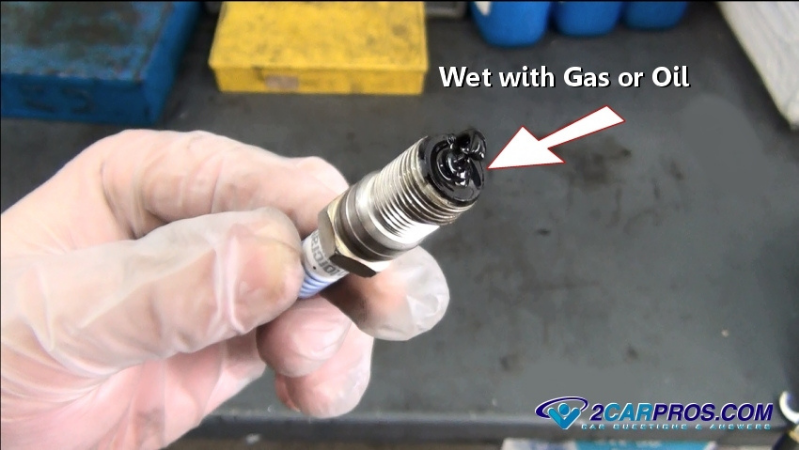
Drying and Cleaning the Plug
- Disconnect the spark plug wire and remove the plug using your socket and ratchet.
- Inspect the plug — note whether it's wet with fuel (gasoline smell, light tan residue) or oil (dark, greasy, heavier deposit).
- If cleaning: spray with brake cleaner, scrub the electrode with a wire brush, then blow dry with compressed air. Let it air out for 10 minutes minimum.
- With the plug removed, disengage the choke and open the throttle fully. Pull the starter cord 5–6 times — this purges excess fuel from the combustion chamber.
- Reinstall the plug and torque to 15 ft-lbs, or hand-tight plus a half turn on aluminum cylinder heads.
- Reconnect the plug wire and attempt a normal restart with the choke at half position.
Addressing the Root Cause
If the engine starts after you dry the plug but the problem comes back within a few starts, you haven't fixed the root cause. For flooding: correct your choke technique first. Most warm engines need zero choke. Cold engines need full choke for the first pull, half choke if it doesn't fire, then off once running. For model-specific starting procedures, the guide on how to start a Poulan mower XT675 shows the exact choke sequence for a common small engine platform.
For a carburetor leak: rebuild or replace the carburetor needle valve and seat. A full rebuild kit runs $10–$30 and clears most float valve issues. For oil fouling: a compression test first, then either a top-end rebuild (new rings and a cylinder hone) or an engine replacement if wear is too far advanced.
What It Will Cost You
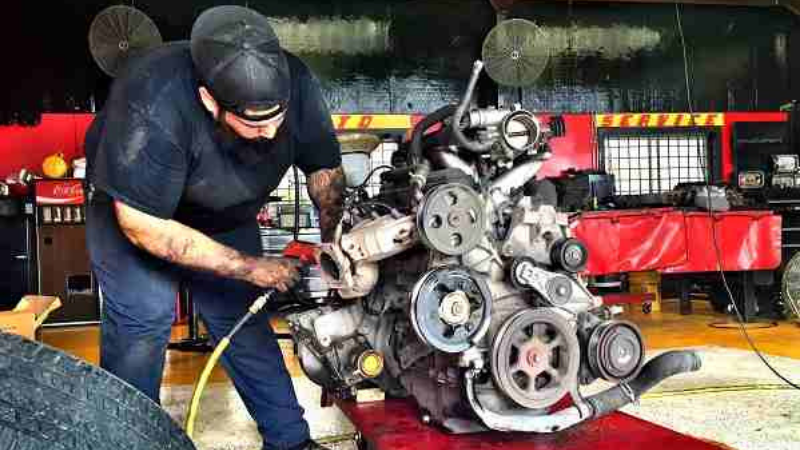
DIY Repair Costs
DIY is the right call for almost everything except a full engine rebuild. Here's a realistic breakdown of what you're spending:
| Repair | Parts Cost | Time | Skill Level |
|---|---|---|---|
| Spark plug replacement | $3–$8 | 15 min | Beginner |
| Carburetor needle valve kit | $8–$20 | 1–2 hrs | Intermediate |
| Full carburetor rebuild kit | $10–$30 | 2–3 hrs | Intermediate |
| Piston ring replacement | $20–$60 | 4–6 hrs | Advanced |
| Replacement engine | $150–$400 | 3–5 hrs | Advanced |
Professional Service Costs
Small engine shop labor runs $60–$90 per hour. A carburetor clean and rebuild comes to $80–$150 all in. A full engine replacement at a dealer can reach $400–$600 once labor is added. For push mowers that are more than eight to ten seasons old, a new engine or a new mower is often the smarter financial call — especially if oil fouling from ring wear has already been confirmed.
Keeping Your Mower Running Long-Term
A wet spark plug is almost always a preventable problem. Consistent maintenance keeps your carburetor clean, your plug fresh, and your starting technique correct. These three factors eliminate the overwhelming majority of wet plug incidents.
Seasonal Maintenance Habits
- Replace the spark plug at the start of every mowing season — it's an $8 insurance policy against starting problems
- Add fuel stabilizer any time the mower will sit for more than 30 days
- Run the engine until it starves for fuel at end of season — this clears the carburetor bowl of residual fuel that degrades into varnish
- Change the engine oil every 50 operating hours or once per season, whichever comes first
- Inspect and clean or replace the air filter each season — a clogged filter richens the mixture the same way an over-closed choke does
Prevention Best Practices
The single biggest habit change you can make is learning your engine's correct starting sequence. Overuse of the choke is responsible for the majority of flooded engines. On most small four-stroke engines: full choke for the first pull on a cold start, half choke if it doesn't fire, open choke the moment it catches. Never use choke on a warm engine. Stick to this sequence and you'll rarely see a wet plug from flooding again.
Also keep fresh fuel in the tank. Ethanol blends absorb moisture and phase-separate in storage, leaving a corrosive residue in the carburetor bowl that disrupts the needle valve seal and clogs jets. Use fresh fuel, treat it with stabilizer, and drain completely before any extended storage period.
Frequently Asked Questions
Why is my lawn mower spark plug wet with gas?
Your spark plug is wet with gas because the engine flooded. Too much choke use, excessive primer bulb presses, or a stuck carburetor needle valve allowed raw fuel to saturate the combustion chamber before ignition could happen. Remove the plug, purge the cylinder by pulling the cord several times with the choke open, dry or replace the plug, and restart with the correct choke sequence.
Can I dry a wet spark plug and reuse it?
Yes, if the fouling is fuel-only and the electrode and porcelain are in good condition. Spray with brake cleaner, scrub the electrode with a wire brush, blow dry with compressed air, and air it out for 10 minutes. Oil-fouled plugs cannot be reliably cleaned and must be replaced.
What does it mean when a spark plug is wet with oil?
A spark plug wet with oil means worn piston rings or cylinder walls are allowing crankcase oil to bypass the combustion seal and coat the plug. This is a mechanical wear issue. A compression test below 90 PSI confirms it. The fix is a top-end rebuild or engine replacement.
How do I unflood a lawn mower engine?
Remove the spark plug, disengage the choke completely, open the throttle fully, and pull the starter cord five to six times to purge excess fuel from the cylinder. Dry or replace the plug, reinstall it, and restart with the choke at half position or fully open depending on engine temperature.
How often should I replace my lawn mower spark plug?
Replace your spark plug at the start of every mowing season or every 100 operating hours, whichever comes first. A new plug costs $3–$8 and eliminates one of the most common sources of no-start and rough-running issues before they happen.
Does a wet spark plug always mean a flooded engine?
A fuel-wet spark plug almost always means a flooded engine. An oil-wet plug does not — that points to internal engine wear, specifically failed piston rings. The smell and color of the residue on the plug tells you exactly which problem you're dealing with before you do anything else.
Can stale fuel cause a wet spark plug on a lawn mower?
Yes. Degraded ethanol blends cause carburetor deposits that disrupt proper fuel metering and stick the needle valve open, producing a rich-running condition that fouls the plug. Always use fresh fuel and add a stabilizer for any storage period exceeding 30 days.
Final Thoughts
A wet spark plug lawn mower problem is almost always fixable at home — pull the plug, identify fuel versus oil fouling, dry or replace it, fix the root cause, and your mower will run cleanly again. Start with the cheapest fix first: a fresh $5 plug and a corrected choke sequence resolves the majority of wet plug cases without touching anything else. If that doesn't hold, work your way up to the carburetor float valve, and then to a compression test for ring wear. Grab your socket and plug today, run through this checklist, and stop letting a small maintenance issue keep you off the lawn.


About Lee Safin
Lee Safin was born near Sacramento, California on a prune growing farm. His parents were immigrants from Russia who had fled the Bolshevik Revolution. They were determined to give their children a better life than they had known. Education was the key for Lee and his siblings, so they could make their own way in the world. Lee attended five universities, where he studied plant sciences and soil technologies. He also has many years of experience in the U.S. Department of Agriculture as a commercial fertilizer formulator.
Get FREE Gardening Gifts now. Or latest free toolsets from our best collections.
Disable Ad block to get all the secrets. Once done, hit any button below