Last spring, my neighbor sprayed Roundup along his fence line to knock out a stubborn patch of crabgrass. A breeze picked up mid-spray. Two weeks later, a large brown dead zone had replaced what used to be a healthy strip of lawn — and he was ready to dig the whole thing out and start over. If you're asking whether grass can grow back after weed killer damage, the answer is yes in most cases — but how you approach recovery makes all the difference. This post, part of our gardening tips collection, walks you through every step.

The outcome depends heavily on which type of herbicide hit your lawn. Contact herbicides — like diquat or acetic acid-based sprays — only damage the plant parts they touch. Roots often survive, and new growth can emerge on its own. Systemic herbicides like glyphosate travel through the entire plant and kill the roots too. Pre-emergent herbicides block seed germination without harming established grass, but they make reseeding impossible until they break down. Each type calls for a different recovery approach.
Acting too fast is the most common mistake people make. Knowing what you're actually dealing with before you pick up a rake saves you wasted seed, wasted money, and weeks of frustration. The sections below cover damage diagnosis, what real lawn recoveries look like, the errors to avoid, the right steps to follow, and the myths that keep lawns brown longer than they need to be.
Contents
- What You Need to Know Before You Start Recovery
- What Real Lawns Actually Look Like After Weed Killer Damage
- What Beginners Get Wrong — And What Experienced Gardeners Do
- The Right Steps to Get Grass Growing Back After Weed Killer
- The Myths About Weed Killer That Are Slowing Down Your Recovery
- Frequently Asked Questions
What You Need to Know Before You Start Recovery
Reading the Damage First
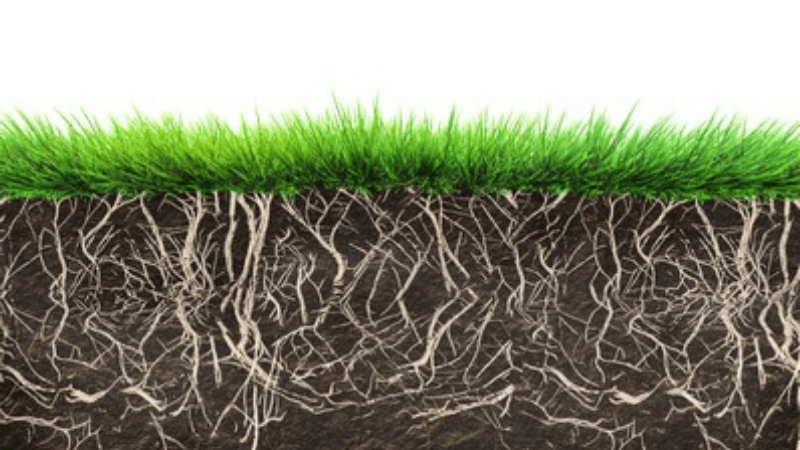
Before you touch anything, spend a few minutes assessing what the herbicide actually did. Pull gently on a clump of brown grass. If the blades come out with no resistance and the roots look dark or mushy, the root system is dead — you're looking at a replant job. If there's tug-back and the roots feel pale and firm, the plant may still be alive underground, and you have a better shot at assisted recovery rather than a full restart.
Also look at the shape of the damaged zone. A sharp, well-defined border usually points to direct spray contact. A fuzzy, gradual fade suggests wind drift or water carrying the chemical into surrounding areas. According to the U.S. EPA, glyphosate disrupts a specific enzyme pathway in plants and breaks down through soil microbial activity — meaning the soil is not a permanent dead zone, but it does need time to clear before new growth can take hold.
The Basic Recovery Kit
You don't need specialized equipment to handle most cases. A hand rake for clearing dead thatch, a soil test kit to check for residual chemical activity, grass seed matched to your climate and sun exposure, and a garden fork for loosening compacted soil are the core tools. For bare zones over 100 square feet, a seed spreader gives you more even coverage. A core aerator — easily rented from most tool shops for a weekend — makes a real difference in compacted soil. These are the tools that separate a successful recovery from a wasted reseeding attempt.
What Real Lawns Actually Look Like After Weed Killer Damage
The Accidental Overspray Scenario
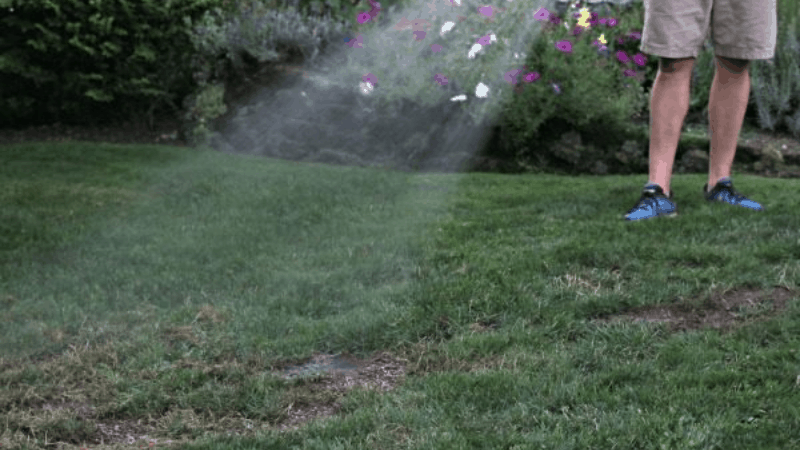
Accidental overspray is by far the most common cause of unexpected brown patches. You aim at weeds along the driveway or fence, the wind shifts slightly, and the mist settles on the surrounding turf. In most of these cases, the exposure is brief and doesn't fully saturate the root zone. Warm-season grasses like Bermuda and zoysia often push new growth from surviving roots even after contact with glyphosate, especially when only the leaves were hit. Cool-season grasses — Kentucky bluegrass, fine fescue, perennial ryegrass — are more sensitive and usually need overseeding even after limited exposure.
Patch size matters too. A spot smaller than your hand often recovers on its own with good watering and feeding. A patch the size of a welcome mat almost always needs you to clear the dead material and reseed with intention.
When Recovery Takes Longer Than Expected
Some herbicide products contain compounds with soil residual activity — they stay chemically active in the soil for weeks or months after application. If a damaged patch refuses to green up despite a reasonable waiting period and good conditions, residual soil activity is the likely explanation. Do a germination test before putting down seed: press a few grass seeds onto a damp paper towel and leave them near a sunny window. If they sprout within a week, the soil is ready. If nothing happens after 7 to 10 days, wait two more weeks and test again. This step alone saves you from reseeding into soil that still can't support germination.
What Beginners Get Wrong — And What Experienced Gardeners Do
The Mistakes That Cost You Time
Most beginners rake out the dead grass within days and immediately scatter seed, watering heavily to push germination. Nothing sprouts, frustration sets in, and they assume the soil is ruined. The real problem is almost always timing. Systemic herbicides need 2–4 weeks to break down in the soil before conditions can support new growth. Seeding inside that window is like planting into a chemical barrier — germination simply won't happen.
Over-watering is the other common error. Flooding the area doesn't dilute or wash out the herbicide — it pushes it sideways into adjacent healthy turf or drives it deeper into the root zone, widening the damaged area instead of helping it heal.
How Experienced Lawn Keepers Approach It
Experienced gardeners do two things before anything else: they read the product label and they run a germination test. The label gives the exact reseeding waiting period — it's required information on every registered herbicide. The germination test confirms the soil has actually cleared. When they do reseed, they match their method to the damage: small spots get overseeded into existing grass, while larger bare zones get full soil preparation first.
They also feed the recovery smartly from the start. Choosing the right fertilizer at the right time dramatically affects how fast new grass fills in — our guide on which fertilizer greens up a lawn fastest walks through the best options and application timing for exactly this kind of situation.
The Right Steps to Get Grass Growing Back After Weed Killer
Preparing the Soil for New Seed
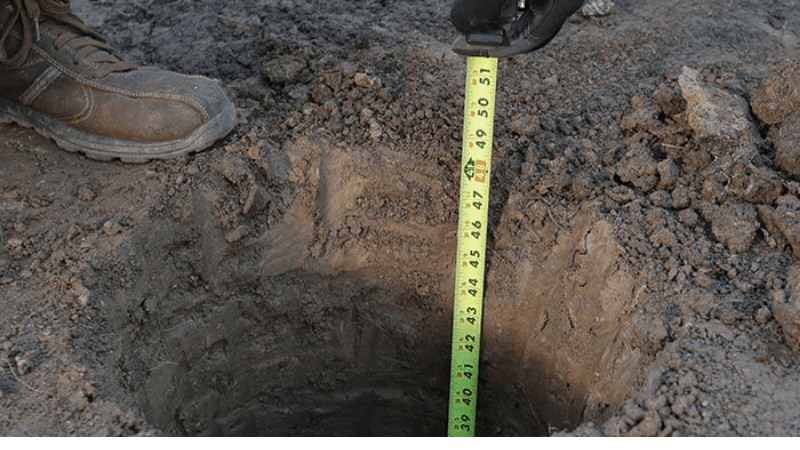
Once the waiting period has passed, soil preparation is the most important step in the whole recovery process. Rake out all dead grass and thatch to expose bare soil — seeds need direct contact with the soil to germinate well. Loosen the top inch with a garden fork. For compacted areas, which are common in heavily treated zones, aerate before seeding. Compact soil limits root growth and traps moisture near the surface, producing weak, shallow-rooted seedlings that die at the first stretch of heat or drought.
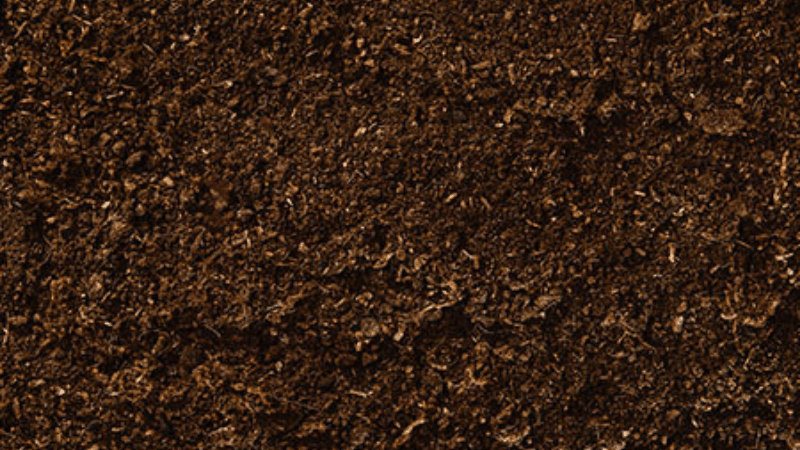
For larger bare zones, work in a thin layer of compost — about a quarter inch — before seeding. This improves soil structure and nutrient availability without smothering the seed. It's a simple step that gives new seedlings a meaningful head start.
Seeding, Watering, and the First Feeding
Spread seed at the rate printed on the package. Over-seeding causes crowding and competition, which results in thin, weak plants that struggle to establish. Press the seed firmly into the soil with the back of a rake to ensure good contact. Water twice daily with short, light cycles until germination begins — typically 7 to 14 days. Once you see consistent green growth emerging, switch to deeper, less frequent watering to push roots downward into the soil rather than keeping them near the surface where they're vulnerable.
Once your new grass reaches about 3 inches tall, apply a starter fertilizer high in phosphorus to support root development — phosphorus is what young root systems need most. If pets or rabbits frequent your lawn, check that your seed choice is safe before you spread it. Our post on whether grass seed is harmful to rabbits covers which varieties to be cautious with.
The Myths About Weed Killer That Are Slowing Down Your Recovery
Myth: The Soil Is Permanently Contaminated
This belief causes more unnecessary panic than almost anything else in lawn care — and it's not accurate. Most common lawn herbicides, including glyphosate, break down through microbial activity in the soil. Glyphosate's average half-life in soil is roughly 47 days, meaning most of it degrades within two months under normal conditions. The soil is not a permanent dead zone after a Roundup spill. It's a temporary one, with a predictable timeline. The table below shows typical waiting periods by herbicide category to help you plan your recovery.
| Herbicide Type | Common Examples | Kills Roots? | Typical Soil Wait Before Reseeding | Best Recovery Method |
|---|---|---|---|---|
| Contact (non-selective) | Diquat, acetic acid | No — surface only | 3–7 days | Roots may recover; overseed if needed |
| Systemic (non-selective) | Glyphosate (Roundup) | Yes — full plant | 2–4 weeks | Remove dead material, reseed |
| Pre-emergent | Pendimethalin, prodiamine | No — blocks germination | 3–4 months | Wait for active window to expire, then reseed |
| Soil-active (persistent) | Imazapyr, tebuthiuron | Yes — root zone affected | Months to over a year | Soil testing required; replacement may be needed |
Myth: You Need to Wait a Full Year Before Reseeding
This rule applies only to a narrow category of persistent soil-active products used mainly in industrial or brush-clearing applications — not to the standard glyphosate or contact sprays most homeowners reach for on their lawns. Every registered herbicide label lists its reseeding waiting period clearly, because it's legally required information. That range runs from as little as 3 days for fast-acting contact products to 3–4 months for pre-emergent formulas. If you've lost the label, search the product name online for its safety data sheet. Don't guess at the waiting period — the label gives you the exact number, and acting on it correctly is the single most important variable in your recovery timeline.
Frequently Asked Questions
Will grass always grow back after weed killer damage?
In most cases, yes. Whether it regrows on its own or needs reseeding depends on the herbicide type and how deeply it reached the root zone. Contact herbicides often leave roots alive, allowing natural recovery. Systemic types like glyphosate kill the full plant and require you to reseed once the soil clears.
How long does it take for grass to recover after herbicide damage?
It depends on the product. Contact herbicide damage can clear in as little as one to two weeks. Systemic products typically require two to four weeks before reseeding is viable. Pre-emergent herbicides may extend that wait to three to four months. Always check the product label for the exact reseeding window.
Does glyphosate stay in the soil permanently?
No. Glyphosate breaks down through microbial activity in the soil with an average half-life of about 47 days. Under normal conditions, the majority is gone within two to three months. Soil type, temperature, and moisture levels all affect the breakdown rate, but permanent soil contamination from glyphosate is not a realistic concern for home lawn use.
Which grass types recover fastest after weed killer exposure?
Warm-season grasses like Bermuda, zoysia, and St. Augustine tend to recover faster. They grow more aggressively and can push new shoots from surviving root sections even after partial damage. Cool-season grasses like Kentucky bluegrass and fine fescue are more sensitive and usually require overseeding even from brief exposures.
Should I water heavily after a weed killer spill to dilute it?
No. Heavy watering does not dilute or neutralize the herbicide. It pushes the chemical sideways into adjacent healthy grass or deeper into the root layer, which can expand the damaged zone. Avoid flooding the area, especially in the first few days after the spill.
When is the best time of year to reseed after weed killer damage?
Timing depends on your grass type. Cool-season grasses germinate best when soil temperatures are between 50°F and 65°F — typically early fall or early spring. Warm-season grasses prefer soil temperatures above 65°F, making late spring to early summer the ideal window. Reseeding during midsummer heat or cold winter months significantly reduces germination success regardless of soil conditions.
Brown grass after weed killer is a temporary setback, not a permanent verdict — know your herbicide, respect the breakdown window, and give your soil the prep it needs to let grass grow back stronger than before.


About Lee Safin
Lee Safin was born near Sacramento, California on a prune growing farm. His parents were immigrants from Russia who had fled the Bolshevik Revolution. They were determined to give their children a better life than they had known. Education was the key for Lee and his siblings, so they could make their own way in the world. Lee attended five universities, where he studied plant sciences and soil technologies. He also has many years of experience in the U.S. Department of Agriculture as a commercial fertilizer formulator.
Get FREE Gardening Gifts now. Or latest free toolsets from our best collections.
Disable Ad block to get all the secrets. Once done, hit any button below