What Causes a Lawn Mower Spark Plug to Turn Black? (And How to Clean It)
by Lee Safin
Ever pulled the spark plug from your lawn mower and stared at a tip caked in chalky black soot? That dark residue is your engine sending a clear distress signal — and knowing how to clean black spark plugs is the fastest way to restore your mower's performance. In most cases, the culprit is a rich fuel mixture, a clogged air filter, or oil seeping into the combustion chamber. The good news? A brand-new plug isn't always necessary. The right cleaning technique, applied correctly, can bring a fouled plug back to life. For more lawn and garden maintenance guides, visit our gardening tips section.
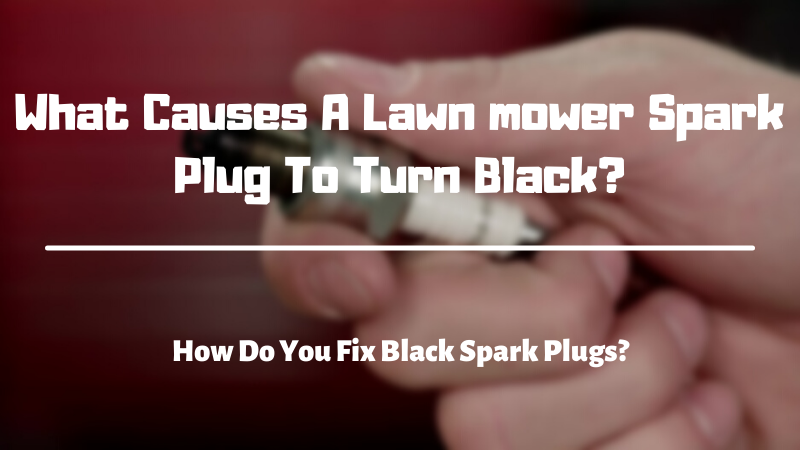
A spark plug turns black through a process called carbon fouling. According to the Wikipedia article on spark plugs, the electrode and ceramic insulator are precisely engineered to fire at a specific air-to-fuel ratio. When too much fuel enters the cylinder — or when oil or moisture contaminates the mix — unburned carbon bonds to the plug tip. The result is misfires, hard starts, rough idling, and a noticeable drop in cutting power.
Here's what most guides skip: a black plug is a symptom, not the root problem. You can clean it today, but if you don't address what caused the fouling — a miscalibrated carburetor, worn piston rings, or a dirty air filter — the plug will blacken again within a few hours of use. This guide covers both: how to clean your spark plug right now and how to stop it from happening again.
Contents
Everything You Need Before You Start
Before you touch the spark plug, assemble your tools. Working without the right equipment leads to a damaged plug, a stripped socket, or a misset gap — all of which create new problems. Lawn mower spark plugs use different socket sizes and gap specifications than automotive plugs, so confirm you have the right gear before starting. If you're unsure how your mower's plug compares to a car plug, this breakdown of lawn mower spark plugs vs. car spark plugs is worth a quick read before you buy anything.
Your Essential Toolkit
- Spark plug socket — usually 5/8" or 13/16"; a standard socket will slip and damage the plug body
- Ratchet wrench with extension bar — essential for deep-set plugs common on overhead-valve engines
- Wire brush or spark plug cleaning brush — brass bristles work best; steel bristles can scratch the ceramic insulator
- Carburetor cleaner or brake cleaner — cuts through hardened carbon deposits quickly without leaving residue
- Feeler gauge — required for setting the correct electrode gap after cleaning
- Compressed air canister — blow out loose debris before removal and after cleaning
- Clean rags or paper towels — for wiping the plug and clearing the plug well of debris
- Safety gloves — cleaning solvents are harsh on skin with repeated exposure
Optional but Helpful
A spark plug tester (available at any hardware store for under $15) lets you confirm the plug is firing before reinstallation. It clips inline between the plug and the wire and shows a visible spark. If the plug passes a visual inspection but fails the spark test, replace it regardless of how clean it looks. A torque wrench is also worth having — overtightening a spark plug cracks the ceramic insulator, and undertightening causes compression leaks. Both failures are avoidable with a simple tool.
How to Clean Black Spark Plugs: Step by Step
The actual cleaning process takes less than 15 minutes once you've done it once. Take your time on the first attempt — rushing leads to bent electrodes and stripped threads. The cleaning procedure works the same whether your plug is fouled from dry carbon, oil, or a combination of both.
Step 1 — Remove the Plug Safely
- Let the engine cool completely — never work on a hot engine or near a hot exhaust
- Disconnect the spark plug wire by pulling firmly from the rubber boot, not the wire itself
- Use compressed air to blow any debris away from the plug base before removal
- Insert the spark plug socket squarely and turn counterclockwise to break the plug loose
- Remove the plug and set it on a clean, flat surface for inspection
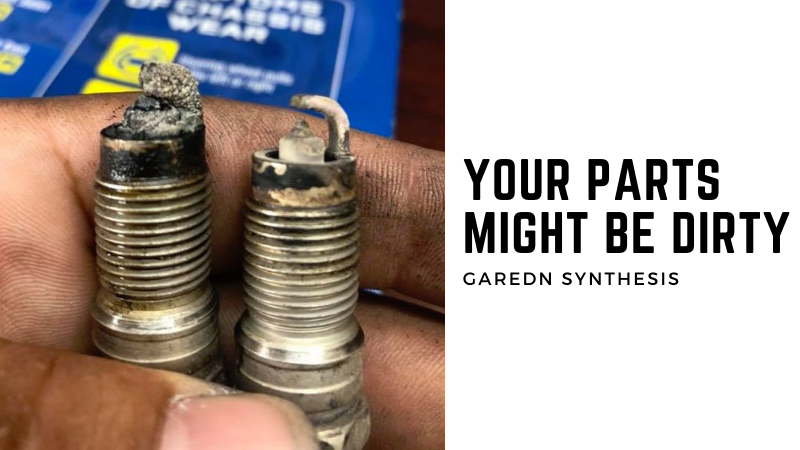
Before you start scrubbing, look at what you have. A sooty, dry black coating points to carbon fouling from a rich fuel mixture or a dirty air filter. A wet, oily black coating means oil is entering the combustion chamber — a more serious issue that cleaning alone won't fix permanently.
Step 2 — Clean the Carbon Deposits
- Spray carburetor cleaner generously onto the electrode, insulator tip, and threaded area
- Let it soak for 2–3 minutes to loosen hardened carbon
- Scrub the electrode and insulator with your wire brush using firm circular motions
- Spray again and wipe clean with a rag
- Use compressed air to remove loose carbon from the threads and electrode gap
- Repeat the scrub-and-spray cycle until the insulator turns light grey or tan
Pro tip: The ideal cleaned plug looks light grey or tan — not white. If you scrub down to white, you've removed the oxide layer, and the plug will foul again faster than before.
Step 3 — Re-Gap and Reinstall
After cleaning, check the electrode gap with your feeler gauge. Most lawn mower engines call for a gap between 0.020" and 0.030" — consult your owner's manual for the exact specification. Gently bend the side electrode to adjust. Thread the plug in by hand first to avoid cross-threading, then torque to spec (typically 15–20 ft-lbs for most mower engines). Reconnect the spark plug wire until you hear it click firmly into the boot. Start the engine and listen for smooth, consistent firing.
Clean or Replace? The Real Pros and Cons
Cleaning saves money and takes less time than a trip to the hardware store. But cleaning isn't always the right call. Here's an honest comparison of both options so you can make the right decision for your specific situation.
When Cleaning Is Enough
Cleaning is the right move when the plug shows dry carbon fouling with no physical damage — no cracks in the ceramic, no eroded electrode, and the gap can still be properly set with a feeler gauge. If your mower has been sitting in storage with old fuel, or if you recently fixed a carburetor issue, cleaning is the faster and cheaper fix. A quality spark plug only costs $3–$8, but if cleaning extends the plug's life another season, that's money back in your pocket.
When You Need a New Plug
Replace immediately if you see any of the following:
- Cracked or chipped ceramic insulator
- Eroded, rounded, or pitted center electrode
- Oil fouling that returns within a few hours of cleaning
- The plug fails a spark test even after thorough cleaning
- Damaged threads or a plug that won't seat squarely in the head
Warning: Never reuse a plug with a cracked insulator — it misfires unpredictably and can cause the engine to stall mid-mow or refuse to start entirely.
| Condition | Appearance | Likely Cause | Recommended Action |
|---|---|---|---|
| Carbon Fouling | Dry, sooty black coating | Rich fuel mixture, clogged air filter | Clean plug; fix air filter or carburetor |
| Oil Fouling | Wet, oily black deposit | Worn piston rings or valve seals | Replace plug; diagnose engine wear |
| Normal Wear | Light grey or tan tip | Correct air-fuel combustion | Re-gap and continue using |
| Overheating | White or blistered insulator | Lean mixture or wrong heat range | Replace plug; check fuel system |
| Physical Damage | Cracked insulator, eroded electrode | Age, detonation, improper torque | Replace immediately |
Spark Plug Myths That Are Wasting Your Time
Bad advice about spark plugs circulates endlessly in online forums and backyard garages. Here are three myths that actively prevent people from diagnosing their mower problems correctly — and what the evidence actually shows.
Myth: A Black Plug Always Means Replace It
This one costs people money unnecessarily. A dry, carbon-fouled plug is almost always salvageable — and cleaning it takes less than 15 minutes. The "just replace it" advice made more sense decades ago when carb cleaning was complicated and plugs were more fragile. Today, a quality wire brush and a can of carburetor cleaner will restore most fouled plugs to full function. Save replacement for physical damage, oil fouling, and plugs that fail a spark test after cleaning.
Myth: Any Spark Plug Fits Any Lawn Mower
Plug specifications vary significantly by engine design. Thread diameter, reach (thread length), heat range, and electrode gap are all specific to your engine model. Installing the wrong heat range is particularly damaging: an overly cold plug fouls black within hours; an overly hot plug causes pre-ignition and can melt the electrode entirely. Always cross-reference your owner's manual or the NGK and Champion plug lookup tools before purchasing any replacement. The part number printed on your current plug is your starting point.
Myth: Running Rich Protects the Engine
Some people deliberately tune their carburetor to run rich, believing extra fuel cools and cushions the engine internals. This is incorrect. Running rich is the primary cause of carbon fouling, and it also washes the protective oil film from cylinder walls, accelerating wear. A correctly tuned carburetor — neither too rich nor too lean — produces the cleanest combustion, the lowest carbon buildup, and the longest engine life. If in doubt, a small engine technician can confirm your mixture setting in minutes.
Simple Fixes vs. Advanced Diagnostics
If you're new to small engine maintenance, the cleaning steps above are well within your skill level — no special training required. But if the plug keeps blackening after two or three cleans, the problem goes deeper and the diagnostic work changes significantly.
What You Can Fix at Home
Most black spark plug problems trace back to dirty or faulty components that any homeowner can address without professional help:
- Clean or replace the air filter — a clogged filter starves the engine of air, instantly creating a rich condition that blackens plugs. Paper filters are inexpensive to replace; foam filters can be washed, dried, and re-oiled.
- Drain and replace stale fuel — gasoline that has been sitting more than 30 days degrades and burns poorly. Drain the tank completely and refill with fresh fuel before testing the plug.
- Adjust the carburetor's mixture screw — a small clockwise turn (one-quarter turn at a time) leans out an overly rich mixture. Locate the low-speed mixture screw, adjust incrementally, and test after each adjustment.
- Inspect the choke plate — a choke that stays partially closed after warm-up keeps the engine running rich indefinitely. Check for sticking, binding, or a broken return spring.
Keeping your mower in top shape is the foundation of a healthy lawn — from mowing to overseeding with a lawn spreader, every task works better when your equipment is reliable and properly maintained throughout the season.
When to Dig Deeper
If cleaning the plug, replacing the air filter, and refreshing the fuel don't stop the fouling, you're dealing with an internal engine problem. The two most likely causes are worn piston rings (which allow oil to enter the combustion chamber and coat the plug in wet black soot) and a sticking or leaking intake valve. Both require disassembling the engine top end — a job that benefits from a service manual and prior mechanical experience.
A compression test tells you quickly whether the rings are worn. You can rent a compression tester from most auto parts stores for a few dollars. A reading below 90 psi on a single-cylinder mower engine typically indicates ring or valve wear. At that point, weigh the repair cost against the mower's age and overall condition. If your mower has a dead battery alongside the plug issue, our guide on whether lawn mower batteries can be recharged walks you through diagnosing and restoring battery health at the same time.
Frequently Asked Questions
How often should I clean my lawn mower spark plug?
Clean the spark plug at the start of each mowing season and inspect it every 25 hours of engine use. If you mow weekly during the growing season, that means one mid-season inspection in addition to your annual clean. If you notice hard starts, rough running, or a drop in power at any point, check the plug immediately regardless of how many hours are on it.
Can a black spark plug prevent a lawn mower from starting?
Yes. A heavily carbon-fouled plug cannot generate a consistent spark, which means the engine won't reliably ignite the air-fuel mixture. You may get intermittent starts, a weak and sputtering engine, or no start at all. Cleaning or replacing a fouled plug is one of the first diagnostic steps when a mower refuses to start or runs erratically.
What is the correct spark plug gap for a lawn mower?
Most single-cylinder lawn mower engines require a gap between 0.020" and 0.030" (0.5mm–0.76mm), but the exact specification depends on your engine model. Always verify in your owner's manual or by looking up your engine model number online. An incorrect gap — whether too wide or too narrow — causes misfires and hard starts even with a perfectly clean plug.
Key Takeaways
- A black spark plug is caused by carbon fouling from a rich fuel mixture, a clogged air filter, or oil contamination — identifying which one determines whether cleaning is sufficient or a deeper repair is required.
- Knowing how to clean black spark plugs correctly (carburetor cleaner, wire brush, and re-gapping to spec) restores performance in under 15 minutes and eliminates the need for replacement in most cases.
- Always fix the root cause — cleaning a fouled plug while leaving a dirty air filter or miscalibrated carburetor in place guarantees the problem returns within a few hours of use.
- Replace the plug without hesitation if the ceramic insulator is cracked, the electrode is visibly eroded, or oil fouling keeps recurring despite addressing the obvious mechanical causes.


About Lee Safin
Lee Safin was born near Sacramento, California on a prune growing farm. His parents were immigrants from Russia who had fled the Bolshevik Revolution. They were determined to give their children a better life than they had known. Education was the key for Lee and his siblings, so they could make their own way in the world. Lee attended five universities, where he studied plant sciences and soil technologies. He also has many years of experience in the U.S. Department of Agriculture as a commercial fertilizer formulator.
Get FREE Gardening Gifts now. Or latest free toolsets from our best collections.
Disable Ad block to get all the secrets. Once done, hit any button below