Are you staring at two mowers side by side, both wearing a Kawasaki badge, wondering which one actually belongs on your trailer? The difference between Kawasaki FR FS engines is more consequential than most buyers expect — and the short answer is that the FR is Kawasaki's commercial-entry engine built for serious homeowners and light operators, while the FS steps up with refined engineering designed for daily professional use. Getting this choice right means years of reliable service. Get it wrong and you're either overpaying for power you don't use, or burning through an engine faster than you should. For more guidance on choosing the right lawn tools, visit our gardening tips section.
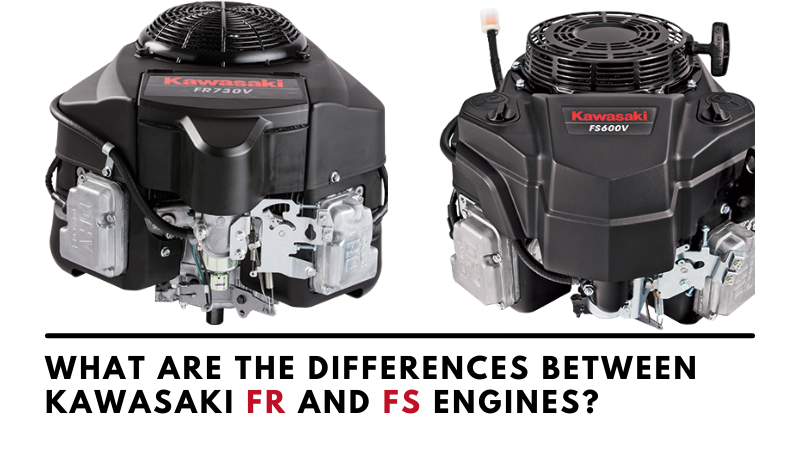
Both engines belong to Kawasaki's lineup for zero-turn mowers, stand-on units, and walk-behind commercial cutters. They share genuine commercial-grade DNA — cast iron cylinder liners, V-twin configuration, high-energy ignition, and dual-element air filtration. But the engineering choices that separate them determine how your engine handles heat, how long it holds up under continuous load, and ultimately how much you spend both upfront and in maintenance over its lifetime.
Understanding these differences isn't just useful if you're shopping. It matters when you already own one of these engines and need to service it correctly, order the right parts, or decide whether it's time to upgrade.
Contents
The Kawasaki Engine Family: Where FR and FS Fit In
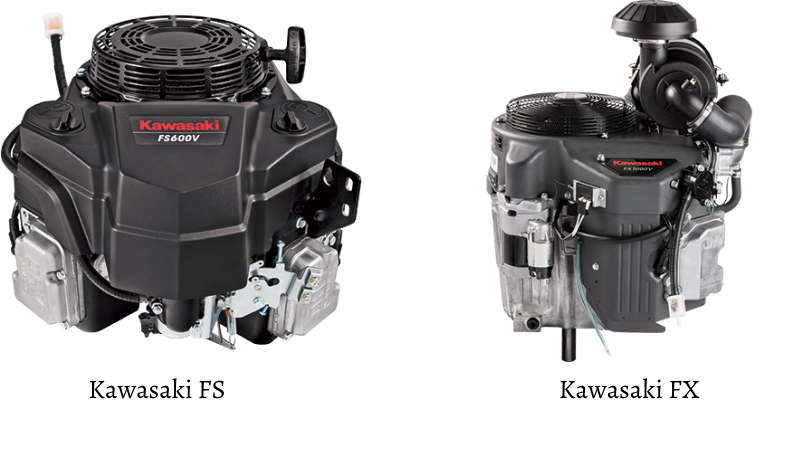
Kawasaki has manufactured small engines for outdoor power equipment for decades, building a tiered lineup that spans from residential all the way to the most demanding professional applications. At the top sits the FX series — heavy-duty commercial engines found on the most rigorous professional equipment. Below that are the FS and FR series, with the Kawasaki Heavy Industries brand backing both with the same reputation for durability that the company's motorcycles and industrial products carry.
A Platform Built for Outdoor Power
Both the FR and FS series use a 90-degree V-twin configuration — two cylinders angled apart for smoother operation and reduced vibration compared to a single-cylinder engine. This layout is standard across commercial mower engines because it delivers torque more evenly over every rotation, reducing operator fatigue on long cutting days. Both series are available in displacements ranging from roughly 481cc to 726cc, giving mower manufacturers the flexibility to match engine output to deck size and intended duty cycle.
How the Two Series Are Positioned
The FR series is designed for homeowners with large properties and entry-level commercial operators who need genuine commercial-grade construction without the full professional price tag. It's a meaningful step above consumer engines in durability and heat management, but it's engineered for seasonal or moderate weekly use rather than punishing daily schedules. The FS series is aimed squarely at professional landscapers and commercial operators who run their mowers hard, day after day, across multiple properties. Every engineering refinement in the FS directly addresses the wear and thermal stress that heavy-duty use imposes on an engine.
Side-by-Side: Core Technical Differences
When you examine the specs closely, the difference between Kawasaki FR FS engines becomes concrete and measurable. These aren't just marketing labels applied to essentially identical machines. They're distinct engineering decisions with real consequences for performance and longevity under stress.
Engine Construction and Materials
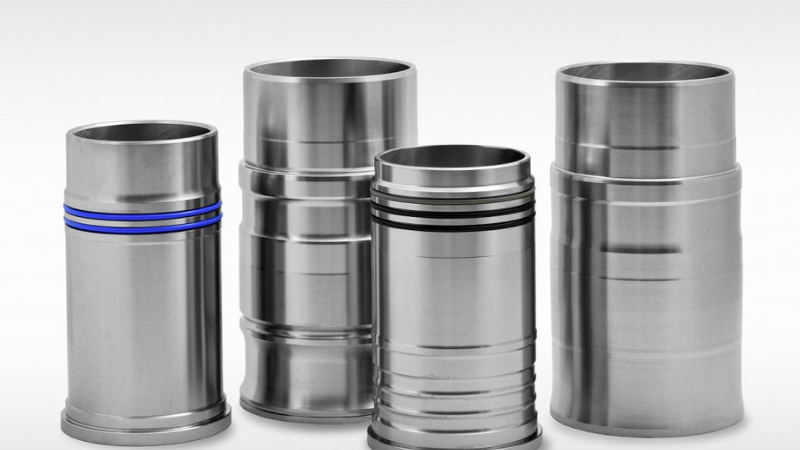
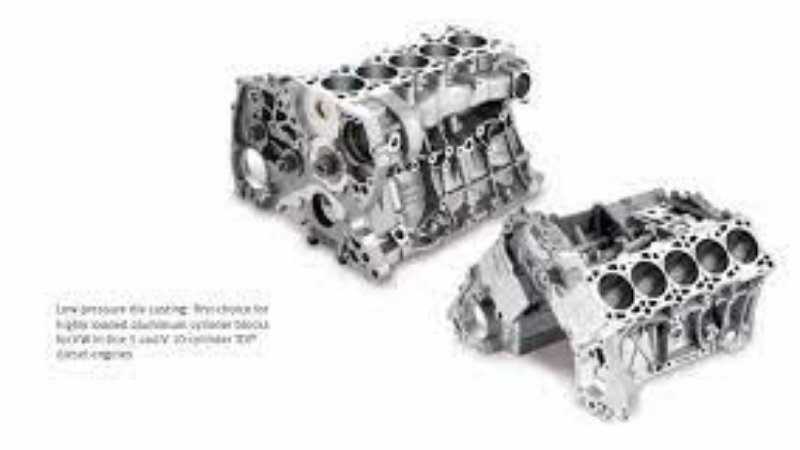
Both series feature cast iron cylinder liners — a critical advantage over aluminum-bore engines that wear faster under high heat and lose tolerance more quickly. Cast iron resists scoring and maintains cylinder geometry over thousands of hours. Paired with high-pressure die-cast aluminum blocks and heads, both engines hit a strong balance between structural rigidity and low weight.
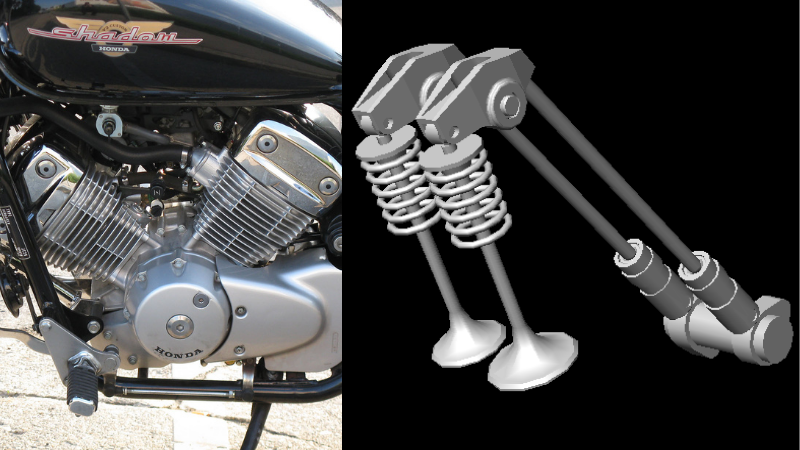
Where the two series diverge is in valve design and carburetion. The FR uses a conventional OHV configuration. The FS upgrades to Kawasaki's 90-degree V-twin overhead V-valve technology, which optimizes combustion chamber geometry for better fuel burn and lower heat generation per cycle. The FS also pairs this with a Mikuni dual-throat carburetor, which delivers more precise fuel delivery than the standard float carburetor on the FR — particularly noticeable under varying load conditions like thick grass or uneven terrain.
Lubrication, Ignition, and Air Filtration
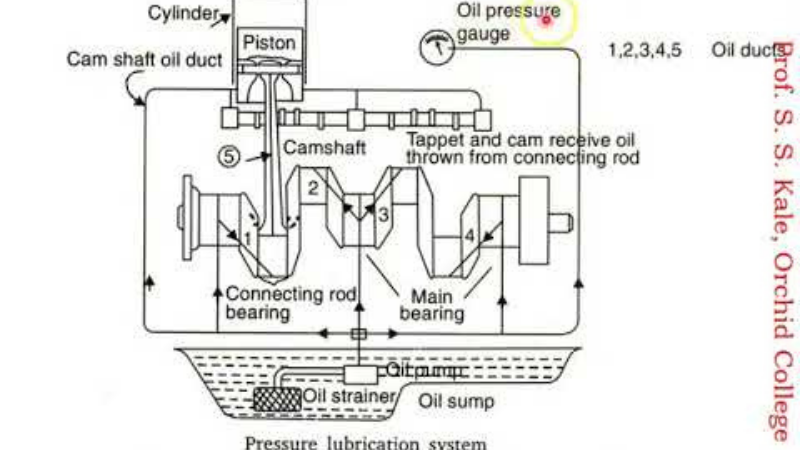
The FS uses a full-pressure lubrication system with a spin-on oil filter — continuously forcing filtered oil under pressure to every critical bearing surface, including the crankshaft, connecting rods, and camshaft. The FR uses a pressurized system as well, but without the spin-on filter that gives the FS its edge in oil cleanliness under sustained heavy loads. Oil contamination remains the leading cause of premature engine failure, and better filtration is the most direct lever you have against it. If you've ever dealt with ignition problems on a mower engine, you already know how quickly small combustion inefficiencies compound — understanding what causes a lawn mower spark plug to turn black is directly relevant to the combustion quality these engines are engineered to maintain.
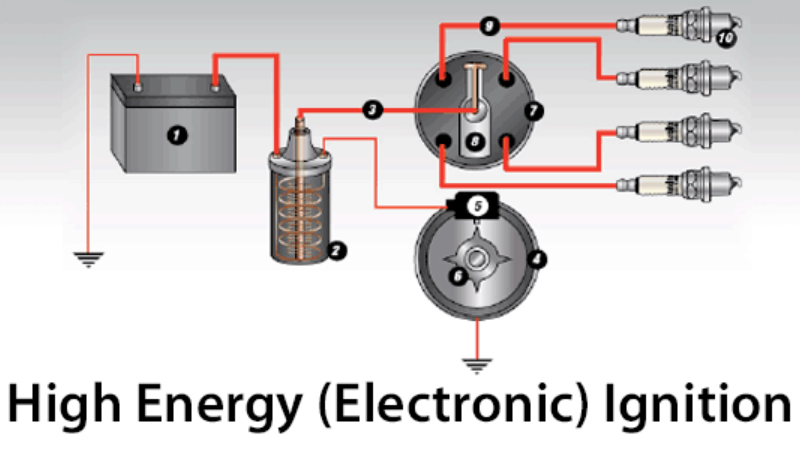
Both engines share high-energy electronic ignition and dual-element air filtration — a primary paper element backed by a foam pre-cleaner that captures debris before it reaches the carburetor. In dusty mowing conditions, this dual-stage setup significantly outperforms single-element filters. These shared features are part of why both series represent a genuine step up from consumer-grade engines, regardless of which one you choose. The ignition system design on both Kawasaki series is considerably more robust than what you'd find on a standard consumer engine — much like how lawn mower spark plugs differ from car spark plugs in ways that matter for engine longevity.
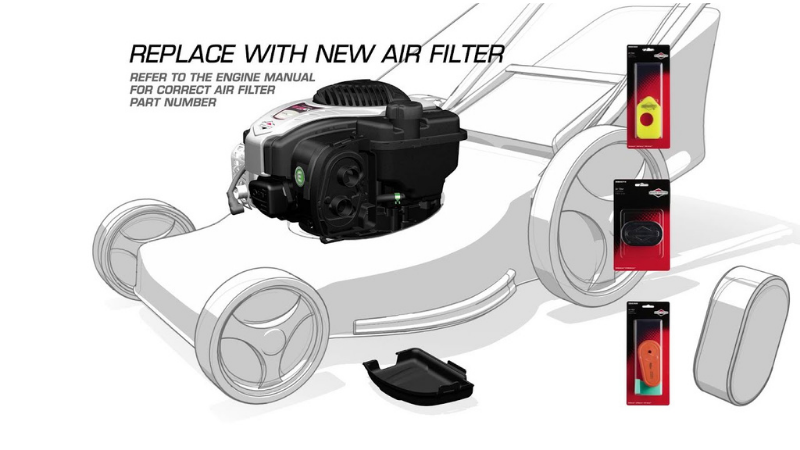
Pro tip: On either engine, replace the air filter pre-cleaner foam every 25 hours in dusty conditions — not just the paper element. A clogged pre-cleaner forces the paper element to work harder and cuts its service life in half.
| Feature | Kawasaki FR Series | Kawasaki FS Series |
|---|---|---|
| Engine Configuration | 90° V-twin OHV | 90° V-twin OHV (V-valve) |
| Cylinder Liners | Cast iron | Cast iron |
| Displacement Range | 541cc – 726cc | 481cc – 726cc |
| Carburetor | Standard float type | Mikuni dual-throat |
| Lubrication System | Pressurized | Full-pressure with spin-on oil filter |
| Air Filtration | Dual-element (paper + foam) | Dual-element (paper + foam) |
| Ignition | High-energy electronic | High-energy electronic |
| Primary Use Case | Residential / light commercial | Commercial / professional daily use |
What FR and FS Engines Actually Cost
Price Ranges and Mower Tiers
You won't typically buy these engines standalone — they come installed in zero-turn and walk-behind mowers. FR-powered machines generally land in the $2,500–$4,500 range for residential zero-turns. FS-equipped mowers typically start around $4,000 and can push past $7,000 for full commercial configurations with wider decks and heavier-duty frames. The engine itself accounts for a meaningful portion of that price difference, but the rest comes from the commercial-grade transmissions, spindles, and fabricated decks that manufacturers pair with FS engines.
Budget warning: The temptation to save money by dropping down to a consumer-grade engine is far more dangerous than choosing FR over FS — the gap between consumer and commercial construction is wider than the gap between FR and FS.
Long-Term Value and Maintenance Costs
The FR delivers excellent value for homeowners logging 50–150 hours per season. With consistent maintenance — oil changes every 100 hours, air filter service every 25–50 hours, and annual spark plug replacement — an FR engine will provide reliable service for well over a decade under normal residential use. The FS, because of its superior lubrication filtration and combustion efficiency, is built to sustain commercial hours without the accelerated wear that would compromise an FR under the same conditions.
Maintenance schedules are largely similar between both series. The FS adds a spin-on oil filter change to your regular service routine — a ten-minute task that has an outsized impact on internal engine cleanliness and long-term reliability. Both engines have excellent parts availability through Kawasaki's dealer network, keeping repair costs manageable throughout their service life.
How to Choose the Right Kawasaki Engine for Your Needs
Assessing Your Lawn and Use Case
The biggest mistake buyers make is sizing their engine to their acreage rather than their hours. A homeowner with three acres mowing once a week is a completely different user than a landscaper cutting two acres six days a week. Before you spend anything, be direct with yourself about how you actually use the machine.
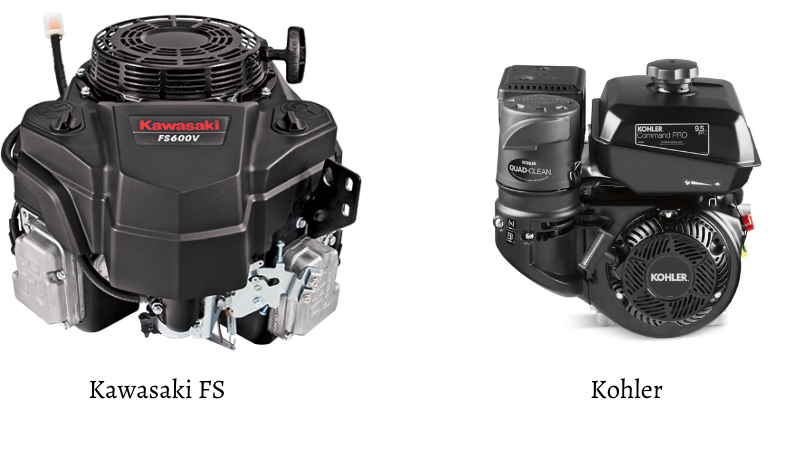
- FR series is the right call if you maintain a residential property, mow seasonally, and want genuine commercial-grade reliability without a commercial price tag.
- FS series is the right call if you run a lawn care operation, log 300+ hours a year, or regularly mow thick, wet, or heavily overgrown turf that puts continuous high load on the engine.
A Simple Decision Framework
Start with your annual hours. Under 200 hours per year — the FR handles that comfortably for many seasons. Over 300 hours per year — the FS's full-pressure lubrication and Mikuni carburetion give you the engineering headroom to avoid premature wear and costly rebuilds. This single number is a more reliable guide than deck size, property acreage, or mower brand.
Next, consider your mowing conditions. Larger decks — 52 inches and up — demand sustained torque under load, especially in thick or damp grass. Both Kawasaki series manage this, but the FS gives you more thermal and mechanical margin when conditions are consistently demanding. If you mow wet turf regularly or run a 60-inch deck commercially, choose the FS without hesitation.
Finally, think about your service access before you commit. Both engines are well-supported through Kawasaki's dealer network, but confirm you have a qualified shop within reach. Regular, correct servicing is what separates a 1,500-hour engine from a 500-hour one — regardless of which series is under your hood.
Know your hours, not just your acres — that single number tells you everything you need to choose between the FR and FS, and getting it right is the difference between an engine that lasts and one that doesn't.


About Lee Safin
Lee Safin was born near Sacramento, California on a prune growing farm. His parents were immigrants from Russia who had fled the Bolshevik Revolution. They were determined to give their children a better life than they had known. Education was the key for Lee and his siblings, so they could make their own way in the world. Lee attended five universities, where he studied plant sciences and soil technologies. He also has many years of experience in the U.S. Department of Agriculture as a commercial fertilizer formulator.
Get FREE Gardening Gifts now. Or latest free toolsets from our best collections.
Disable Ad block to get all the secrets. Once done, hit any button below