Ever wondered exactly how much oil your Honda 160cc mower actually holds — and what happens when you fill it wrong? Here's the short answer: the Honda 160cc lawn mower oil capacity is typically 0.58 quarts (about 550ml or 18.6 fl oz). Too little and your engine overheats. Too much and you risk blown seals, a smoking exhaust, and fouled spark plugs. This guide gives you the exact numbers, the right oil type, a step-by-step change process, and the mistakes that trip up most mower owners.

The Honda GCV160 is one of the most common small engines found in residential walk-behind mowers. If you spot a "GCV160" label near the engine housing, everything in this guide applies directly to you. And if you're just getting started with yard care, these gardening tips can help you build a full maintenance routine beyond just the mower.
Oil is your engine's lifeblood. A properly maintained Honda mower can run reliably for a decade or more. A neglected one can seize in a single season. Getting the oil right is one of the simplest things you can do — and one of the most important.
Contents
- Understanding the Honda 160cc Lawn Mower Oil Capacity
- Tools and Supplies You'll Need Before You Start
- How to Check and Change Your Honda Mower Oil Step by Step
- When to Change Your Oil — and When You Can Wait
- Mistakes That Can Damage Your Honda Engine
- Best Practices to Keep Your Honda Running Strong
- Frequently Asked Questions
Understanding the Honda 160cc Lawn Mower Oil Capacity
What the GCV160 Engine Is
The "160cc" refers to the engine's displacement — the total volume of air and fuel that can fit inside the combustion chamber. It's a compact, single-cylinder, overhead-cam engine built for efficiency and durability. Honda introduced the GCV series to replace older OHV (overhead valve) designs, and the GCV160 quickly became the go-to engine for mid-range residential mowers.
The oil capacity for the GCV160 stays consistent across most configurations: 0.58 quarts. That said, some models with an oil filter or angled engine mounts may hold slightly more. Always cross-check your owner's manual if you're unsure.
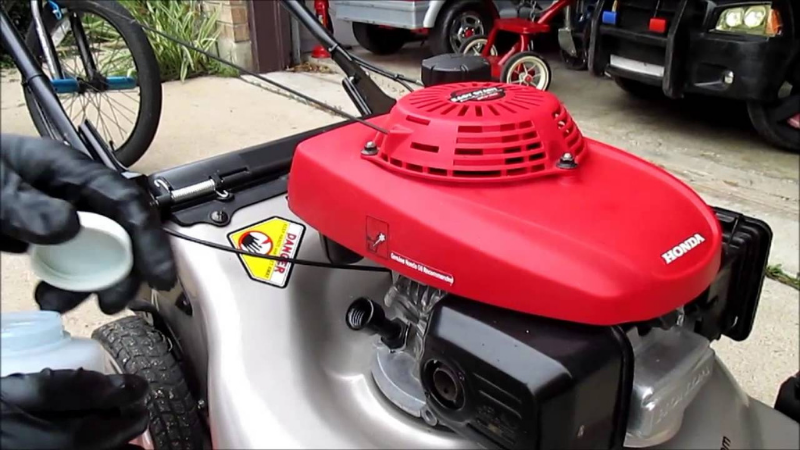
| Engine Model | Oil Capacity (quarts) | Oil Capacity (ml) | Recommended Oil |
|---|---|---|---|
| Honda GCV160 | 0.58 qt | ~550 ml | SAE 10W-30 |
| Honda GCV160A | 0.58 qt | ~550 ml | SAE 10W-30 |
| Honda GCV160E | 0.58 qt | ~550 ml | SAE 10W-30 |
| Honda GCV190 | 0.63 qt | ~600 ml | SAE 10W-30 |
Recommended Oil Grades by Temperature
Honda officially recommends SAE 10W-30 for most conditions. However, temperature plays a role in which grade works best:
- Above 100°F (38°C): SAE 30 or 10W-30
- 32°F to 100°F (0°C to 38°C): SAE 10W-30 (most common)
- Below 32°F (0°C): SAE 5W-30 or 0W-30
According to Wikipedia's guide on motor oil, viscosity ratings like 10W-30 describe how the oil flows at low temperatures (the "10W") versus high operating temperatures (the "30"). Choosing the right grade protects your engine across all weather conditions.
Tools and Supplies You'll Need Before You Start
Basic Tools
You don't need a garage full of gear to change your mower's oil. Here's what to round up:
- Oil drain pan or a clean container (at least 1 quart capacity)
- Small funnel with a flexible neck
- Clean rags or paper towels
- Wrench (if your model has a drain plug bolt)
- Disposable gloves
What Oil to Buy
Pick up a fresh bottle of SAE 10W-30 motor oil rated for four-stroke engines (not two-stroke). Do not use two-stroke or synthetic two-stroke oil — that's a common and costly mistake. A 32 oz bottle is more than enough for a single change.
Pro tip: Buy a small bottle of fresh oil rather than using a half-open one that's been sitting on the shelf — old, oxidized oil does your engine no favors.
If you're also dealing with other small engine issues, our guide on what causes a lawn mower spark plug to turn black covers another common maintenance problem that goes hand in hand with oil care.
How to Check and Change Your Honda Mower Oil Step by Step
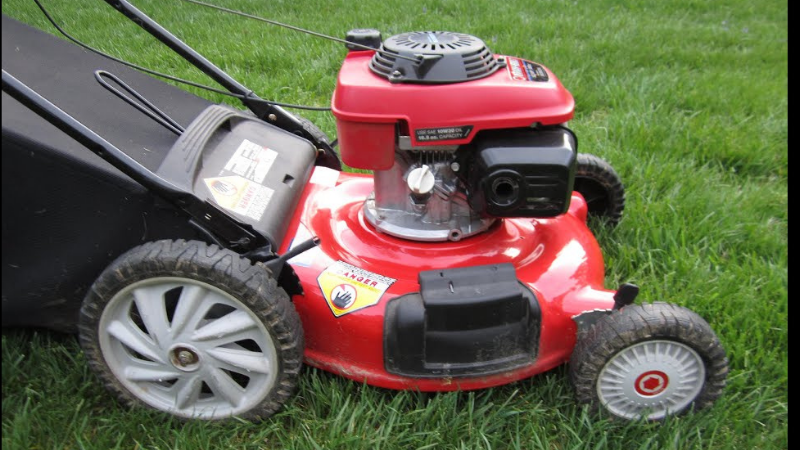
Checking the Oil Level
- Park the mower on a flat, level surface. An angled surface gives you a false reading.
- Disconnect the spark plug wire as a safety measure before doing anything else.
- Locate the oil fill cap — it usually has an oil can icon on it.
- Unscrew the cap and pull out the attached dipstick.
- Wipe the dipstick clean with a rag, reinsert it fully, then pull it out again.
- Read the oil level. It should sit between the MIN and MAX marks on the dipstick.
- If it's below MIN, add a small amount of oil. If it's at or near MAX, you're good to go.
Draining the Old Oil and Refilling
- Run the engine for 1–2 minutes first. Warm oil drains faster and more completely than cold oil.
- Shut off the engine and disconnect the spark plug wire again.
- Place your drain pan under the oil fill port or drain plug, depending on your model.
- Tilt the mower toward the drain side (or use a drain plug wrench) to empty the old oil.
- Let it drain for 3–5 minutes until flow stops.
- Reattach the drain plug or return the mower to level position.
- Using a funnel, slowly pour in fresh SAE 10W-30 oil. Add about 0.5 quarts first.
- Check with the dipstick. Add small amounts until you reach the MAX line. Do not go over.
- Replace the oil fill cap securely. Reconnect the spark plug wire. You're done.
When to Change Your Oil — and When You Can Wait

Signs It's Time for a Change
Honda recommends changing your GCV160 oil in these situations:
- After the first 5 hours of use on a brand-new engine (break-in change)
- Every 50 hours of normal operation, or once per mowing season — whichever comes first
- When the oil appears dark black or gritty on the dipstick
- When the engine runs louder or hotter than normal
- After mowing in very dusty or dirty conditions
- After any engine has been overheated or starved of oil
If you're also evaluating other power equipment, it's worth reading about the differences between Kawasaki FR and FS engines — knowing how different small engines compare helps you make smarter maintenance decisions across the board.
When You Can Hold Off
Not every situation demands an immediate change. You can wait if:
- The oil is still light amber or golden on the dipstick
- You changed it fewer than 20 hours ago under clean conditions
- Your mower sits in storage and hasn't been used since the last change
One exception: if your mower has been in long-term storage, change the oil before starting it again regardless of appearance. Oil degrades over time even without use.
Mistakes That Can Damage Your Honda Engine
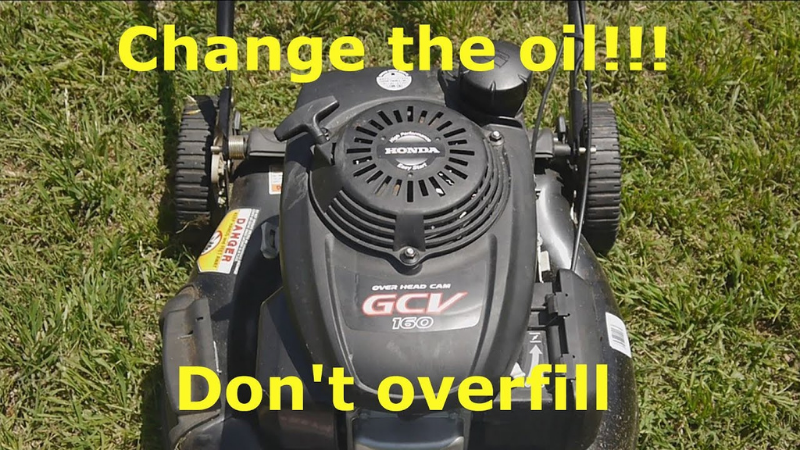
Overfilling the Oil
This is the most common mistake. More oil does not mean more protection. When you overfill past the MAX line on the dipstick:
- The oil foams up as the crankshaft churns through it
- Foamy oil loses its lubricating properties
- Pressure builds up and can blow out crankshaft seals
- Oil may be pushed into the air filter, causing smoking or a no-start condition
Always check the dipstick after adding oil and stop filling before you reach the MAX mark.

Using the Wrong Oil Type
Other common errors that shorten engine life:
- Using two-stroke oil — it won't mix properly in a four-stroke engine and causes smoke and residue buildup
- Using old or contaminated oil from an open container
- Skipping the break-in oil change on a new engine
- Ignoring a low oil alert and continuing to mow
- Using a high-mileage or diesel-rated oil not suited for small air-cooled engines
Warning: Running your Honda mower even briefly with no oil — or critically low oil — can seize the engine completely. That's not a repair. That's a replacement.
Best Practices to Keep Your Honda Running Strong
Building a Maintenance Routine
A simple schedule goes a long way. Here's a routine that most homeowners can stick to:
- Before every use: Check the oil level with the dipstick. Takes 30 seconds.
- Every 25 hours: Inspect air filter and clean if dusty.
- Every 50 hours or each season: Full oil change, spark plug check, blade inspection.
- End of season: Drain or stabilize the fuel, change oil before storage.
Mowing your lawn well also means thinking about what happens after — like how to handle those clippings. Check out our guide on whether grass clippings make good fertilizer to get more out of every mow. If your mower is battery-powered, you might also want to know whether lawn mower batteries can be recharged to extend their lifespan the same way you would with your engine oil.
For anyone new to the world of lawn and garden care, our 32 gardening tips for beginners is a great place to build out your full routine.
Storing Your Mower Properly
Off-season storage is where many engines get damaged. Follow these steps when putting your mower away:
- Run the engine until the fuel is consumed, or add fuel stabilizer to the tank.
- Do a fresh oil change — old oil has acid and moisture that corrode internal parts.
- Clean under the deck to remove dried grass and debris.
- Store in a dry, covered location away from temperature extremes.
- Cover the air intake with a clean rag to keep bugs and moisture out.
Frequently Asked Questions
What is the Honda 160cc lawn mower oil capacity?
The Honda GCV160 engine holds approximately 0.58 quarts (550ml or about 18.6 fl oz) of oil. Always confirm with your specific model's owner's manual, as slight variations exist across different mower configurations.
What type of oil does a Honda GCV160 take?
Honda recommends SAE 10W-30 for most conditions. In extreme heat above 100°F, SAE 30 works well. In temperatures below freezing, use SAE 5W-30 or 0W-30 for easier cold starts.
How often should you change the oil in a Honda 160cc mower?
Change the oil every 50 hours of use, or at the start of each mowing season — whichever comes first. Also do a break-in oil change after the first 5 hours on a brand-new engine.
What happens if you overfill the oil in a Honda lawn mower?
Overfilling causes the oil to foam, which reduces its lubricating ability. It can also force oil into the air filter and blow out crankshaft seals. Always stop filling at the MAX dipstick mark.
Can I use synthetic oil in my Honda GCV160?
Yes, you can use full synthetic or synthetic-blend SAE 10W-30. Synthetic oil can offer better performance in extreme temperatures, but conventional 10W-30 is perfectly adequate for normal residential mowing use.
What happens if you run a Honda mower without oil?
Running without oil causes metal parts to grind together without lubrication. Friction builds up rapidly, temperatures spike, and the engine can seize — meaning it locks up permanently. This is almost always an unrepairable failure.
How do I check the oil level on a Honda GCV160?
Place the mower on a flat surface. Remove the oil fill cap (which has a built-in dipstick), wipe it clean, reinsert fully, then pull it out again to read the level. The oil should fall between the MIN and MAX marks.
Does the Honda GCV160 have an oil filter?
Most standard GCV160 walk-behind mower configurations do not include an oil filter — they rely on oil changes for maintaining clean lubrication. Some higher-end commercial configurations may include one. Check your owner's manual to be sure.
The right amount of oil, changed on time, is the single cheapest insurance policy your Honda engine will ever have.


About Lee Safin
Lee Safin was born near Sacramento, California on a prune growing farm. His parents were immigrants from Russia who had fled the Bolshevik Revolution. They were determined to give their children a better life than they had known. Education was the key for Lee and his siblings, so they could make their own way in the world. Lee attended five universities, where he studied plant sciences and soil technologies. He also has many years of experience in the U.S. Department of Agriculture as a commercial fertilizer formulator.
Get FREE Gardening Gifts now. Or latest free toolsets from our best collections.
Disable Ad block to get all the secrets. Once done, hit any button below