Have you ever walked out to your mower on a warm morning, turned the key, and heard nothing but a slow, clicking silence? That frustrating moment is more preventable than most gardeners realize. Knowing how to recharge lawn mower batteries the right way is one of those skills that quietly saves you money season after season. Whether you run a riding mower, a zero-turn, or a cordless push model, proper battery care belongs in every gardener's toolkit — right alongside the other essentials you'll find in our gardening tips section.
Yes — lawn mower batteries can absolutely be recharged. Most batteries in riding mowers and cordless models are designed for repeated charge cycles. The difference between a battery that dies after two seasons and one that lasts five or more almost always comes down to how it's charged and maintained along the way.
This guide walks through six key areas: the charging mistakes that silently kill batteries, a step-by-step process, the tools you need, persistent myths, when and when not to charge, and a long-term maintenance routine. If you're already thinking about broader mower upkeep, it's also worth knowing whether lawn mower spark plugs work the same as car spark plugs — every component deserves attention.
Contents
Charging Blunders That Quietly Drain Battery Life
Most battery problems don't start on the lawn. They start in the garage, during or after the charging session. A few common habits can quietly destroy a battery's capacity over time — even when you think you're doing everything right.
Using the Wrong Charger
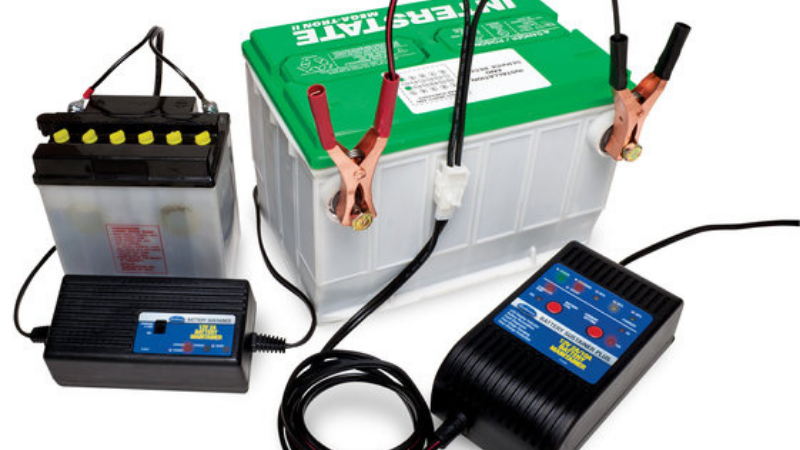
This is the number one mistake. Lawn mower batteries — especially sealed lead-acid (SLA) types — require a charger matched to their voltage and chemistry. Plugging a 12V SLA battery into a fast charger built for lithium packs can overheat the cells and cause permanent damage. Always check the voltage rating and battery type on the label before you connect anything.
- SLA batteries typically need a slow trickle charge at around 10% of their amp-hour rating
- Lithium-ion batteries require a charger with a built-in battery management system (BMS)
- Nickel-cadmium (NiCd) batteries need a dedicated NiCd charger — substitutes won't do
Leaving It on Too Long
Overcharging is just as damaging as undercharging. When a lead-acid battery charges beyond capacity, it begins gassing off hydrogen and can warp the internal plates. Left unchecked, this shortens the battery's lifespan considerably. A smart charger with an automatic shutoff is your best defense. If you're using a basic charger, set a timer and check back regularly rather than leaving it overnight and hoping for the best.
How to Recharge Lawn Mower Batteries Step by Step
Once you know what to avoid, the actual process of how to recharge lawn mower batteries is straightforward. Follow these steps consistently and you'll get significantly more life out of each battery.
Gather Your Supplies First
Before connecting anything, make sure you have:
- The correct charger for your battery type (check your owner's manual)
- Safety gloves and eye protection
- A clean, dry workspace away from flammable materials
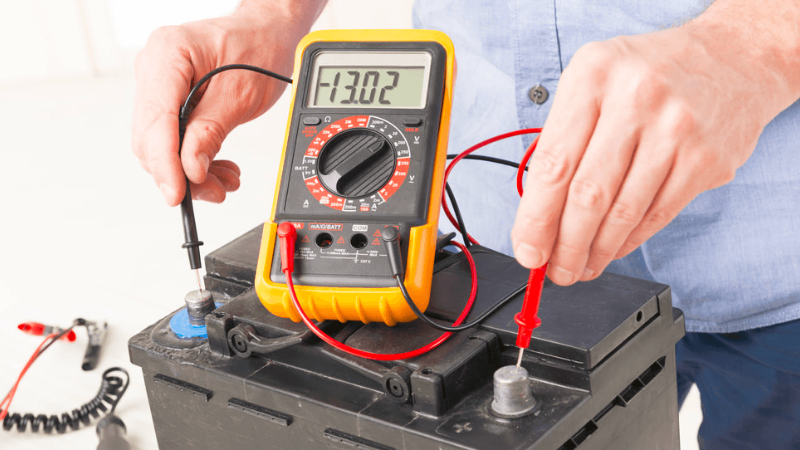
- A multimeter, if you want to confirm voltage before and after
Safety first: Always charge in a well-ventilated space — lead-acid batteries can emit hydrogen gas during charging, and you don't want that building up in an enclosed garage.
The Charging Process
Work through these steps in order:
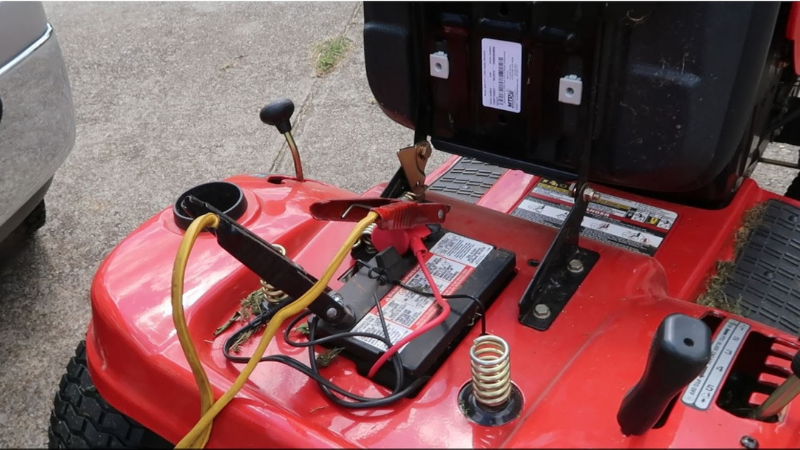
- Remove the battery from the mower if the charger requires a direct connection — some mowers allow in-place charging, but check your manual first.
- Clean the terminals with a dry cloth or terminal brush. Corrosion blocks a clean charge.
- Connect the charger clamps — positive (red) to positive terminal first, then negative (black) to negative.
- Set the charger to the correct voltage, usually 12V for most riding mowers.
- Charge until the indicator shows full, or until voltage reaches the manufacturer's recommended level.
- Disconnect in reverse order — negative first, then positive.
Tools and Equipment You Actually Need
You don't need a full workshop to charge a lawn mower battery safely. But having the right equipment makes the process cleaner, faster, and less risky.
Charger Types at a Glance
| Charger Type | Best For | Pros | Cons |
|---|---|---|---|
| Trickle Charger | SLA lead-acid batteries | Gentle on cells, low cost | Slow; no auto shutoff on basic models |
| Smart / Automatic Charger | SLA and AGM batteries | Auto shutoff, multi-stage charging | Higher upfront cost |
| Lithium-Specific Charger | Li-ion battery packs | Fast, BMS-compatible | Not compatible with lead-acid |
| Battery Maintainer / Float Charger | Off-season storage | Keeps battery topped up safely | Not designed for full recharges |
For most homeowners with a standard 12V riding mower battery, a smart automatic charger is the best all-around investment. It manages the charge rate on its own and stops when the battery is full, removing the guesswork entirely.
Optional but Helpful Tools
- Multimeter — measures battery voltage before and after charging; a healthy 12V battery should read around 12.6–12.8V when fully charged
- Terminal cleaning brush — clears corrosion quickly without damaging the posts
- Battery terminal protector spray — slows future corrosion buildup
- Battery load tester — tells you whether the battery can hold a charge under real-world conditions, not just at rest

Battery Myths Worth Setting Straight
Battery advice on the internet is a mixed bag. Some of it is solid. Some of it will actively damage your battery if you follow it. Here are the two most persistent myths you'll run into.
The Full Discharge Myth
You've probably heard that you should fully drain your battery before recharging it to "reset" its capacity. This advice originated with older nickel-cadmium batteries, which did suffer from a so-called memory effect. For modern SLA and lithium-ion batteries, the opposite is true. Deep discharges — letting the battery run completely flat — stress the cells and reduce overall capacity over time. Recharge before the battery drops below 20–30% capacity when possible. For a solid grounding in how lead-acid battery chemistry actually works, the Wikipedia entry on lead-acid batteries is worth a read.
The "Any Charger Will Do" Myth
Because many lawn mower batteries look similar and share the same 12V rating, it's easy to assume any 12V charger will work. Voltage is just one piece of the puzzle. Charge current, charge profile, and battery chemistry all matter. Using a car battery charger on a small SLA lawn mower battery, for example, can push current at a rate the battery isn't designed to handle — damaging cells and shortening lifespan in the process. Always use a charger rated for your specific battery type, and don't skip the manufacturer's instructions.
Knowing When to Charge — and When to Step Back
Timing matters more than most people expect. Charging at the wrong moment — or skipping a charge when you should have done it — can set your battery back more than you'd think. Recognizing the signals makes all the difference.
Signs It's Time to Charge
Watch for these indicators:
- The engine cranks slowly or fails to turn over at all
- Battery voltage reads below 12V on a multimeter
- The mower loses power mid-job, especially on inclines
- A battery warning light activates on your mower's dashboard
- The mower has sat unused for more than a month
A battery that sits discharged for too long undergoes a process called sulfation — sulfate crystals form on the lead plates and permanently reduce charging capacity. If your battery has been sitting flat all winter, it may still accept a charge, but its capacity will likely be reduced compared to a properly maintained unit.
Situations to Avoid
Not every charging situation is safe or productive. Keep these in mind:
- Don't charge immediately after heavy use — let the battery cool for 20–30 minutes first
- Don't charge in freezing temperatures — cold slows chemical reactions and can cause surface charging rather than a true full charge
- Don't charge a visibly swollen or cracked battery — replace it immediately
- Don't charge in an enclosed, poorly ventilated space
Building a Battery Maintenance Routine That Lasts
A single good charging session helps. A consistent routine is what actually extends battery life over the long haul. Think of it the same way you approach feeding your lawn — just as using the right lawn spreader at the right time gives your grass a better foundation, a steady battery care schedule gives your mower the reliability it needs across every season.
Seasonal Care
Battery needs shift with the seasons, and adjusting your approach accordingly pays off:
- Before mowing season: Fully charge the battery, inspect terminals for corrosion, and test voltage before the first cut of the year
- During mowing season: Recharge after long sessions; don't let the battery sit discharged overnight
- End of season: Fully charge before storing — never put a discharged battery away for winter
- During storage: Connect a battery maintainer or float charger to keep voltage stable; check it roughly once a month
Temperature is worth thinking about too. If your garage drops near or below freezing in winter, consider bringing the battery indoors during the coldest months. Batteries stored in the cold lose capacity faster and are more vulnerable to sulfation damage.
When to Replace Instead of Recharge
There comes a point where recharging is no longer the right answer. Watch for these signs that your battery has reached end of life:
- It won't hold a charge for more than a few minutes under use
- Charging takes significantly longer than it used to
- Voltage drops rapidly under even light load
- Visible damage — swelling, cracks, or corrosion that can't be cleaned off
Most lawn mower batteries last between three and five years with proper care. If yours is older than that and showing multiple warning signs, replacement is almost always the smarter investment than continued charging attempts on a failing unit.
Frequently Asked Questions
How long does it take to fully recharge a lawn mower battery?
Most 12V lawn mower batteries take between four and eight hours to charge fully with a standard trickle charger. A smart charger may finish faster depending on the current output. Avoid using a high-amperage car charger to speed things up — it can push more current than the battery is designed to handle and shorten its lifespan.
Can I leave my lawn mower battery on a trickle charger all winter?
A basic trickle charger without an automatic shutoff can overcharge the battery if left connected indefinitely. A battery maintainer or float charger is a better choice for long-term storage — it's designed to keep the battery at an optimal voltage level without overcharging. Use the right tool for the specific job, and you'll avoid a lot of headaches come spring.
What happens if I use the wrong charger on my lawn mower battery?
Using a charger with an incompatible voltage or charge profile can overheat the battery, reduce capacity, or — in more serious cases — cause swelling or electrolyte leakage. Always match the charger to your battery's chemistry and rated voltage. When you're unsure, your mower's owner manual or the battery manufacturer's spec sheet is the most reliable reference point.
Final Thoughts
Getting a handle on how to recharge lawn mower batteries correctly doesn't require much — just the right charger, a consistent process, and a bit of seasonal awareness. Start by verifying your charger matches your battery type, follow the step-by-step process outlined above, and set up a simple maintenance routine before and after each mowing season. Head over to your garage this weekend, check your battery's current voltage with a multimeter, and see where things stand — it takes five minutes and could easily add a year or two to your battery's life.


About Lee Safin
Lee Safin was born near Sacramento, California on a prune growing farm. His parents were immigrants from Russia who had fled the Bolshevik Revolution. They were determined to give their children a better life than they had known. Education was the key for Lee and his siblings, so they could make their own way in the world. Lee attended five universities, where he studied plant sciences and soil technologies. He also has many years of experience in the U.S. Department of Agriculture as a commercial fertilizer formulator.
Get FREE Gardening Gifts now. Or latest free toolsets from our best collections.
Disable Ad block to get all the secrets. Once done, hit any button below