Activated carbon loses roughly 40% of its odor-absorbing capacity after 12 to 18 months of continuous use — and most growers don't notice until the smell escapes the tent entirely. Knowing how to clean carbon filters your grow room depends on is one of the highest-return maintenance habits you can build. A well-maintained filter protects your plants, keeps ventilation running efficiently, and saves you $50 to $200 in premature replacement costs. For a broader foundation of indoor growing knowledge, explore our gardening tips hub.
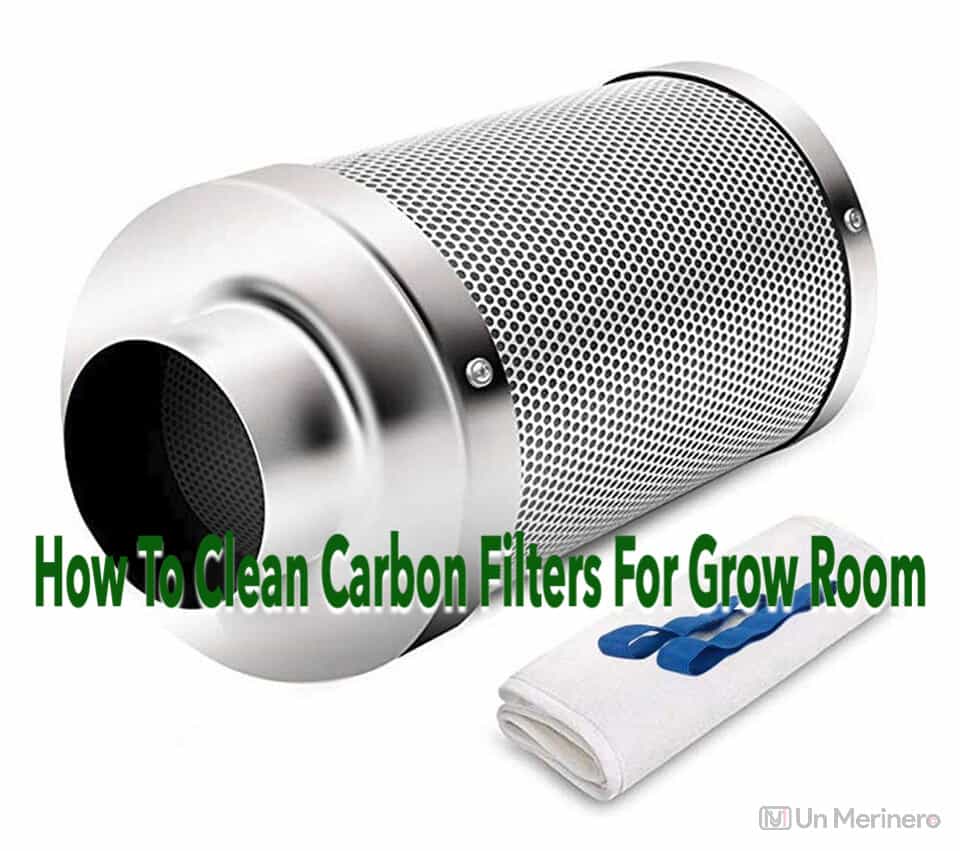
Carbon filters work by forcing air through a bed of activated carbon — a material so porous that a single gram can have a surface area exceeding 3,000 square meters, according to Wikipedia's overview of activated carbon. That extraordinary surface area traps odor molecules, terpenes, and volatile organic compounds as air passes through. Over time, fine dust, plant particulates, and saturated micropores reduce airflow and kill odor control — often gradually enough that you don't notice until the problem is serious.
Whether you're running tomatoes under grow lights (see our guide to growing tomatoes with artificial light) or managing a full vegetable indoor setup (check out how to build a grow box for vegetables), your carbon filter works silently in the background. When it fails, everything downstream suffers. This guide walks you through exactly how to clean it, when cleaning isn't enough, and what most growers consistently get wrong about filter maintenance.
Contents
- The Real Benefits and Honest Limits of Cleaning Your Carbon Filter
- How to Clean Carbon Filters in Your Grow Room: The Full Process
- Carbon Filter Myths That Are Costing You Money
- Carbon Filter Types and How Cleaning Needs Differ
- From Basic Upkeep to Advanced Maintenance Protocols
- Frequently Asked Questions
- Next Steps
The Real Benefits and Honest Limits of Cleaning Your Carbon Filter
What Cleaning Actually Restores
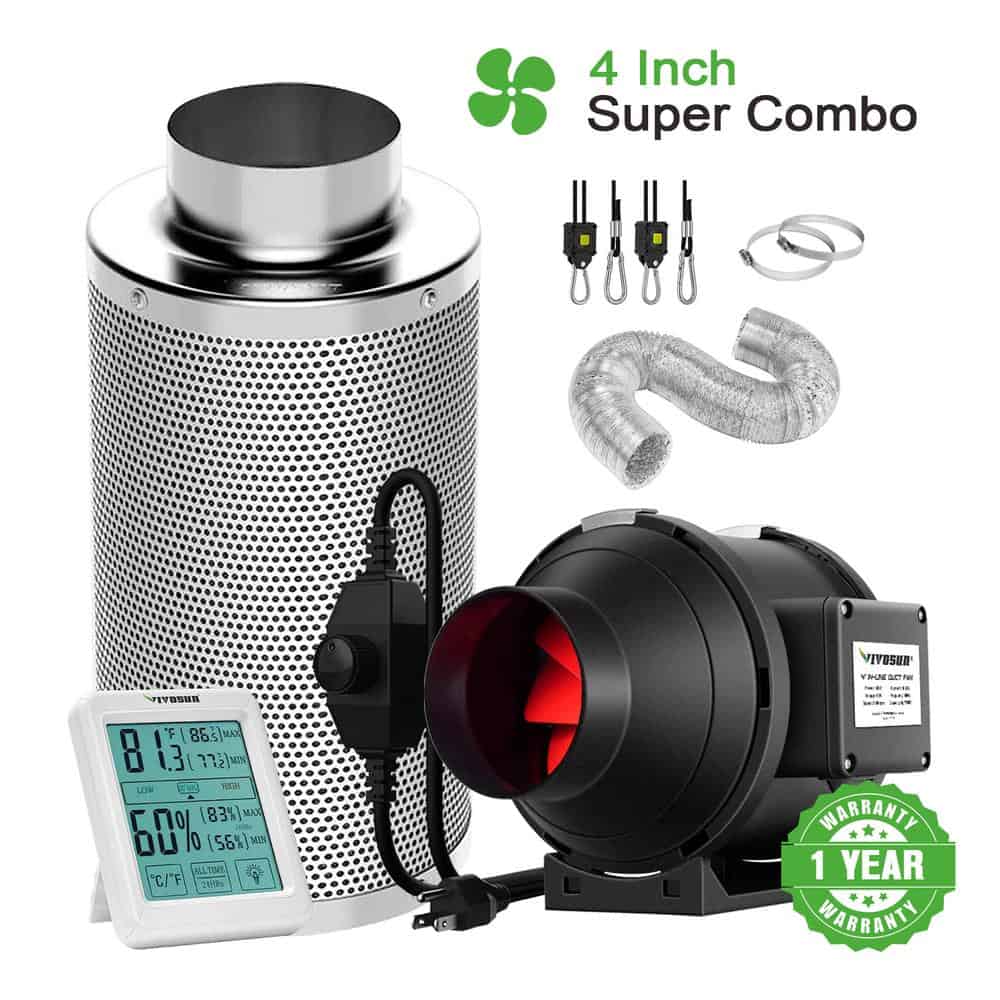
When you clean carbon filters your grow room relies on correctly, you restore two things: airflow through the pre-filter sleeve and surface-level cleanliness on the outer carbon bed. A clogged pre-filter sleeve alone can reduce airflow by 20 to 30%, and that's entirely fixable. Your inline fan stops straining, temperatures stabilize, and odor control recovers — especially when the carbon bed itself isn't yet fully saturated.
The pre-filter sleeve is your biggest quick win. Cleaning it every three to four weeks in a high-activity grow room is the single most impactful maintenance step available to you. It's free, it takes 20 minutes, and it directly protects the carbon bed from premature clogging by keeping coarse dust from reaching the activated carbon layer.
Where Cleaning Hits Its Limits
Here's the honest part: you cannot reverse carbon saturation through cleaning. Once the activated carbon's micropores fill with odor compounds and organic material, surface cleaning does nothing for deep adsorption capacity. Some growers try baking carbon at low temperatures to drive off trapped molecules, but this degrades the carbon structure without meaningfully restoring performance. If your filter is over 18 months old and smells are escaping despite a clean pre-filter, the carbon is spent — replacement is the right call, not another cleaning cycle.
Pro tip: Write the install date on a strip of masking tape and stick it directly to your filter housing. Knowing exactly how old your filter is makes the replace-or-clean decision straightforward every time.
How to Clean Carbon Filters in Your Grow Room: The Full Process
Gather Your Tools First
You don't need anything specialized. A soft-bristle brush, a vacuum with a brush attachment, mild dish soap, warm water, and a clean dry towel cover everything you need. If your filter has a pre-filter sleeve — and most do — budget 20 to 30 minutes for a complete clean. Rushing the process or skipping the drying step is how growers end up with mold inside the housing or a damaged sleeve that lets coarse particles reach the carbon bed directly.
The Step-by-Step Cleaning Sequence
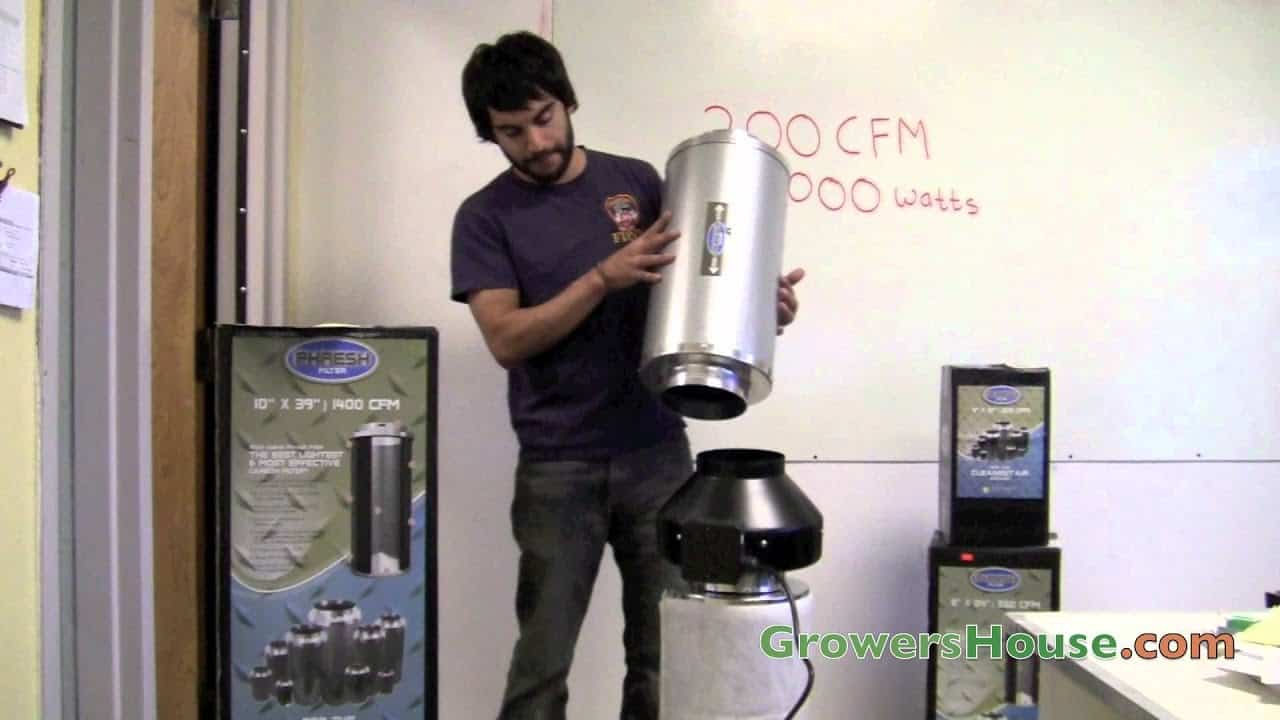
Step 1: Turn off your inline fan and disconnect the carbon filter from the ducting. Remove the pre-filter sleeve carefully and shake it outside or over a trash bag to dislodge loose debris before handling it further.
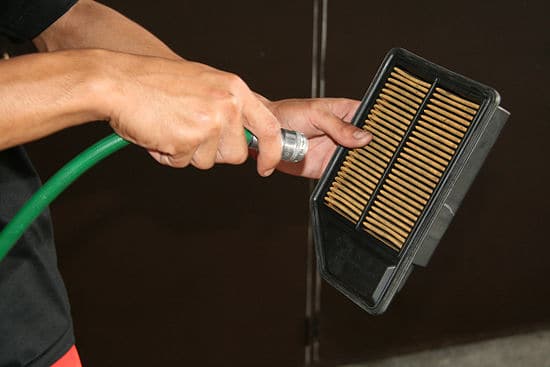
Step 2: Wash the pre-filter sleeve in warm soapy water. Rinse until the water runs completely clear, then squeeze gently — never wring or twist the fabric, as that breaks down the fiber structure and reduces filtration effectiveness.
Step 3: Use your soft-bristle brush to sweep the outer surface of the carbon canister from top to bottom. Work in slow, deliberate passes to dislodge surface dust and particulates without pushing debris deeper into the carbon bed.
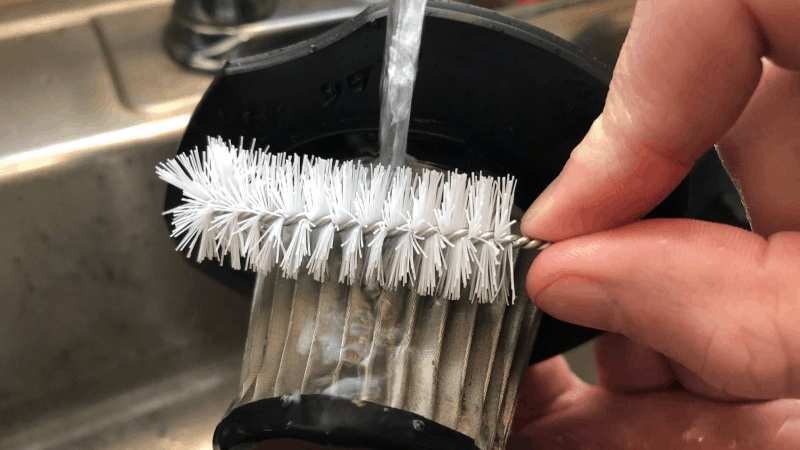
Step 4: Wipe down the end caps and outer casing with a mild dish soap solution on a damp cloth. Avoid saturating the carbon bed itself with water — moisture accelerates degradation and creates conditions for mold to develop inside the housing.
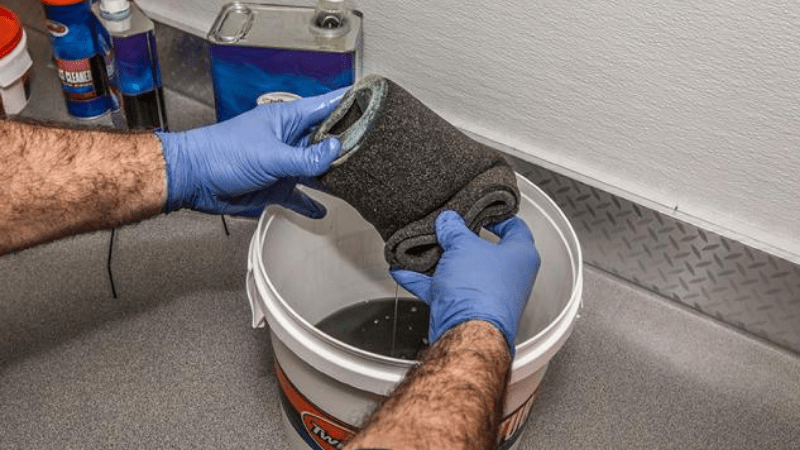
Reassembly and Airflow Check
Allow everything to dry completely before putting it back together. The pre-filter sleeve needs at least four to six hours of air drying — never reassemble with a damp sleeve, as trapped moisture accelerates carbon performance loss. Once dry, slide the sleeve back onto the canister, reconnect the ducting, and run your fan for 10 minutes to check for unusual noise or restricted airflow.
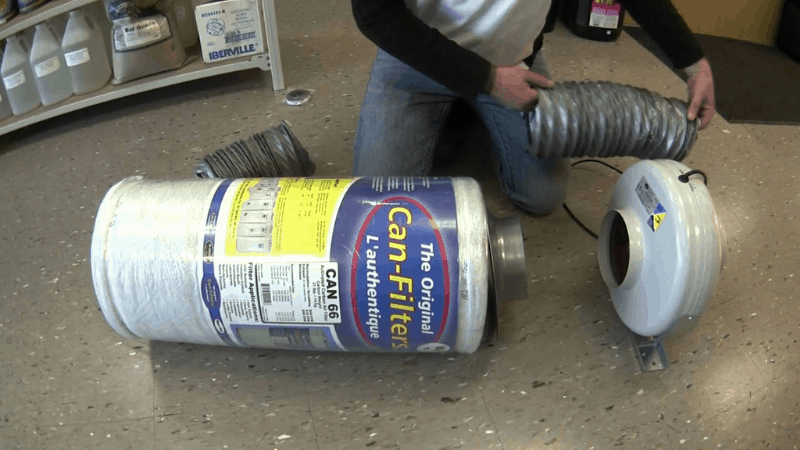
Ventilation and humidity control work together — if you're struggling with moisture levels despite good airflow, our guide to cheap ways to lower humidity in a grow tent pairs directly with these cleaning habits.
Carbon Filter Myths That Are Costing You Money
Washing the Carbon Bed Restores Absorption
This is the most damaging myth circulating in grow room communities. Soaking activated carbon in water doesn't remove saturated organic compounds — it swells the carbon granules, can cause structural cracking, and often makes performance measurably worse. The adsorption process is largely irreversible under normal conditions. Water cleans the surface; it does nothing for the internal micropore structure where actual filtration happens. Stop trying to wash the carbon bed and direct that effort toward the pre-filter instead.
A Fresh Pre-Filter Means the Carbon Is Fine
A clean pre-filter improves airflow, but it tells you nothing about the carbon bed's absorption capacity. You can have a spotless sleeve over a completely saturated carbon bed. Your nose is your most reliable diagnostic tool. If odors break through a clean filter during peak plant activity, the carbon is exhausted regardless of how pristine the sleeve looks. Trust what you smell over what you see.
More Airflow Means Better Filtration
Running your inline fan at maximum speed forces air through the carbon bed faster than adsorption can occur. Most carbon filters have a rated CFM range — exceeding it means air spends less time in contact with carbon, reducing filtration efficiency significantly. Match your fan speed to your filter's specifications, not your instinct to crank it up. For questions about filter placement and venting requirements, our article on whether a carbon filter has to vent outside covers the setup decisions that affect filtration quality directly.
Warning: Running your inline fan above your filter's rated CFM will reduce odor control significantly — always match your equipment specifications before increasing fan speed.
Carbon Filter Types and How Cleaning Needs Differ
Canister vs. Inline Configurations
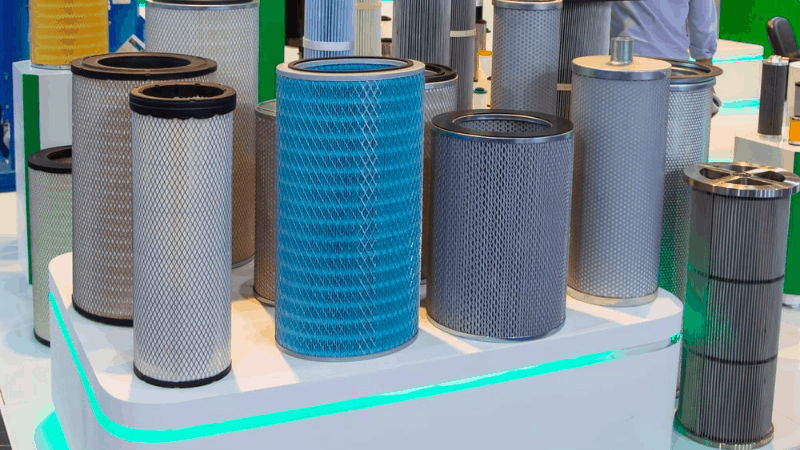
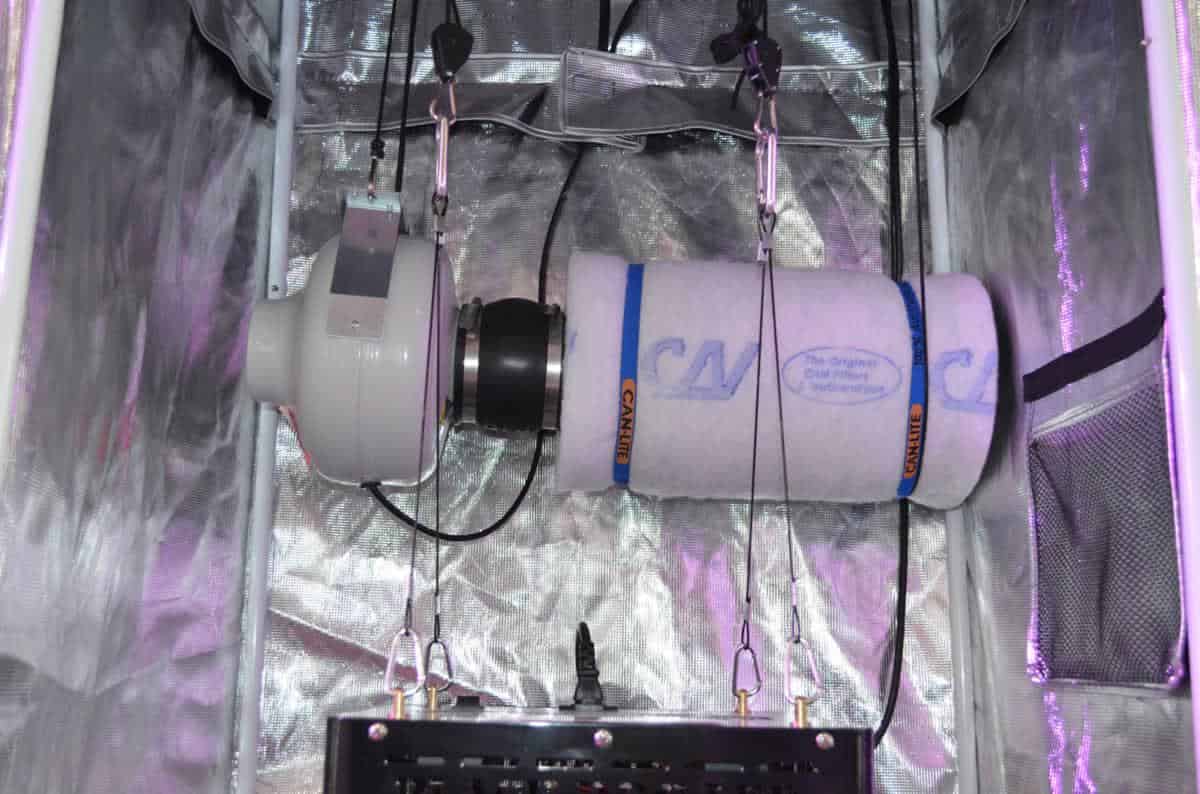
Before setting a cleaning schedule, know which filter type you're running. Canister-style filters draw air radially through the carbon bed and are generally easier to disassemble and clean. Inline filters mount directly in the duct and are more compact but harder to access. Both use activated carbon technology, but their accessibility for maintenance differs considerably — and that affects how consistent you'll actually be with upkeep.
| Filter Type | Typical Lifespan | Pre-Filter Cleaning | Refillable | Best For |
|---|---|---|---|---|
| Canister (radial) | 12–18 months | Every 3–4 weeks | Sometimes | Small to medium grows |
| Inline duct-mounted | 12–18 months | Every 3–4 weeks | Rarely | High-airflow setups |
| Refillable carbon filter | Carbon: 12–18 months | Every 4 weeks | Yes | Long-term permanent grows |
| Sealed disposable | 12–18 months | Every 3–4 weeks | No | Budget or temporary setups |
If you're still deciding whether a carbon filter belongs in your setup, our article on whether you need a carbon filter in a grow tent for vegetables breaks down the decision with clear criteria.
Refillable vs. Sealed Units
Refillable carbon filters let you replace just the carbon bed when it's spent, keeping the housing and sleeve intact. Over two or three refill cycles, you recover the cost difference between refillable and disposable units entirely. Sealed units are simpler — when the carbon is exhausted, you replace the whole assembly. For a permanent indoor grow room, a refillable filter is the stronger long-term investment. For temporary or seasonal setups, a sealed unit keeps upfront costs lower and eliminates the hassle of sourcing replacement carbon media.
From Basic Upkeep to Advanced Maintenance Protocols
What New Growers Should Focus On First
If you're new to indoor growing, start with three habits: clean the pre-filter sleeve every four weeks, confirm your fan's CFM matches your filter's rating, and log your filter's install date somewhere you'll actually check. These three practices alone produce noticeably better performance than neglect. Our 32 gardening tips for beginners covers broader indoor setup knowledge that supports good filter maintenance as part of a larger system.
Advanced Protocols for Experienced Growers
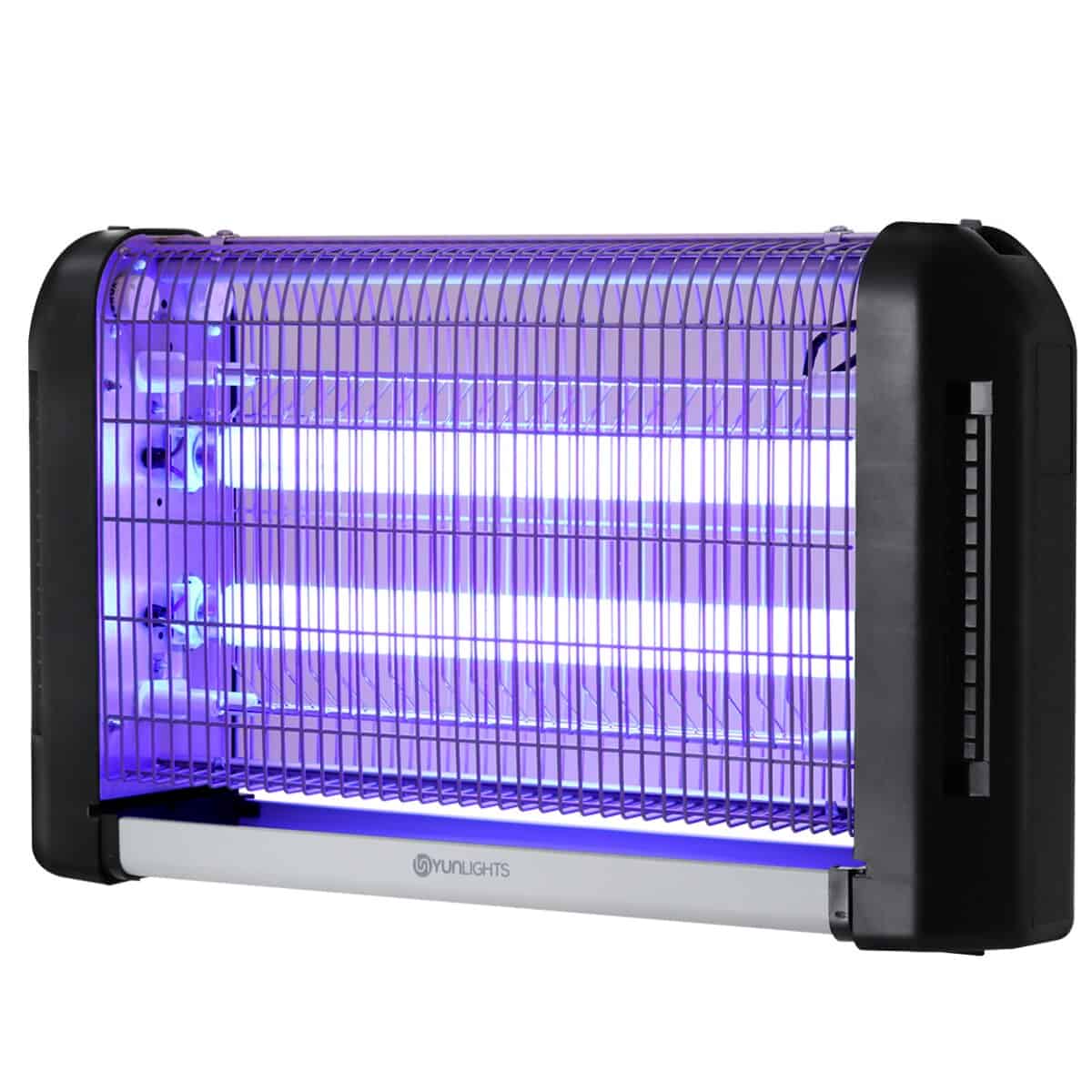
Once you've mastered the basics, layer in more precise diagnostics. A handheld anemometer lets you measure airflow before and after cleaning — a 15% or greater CFM drop is a reliable signal that it's time to replace the carbon, not just clean the sleeve. Some experienced growers run a two-filter rotation, keeping a spare ready so cleaning downtime never leaves the room unprotected during critical growth stages. Pairing sharp filter maintenance with a grow room pest control strategy — see our guide on dealing with insects in the grow environment — creates the clean, controlled conditions your plants actually need.
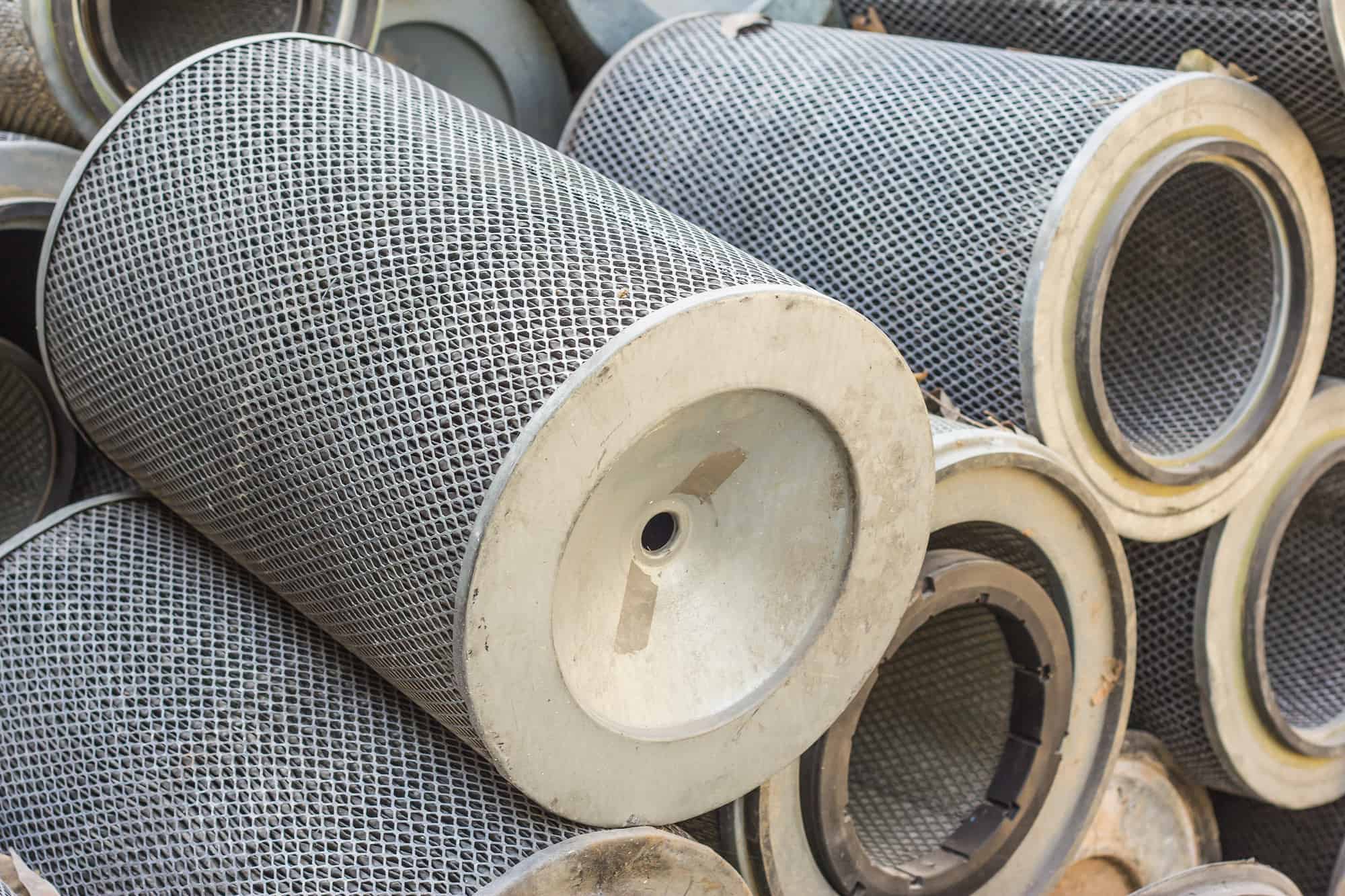
Physical damage is worth checking at every cleaning cycle. Cracks in the carbon bed housing, torn pre-filter fabric, or compromised end cap seals allow unfiltered air to bypass the carbon entirely. Inspect the housing seams, end caps, and sleeve fabric each time you clean — catching damage early prevents you from running a filter that's performing at a fraction of its rated capacity without knowing it.
Frequently Asked Questions
How often should you clean a carbon filter in a grow room?
Clean the pre-filter sleeve every three to four weeks in a heavy-use grow room. The carbon bed itself doesn't benefit from regular washing, but the sleeve and housing exterior should be maintained on this schedule to preserve airflow and extend carbon lifespan.
Can you wash activated carbon to restore its filtration capacity?
No. Soaking or washing activated carbon does not remove saturated organic compounds from the micropores. Water swells the carbon structure and can cause cracking. The adsorption process is essentially irreversible under household conditions — a saturated carbon bed needs replacement, not washing.
How do you know when a carbon filter needs replacing rather than cleaning?
Trust your nose first. If odors are escaping despite a clean, dry pre-filter sleeve, the carbon is saturated and needs replacing. As a backup, use a handheld anemometer — a 15% or greater CFM drop from your filter's rated output also signals that replacement is overdue.
Should the carbon filter go inside or outside the grow tent?
Most growers mount the carbon filter inside the tent at the highest point, connected to the inline fan via ducting, with air exhausted outside. This creates negative pressure that draws odors through the carbon before they can escape. Placement outside the tent is less effective because unfiltered tent air can still leak through gaps.
Does high humidity shorten a carbon filter's lifespan?
Yes, significantly. Excess humidity causes moisture to condense on the activated carbon, which fills micropores with water molecules instead of odor compounds and accelerates saturation. Keeping your grow room humidity under 70% directly extends your filter's working life. This is another reason why managing humidity and ventilation together matters.
What's the difference between a carbon filter pre-filter and the carbon bed?
The pre-filter sleeve is a fabric wrap around the outside of the carbon canister that captures coarse dust and particulates before they reach the carbon bed. The carbon bed is the internal activated carbon layer that performs actual odor adsorption. The pre-filter is cleanable and reusable; the carbon bed has a finite absorption capacity and must eventually be replaced.
Can you refill a carbon filter with new activated carbon yourself?
Yes, if you own a refillable carbon filter model. Most refillable units unscrew at the end cap, allowing you to pour out spent carbon and refill with fresh activated carbon media. Use carbon rated for air filtration — aquarium or water-treatment carbon is formulated differently and performs poorly in grow room applications.
What happens if you run an inline fan faster than the filter's CFM rating?
Air moves through the carbon bed too quickly for effective adsorption to occur. Odor molecules need sufficient contact time with the carbon surface to be trapped — high velocity reduces that contact time and drops filtration efficiency noticeably. Always match your fan's operating CFM to your filter's rated range, not its maximum speed.
Next Steps
- Check your carbon filter's housing for an install date — if there isn't one, write today's date on a strip of masking tape and apply it now so you have a baseline for future replacement decisions.
- Remove your pre-filter sleeve this week, wash it in warm soapy water, let it dry fully, and brush down the outer carbon canister surface — even one cleaning cycle makes a measurable difference in airflow.
- Verify that your inline fan's CFM rating falls within your filter's specified range; if it doesn't, adjust your fan speed controller to match the filter's optimal operating window.
- If your filter is over 12 months old and you've noticed any odor escaping, order a replacement carbon bed or a new sealed unit now rather than waiting for performance to collapse entirely.
- Set a recurring reminder every four weeks to clean the pre-filter sleeve — consistency here is what separates growers who replace filters every year from those who stretch them well past the 18-month mark.


About Lee Safin
Lee Safin was born near Sacramento, California on a prune growing farm. His parents were immigrants from Russia who had fled the Bolshevik Revolution. They were determined to give their children a better life than they had known. Education was the key for Lee and his siblings, so they could make their own way in the world. Lee attended five universities, where he studied plant sciences and soil technologies. He also has many years of experience in the U.S. Department of Agriculture as a commercial fertilizer formulator.
Get FREE Gardening Gifts now. Or latest free toolsets from our best collections.
Disable Ad block to get all the secrets. Once done, hit any button below