Over 89 million American households own a lawn mower, yet a surprising number of owners fill the tank with whatever gas is convenient without thinking twice. If you've ever stood at the pump wondering whether lawn mower gas vs car gas actually matters, the answer is more consequential than most people expect. Getting the fuel wrong doesn't just hurt performance — it can void your warranty, corrode carburetor components, and cost you hundreds in repairs. Here at GardenSynthesis, we cover everything from gardening tips to outdoor equipment care, and fuel choice is one of those details that separates a mower that lasts a decade from one that sputters out after two seasons.
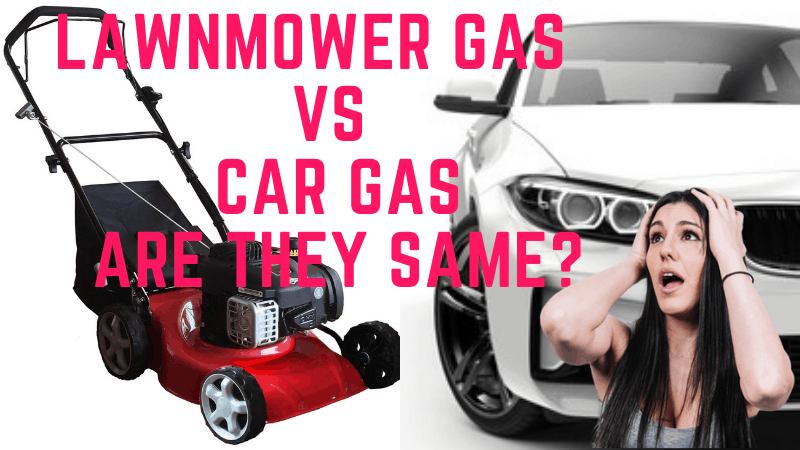
The short answer is that yes, lawn mowers and cars can run on the same pump gasoline — but with important conditions attached. Most standard walk-behind and riding mowers use four-stroke engines that accept regular unleaded fuel, the same grade you'd pump into your car. The complications come from ethanol content, octane rating, and how long that fuel sits in the tank. Understanding these three factors will make you a smarter equipment owner and save you real money over time.
This guide breaks down the chemistry behind each fuel type, tells you exactly when to use which grade, walks you through the fueling process step by step, and shows you how to diagnose fuel-related issues before they escalate into engine damage.
Contents
Understanding the Difference Between Lawn Mower Gas and Car Gas
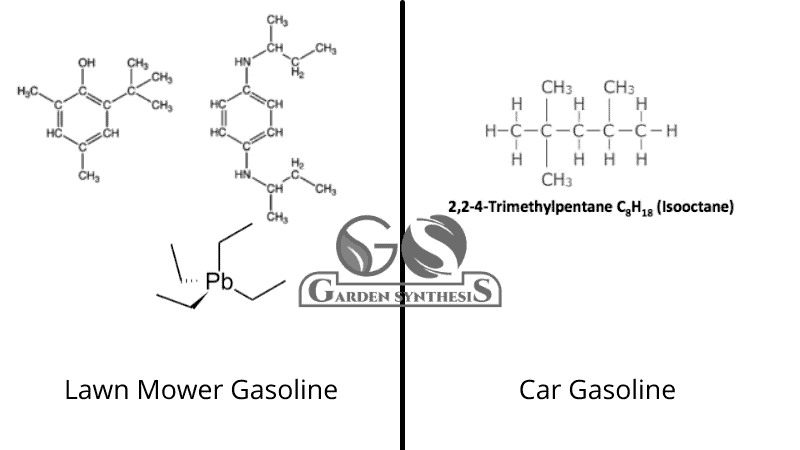
At the pump, gasoline is gasoline — the same product refined from crude oil. But once you look at the specifics, the differences between what goes into your car's tank and what should go into your mower's tank come into sharp focus. The two key variables are octane rating and ethanol content, and both directly affect how your small engine performs and ages.
Octane Ratings Explained
Octane rating measures a fuel's resistance to "knocking" — the premature ignition that causes that pinging noise in high-compression engines. Cars with turbocharged or performance engines often require 91 or 93 octane premium fuel. Most lawn mowers, however, use low-compression engines designed to run efficiently on regular 87 octane gasoline.
Using premium fuel in a standard lawn mower engine won't make it run better. The higher octane rating delivers no power increase in a low-compression engine — it just costs more. Save premium grades for engines that actually need them.
| Fuel Grade | Octane Rating | Best For | Use in Lawn Mower? |
|---|---|---|---|
| Regular | 87 | Standard cars, small engines | Yes — recommended |
| Mid-Grade | 89 | Some older vehicles | Acceptable but unnecessary |
| Premium | 91–93 | High-compression, turbocharged engines | No benefit — waste of money |
| Ethanol-Free | 90+ | Small engines, stored equipment | Yes — best choice for mowers |
| E85 (Flex-Fuel) | 85 AKI | Flex-fuel vehicles only | Never — causes engine damage |
Ethanol Content: The Hidden Factor
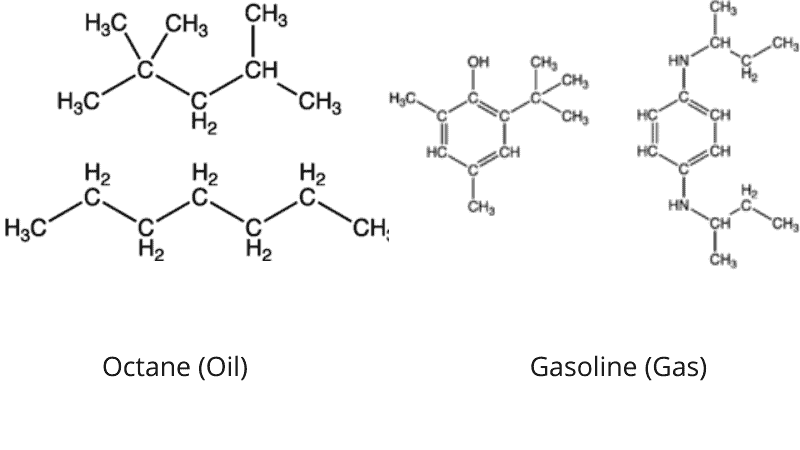
This is where the lawn mower gas vs car gas debate gets serious. Most pump gasoline in the United States contains up to 10% ethanol (E10), a blend approved primarily to reduce vehicle emissions. Cars handle E10 without issue. Small engines are a different story entirely.
- Ethanol absorbs moisture from the air, which leads to water contamination in the fuel system.
- It breaks down in as little as 30 days, leaving behind gummy deposits that clog carburetors.
- It degrades rubber fuel lines, gaskets, and plastic components not designed to resist it.
- Higher blends like E15 or E85 are explicitly prohibited by most small engine manufacturers.
Pro tip: If your mower sat for more than 30 days with E10 fuel in the tank, that gas is already degrading. Drain it and start fresh before your first mow of the season.
When to Use Regular Pump Gas — and When to Skip It
Knowing the chemistry is useful, but what you really need is a clear decision framework you can apply at the pump every time. Here's exactly how to make that call.
When Regular Gas Works Fine
Standard E10 regular unleaded — the 87 octane fuel at every gas station — works perfectly well in most modern four-stroke lawn mowers under these conditions:
- You mow frequently and burn through a tank within two to three weeks.
- Your mower's engine is relatively new with intact rubber fuel system components.
- You add a quality fuel stabilizer between uses to slow ethanol degradation.
- You're running a four-stroke engine, not a two-stroke that requires an oil-gas premix.
If you tick all those boxes, regular pump gas from your nearest station is completely acceptable. Just confirm the label reads E10 or less — not E15, not E85.
When You Should Choose Differently
There are specific situations where regular pump gas is the wrong choice for your mower:
- Older mowers built before 2011 — fuel systems from that era weren't engineered with ethanol resistance in mind, and rubber components degrade faster with repeated E10 exposure.
- Mowers stored for more than three weeks without a stabilizer — stale ethanol-blend fuel is a carburetor killer.
- Two-stroke engines — these require a precise gasoline-to-oil ratio; never use straight pump gas alone in a two-stroke.
- Mowers already showing signs of ethanol damage — hard starting, carburetor buildup, or cracked fuel lines.
In any of these cases, ethanol-free premium fuel — sometimes marketed as recreational fuel or marine fuel — is the better investment. Yes, it costs more per gallon. But it burns cleaner, stores far longer, and prevents the corrosive damage that leads to expensive carburetor rebuilds.
Warning: Never use E15 or higher ethanol blends in a lawn mower — manufacturers including Briggs & Stratton and Honda state explicitly that doing so voids the warranty and risks permanent engine damage.
How to Fill Your Lawn Mower with Gas the Right Way
Even if you choose the right fuel, how you put it in matters. Spilling gasoline on a hot engine is a fire hazard, and overfilling causes flooding. Here's the correct process from start to finish. If you've struggled to get your mower running reliably after fueling, also check out this in-depth guide on how to start a lawn mower without a primer bulb for additional troubleshooting steps.
What You Need Before You Start
- Fresh 87 octane regular or ethanol-free fuel
- A clean, approved fuel container (red for gasoline)
- A funnel or spout to prevent spills
- A clean rag for immediate cleanup
- Fuel stabilizer if the tank won't be used within two weeks
Step-by-Step Fueling Process
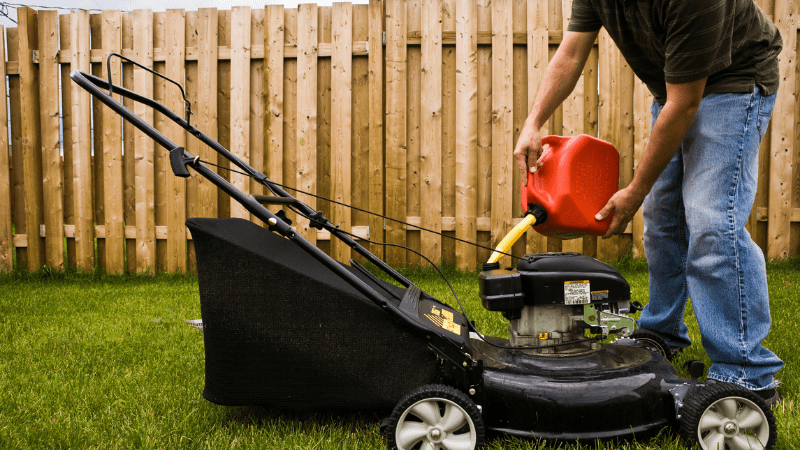
- Let the engine cool completely. Never fuel a hot mower. Wait at least five minutes after the last run — heat near gasoline vapors is a genuine fire risk.
- Move to a flat, open surface. Work outdoors or in a well-ventilated area. Never fuel inside an enclosed garage.
- Check the current fuel level. Remove the cap and look inside, or check the gauge on riding mowers. Only add what the tank actually needs.
- Fill slowly using a funnel. Pour steadily to minimize splashing. Stop at the fill line — never overfill. Leave about an inch of space for fuel expansion.
- Replace the cap firmly. A loose fuel cap lets moisture in and vapors out. Hand-tighten until you feel solid resistance.
- Wipe up any spills immediately. Gasoline on the engine or mower deck is a fire hazard. Use your rag and allow the area to dry completely before starting.
- Add stabilizer if needed. If you won't mow within two weeks, add a measured dose of fuel stabilizer, then run the engine for two minutes to circulate it through the carburetor.
For model-specific starting procedures on common mowers, this walkthrough on how to start a Poulan Lawn Mower XT675 covers the full process in detail.
Diagnosing Fuel-Related Problems in Your Mower
Fuel issues are the number-one cause of small engine failures. The good news is that the symptoms are recognizable and most problems are fixable if you catch them before they become permanent engine damage.
Common Symptoms of Bad Fuel
If your mower is showing any of these signs, suspect the fuel first:
- Hard starting or won't start at all — stale or contaminated fuel is the leading cause in mowers that sat idle between seasons.
- Engine sputters and dies under load — fuel starvation caused by a partially clogged carburetor jet.
- Rough idle or surging RPMs — air-to-fuel ratio disrupted by gummy ethanol deposits in the fuel passages.
- Dark, varnish-like residue in the fuel bowl — classic sign of oxidized gasoline that sat too long in the tank.
- Visible water droplets in the fuel — ethanol has absorbed moisture from humid air, causing phase separation.
Fixing Ethanol Damage
If bad fuel is the culprit, work through this repair sequence before spending money on larger engine work:
- Drain the fuel tank completely using a hand pump or by disconnecting the fuel line at the carburetor inlet.
- Inspect the inline fuel filter. A clogged filter is cheap to replace and gets overlooked far too often.
- Remove the carburetor and spray it thoroughly with carburetor cleaner. Focus on the small jets — those get blocked first by ethanol deposits.
- Check rubber fuel lines for cracks, brittleness, or swelling. Replace any that show deterioration; they're inexpensive parts.
- Refill with fresh ethanol-free fuel and a measured dose of stabilizer.
- If the engine still won't run cleanly after cleaning, the carburetor may need a full rebuild. Rebuild kits for most common Briggs and Honda engines cost under $15 and take about an hour to install.
Safety first: Always disconnect the spark plug wire before working anywhere near the fuel system — this prevents accidental engine starting while your hands are near moving parts.
Keeping Your Mower Running Strong for Years
The difference between a mower that lasts five years and one that runs for fifteen comes down to consistent maintenance. Fuel management is the most overlooked part of that equation. Every fueling decision you make compounds over years of use — good habits pay off, and bad ones accumulate silently until something fails.
Fuel Storage Best Practices
When you buy fuel in bulk or need to store it between mows, follow these rules without exception:
- Use approved red fuel containers — never repurpose food containers or unlabeled jugs.
- Store fuel in a cool, shaded location away from heat sources. Heat accelerates oxidation and ethanol phase separation.
- Add fuel stabilizer from day one when you fill the container — don't wait until the fuel is already degrading.
- Use untreated stored fuel within 30 days; stabilizer-treated fuel within 12 months.
- Label every container with the fill date so you always know exactly how old the fuel is.
Ethanol-free fuel is the best choice for anything you plan to store. It doesn't absorb atmospheric moisture, doesn't separate, and doesn't form the varnish deposits that ethanol blends leave behind when they degrade over time.
End-of-Season Fuel Management
This one seasonal step prevents the majority of springtime starting failures. At the end of your mowing season, you have two reliable options:
Option 1 — Run the tank dry. Add stabilizer, then run the mower until it dies from fuel starvation and store it. No fuel sitting in the carburetor means no deposits forming over the winter months.
Option 2 — Fill it up with treated fuel. Fill the tank completely with fresh, stabilizer-treated gasoline. A full tank minimizes the air space where moisture condenses during temperature swings. Run the engine for two minutes to circulate the treated fuel through the carburetor before storing. This is the preferred method for mowers in humid climates where condensation is a persistent problem.
Whichever method you choose, do it consistently every single season. Your carburetor will confirm you made the right call each spring when the mower starts on the first pull.
Frequently Asked Questions
Can I use the same gas in my lawn mower as in my car?
Yes, in most cases. Both four-stroke lawn mower engines and car engines run on regular 87 octane unleaded fuel. The critical restriction is ethanol content — use E10 (10% ethanol) or less, and never use E15 or E85, which contain ethanol concentrations that degrade small engine fuel system components not designed to handle them.
What happens if you put premium gas in a lawn mower?
Nothing harmful, but nothing beneficial either. Premium 91–93 octane fuel provides no performance advantage in standard low-compression lawn mower engines. It burns identically to regular fuel in these engines and simply costs more per gallon. Your mower's owner's manual specifies the required octane — and for nearly all common mowers, that number is 87.
How long does gas last in a lawn mower tank?
Untreated regular E10 gasoline starts degrading in as little as 30 days. After 60 days, it begins leaving gummy residue inside the carburetor. With a quality fuel stabilizer added at fill-up, gasoline remains usable for up to 12 months. Ethanol-free fuel without stabilizer lasts roughly 90 days before significant degradation begins.
Is ethanol-free gas worth the extra cost for a lawn mower?
Absolutely. Ethanol-free fuel costs 20–40 cents more per gallon at stations that carry it, but it eliminates the leading cause of carburetor failure in small engines. A single carburetor rebuild or replacement typically runs $50–$150 in parts and labor. Over the lifetime of a mower, the cumulative price difference between E10 and ethanol-free fuel is trivial compared to those repair costs.
Can you mix old gas with new gas in a lawn mower?
You can, but you shouldn't. Old fuel that has already degraded introduces varnish-forming compounds into your fresh fuel — and adding new gas on top of degraded old gas dilutes the problem without solving it. If there's old or suspect fuel in the tank, drain it completely before adding anything fresh. Start clean every time.
Final Thoughts
The lawn mower gas vs car gas question has a definitive answer: use fresh regular 87 octane with E10 or less for routine mowing, switch to ethanol-free fuel whenever your mower sits idle for extended stretches, and treat stored fuel with stabilizer every single season. Start right now — check what's in your tank, assess how old it is, and make the correct call before your next mow. Your engine will start easier, run cleaner, and last significantly longer for it.


About Lee Safin
Lee Safin was born near Sacramento, California on a prune growing farm. His parents were immigrants from Russia who had fled the Bolshevik Revolution. They were determined to give their children a better life than they had known. Education was the key for Lee and his siblings, so they could make their own way in the world. Lee attended five universities, where he studied plant sciences and soil technologies. He also has many years of experience in the U.S. Department of Agriculture as a commercial fertilizer formulator.
Get FREE Gardening Gifts now. Or latest free toolsets from our best collections.
Disable Ad block to get all the secrets. Once done, hit any button below