If you're asking why is my lawnmower shooting flames, here's the direct answer: unburned fuel is igniting outside the combustion chamber — usually in the carburetor or exhaust. This happens because of a rich fuel-air mixture, a failing spark plug, or worn engine valves. It's alarming, but the cause is almost always mechanical and fixable at home. This guide walks you through every root cause, how to diagnose each one, and the exact steps to fix it. For more yard care advice, browse our gardening tips.

Your engine is a controlled explosion machine. When fuel ignites at the wrong time or in the wrong place, you get visible fire where you shouldn't. The combustion sequence is breaking down, and your job is to find where it's failing. The good news is that the causes follow predictable patterns — and once you spot the pattern, the fix becomes obvious.
In this guide, you'll learn exactly what's going wrong inside your engine, which mower types are most affected, and how to fix every scenario yourself. There's also a full cost breakdown so you know what to budget before you call a mechanic — or decide to skip that call entirely.
Contents
- Why Is My Lawnmower Shooting Flames: The Main Causes
- Real Situations Where Flames and Backfire Occur
- Which Mower Types Are Most Prone to This Problem
- Diagnostic Tools and Parts You'll Need
- How to Fix a Flame-Shooting Lawnmower Step by Step
- Preventive Maintenance to Stop Flames Before They Start
- What Repairs Will Cost You
- Frequently Asked Questions
- Final Thoughts
Why Is My Lawnmower Shooting Flames: The Main Causes
Backfire vs. True Flame: Know the Difference
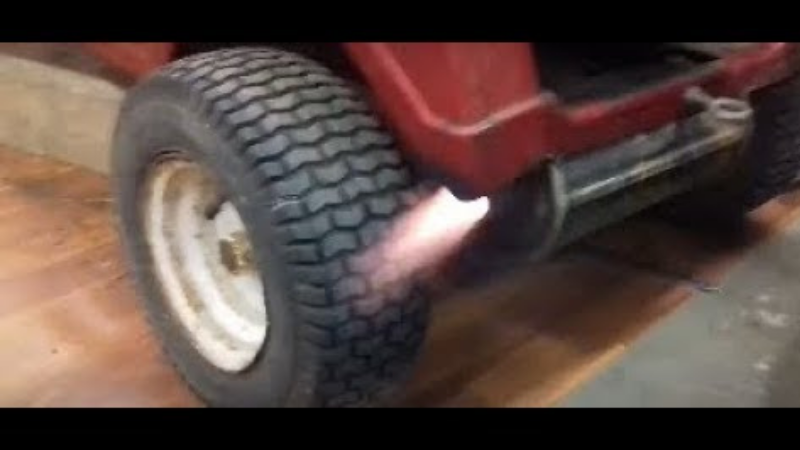
Before you pull any parts, understand exactly what you're seeing. A backfire is an audible pop or bang caused by combustion occurring outside the cylinder — either back through the carburetor or forward through the exhaust. A true flame is when that combustion produces visible fire, typically from the exhaust pipe, air filter housing, or carburetor intake.
- Carburetor flames — fire shooting from the air filter or intake area; combustion is traveling backward through the intake valve
- Exhaust flames — visible flame or orange glow from the exhaust pipe; unburned fuel igniting as it exits the cylinder
- Afterfire on shutdown — a single loud pop when you kill the engine; common and often harmless, but worth correcting if it happens every time
According to Wikipedia's overview of engine backfires, this phenomenon is rooted in combustion timing failures — a principle that applies directly to the single-cylinder engines found in residential lawnmowers. Knowing which type of event you're dealing with tells you where to look first.
The Fuel-Air Mixture Imbalance
The most common root cause of lawnmower flames is a rich fuel-air mixture — too much fuel relative to air in the combustion chamber. When the engine can't burn all the fuel delivered to it, excess fuel exits through the exhaust or carburetor and ignites on contact with hot metal or a stray spark.
Key contributors to a rich mixture:
- Clogged or dirty air filter restricting airflow into the carburetor
- Float valve stuck open, allowing too much fuel into the bowl
- Choke left partially closed after the engine warms up
- Mixture screws adjusted too rich (too far counterclockwise)
- Fuel with high ethanol content degrading carburetor rubber components
- Old, varnished fuel partially blocking carburetor jets
If your mower is also running sluggishly alongside shooting flames, the two problems share the same root. Check our guide on why your lawnmower is running slow — many of those causes overlap directly with flame and backfire issues.
Warning: If flames are coming from the carburetor or air filter area, shut the engine off immediately and step back — the air filter housing is combustible and can sustain a fire.
Real Situations Where Flames and Backfire Occur
Shutting Down the Engine Incorrectly
One of the most predictable scenarios for flames and backfire is at engine shutdown. If you kill the ignition while the engine is still at full or mid-range throttle, unburned fuel floods the exhaust and ignites from residual heat. This is especially common on mowers where the blade-engagement lever also cuts the ignition — the engine goes from operating RPM to dead stop in an instant.
The correct shutdown sequence:
- Disengage the blade first
- Reduce throttle to the idle or slow position
- Let the engine idle for 30–60 seconds to burn off excess fuel
- Then turn the key or flip the kill switch to off
This habit eliminates afterfire in the vast majority of cases. It also protects the exhaust valve seat from thermal shock — a small maintenance win that compounds significantly over the life of the engine. If you notice your RPMs hunting at idle even before shutdown, read our guide on why your lawnmower revs up and down to address the idle instability first.
Cutting Overgrown or Thick Grass
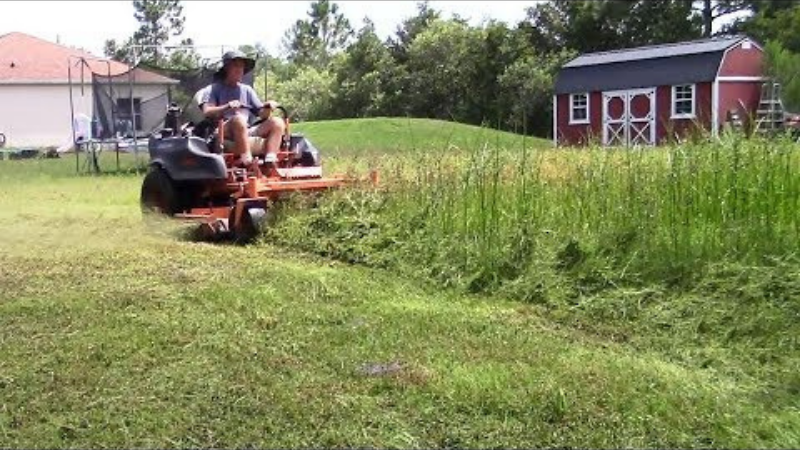
Cutting excessively tall or dense grass places sudden load spikes on the engine. When the blade hits a thick patch, RPMs drop sharply. That disrupts combustion timing and can cause unburned fuel to back up into the exhaust, where it ignites on the next cycle.
Signs this situation is behind your flame issue:
- Flames or backfire only happen when mowing thick or overgrown patches
- Engine RPMs drop noticeably or the mower bogs mid-pass
- The problem goes away on short, well-maintained grass
The fix here is operational, not mechanical. Raise your deck height for the first pass on overgrown areas, then lower it for a second pass. Don't try to cut thick grass in a single low pass — you're asking the engine to do more than it was designed to handle at once.
Which Mower Types Are Most Prone to This Problem
Gas Push Mowers
Single-cylinder gas push mowers are the most common source of flame complaints. Their carburetors are simpler — less tolerant of wear, dirty components, or degraded fuel. A partially clogged main jet or a worn float needle produces noticeable symptoms fast. Push mowers are also the type most frequently shut off abruptly: one release of the safety bar and the engine cuts dead. That abrupt stop is the primary driver of shutdown backfire in push mowers.
Common push mower flame triggers:
- Neglected air filter (most often skipped in seasonal maintenance)
- Primer bulb cracked or stuck — over-priming floods the cylinder
- Old ethanol-blend fuel left in the tank over winter
Riding Mowers and Zero-Turns
Riding mowers and zero-turns can produce more dramatic flame events because of their larger fuel loads and higher-displacement engines. The exhaust pipe on some models runs close to the fuel tank, making persistent exhaust flames a genuine hazard — not just an annoyance.
If you're seeing flames on a riding mower, prioritize these inspections:
- Exhaust system for cracks, loose fittings, or deteriorated heat shields
- Carburetor float and needle valve for wear or debris lodged in the seat
- Ignition timing — commonly drifts on engines with more than 400–500 operating hours
- Fuel line and inline filter for blockages that cause pressure spikes
Pro tip: On riding mowers, always park on a flat, level surface before inspecting exhaust or fuel components — heat shields are designed to deflect flames away from the fuel tank, but only when the mower is on level ground.
Diagnostic Tools and Parts You'll Need
Basic Diagnostic Tools
You don't need a full mechanic's toolbox to diagnose most flame-related issues. Here's exactly what to have before you start:
- Spark plug socket and ratchet — typically 5/8" or 13/16" depending on engine brand
- Feeler gauge — to check spark plug electrode gap
- Carburetor cleaner spray
- Compression test gauge — under $20, confirms valve problems quickly
- Multimeter — to test spark plug wire resistance if misfires are suspected
- Small flathead screwdriver — for carburetor mixture screws
- Owner's manual — for carburetor spec settings and plug gap specification
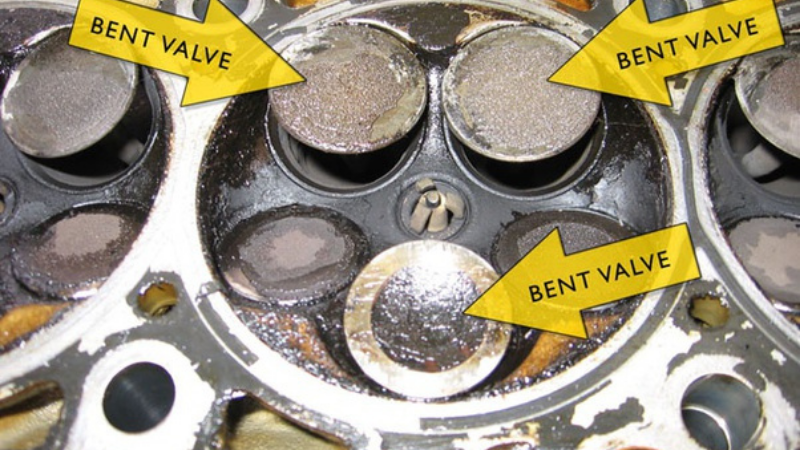
Bent or damaged valves are harder to diagnose without disassembly, but the symptom pattern is distinctive. If flames are coming from the carburetor intake side — not the exhaust — combined with noticeably reduced power, a bent intake valve is the primary suspect. A compression test confirms it: most small engines should read 90–120 PSI. Below 90 PSI points directly to a valve or ring problem.
Replacement Parts to Have Ready
Pick these up before you start the repair. Having them on hand saves a frustrating mid-job hardware store trip:
- Correct spark plug for your engine model (check the manual or look up by engine serial number)
- Carburetor rebuild kit — usually $8–$20, includes needle, float, jets, and gaskets
- Replacement air filter matched to your mower model
- Fresh fuel — if your current tank is older than 30 days, drain and replace it entirely
- Inline fuel filter if yours hasn't been replaced in the current season
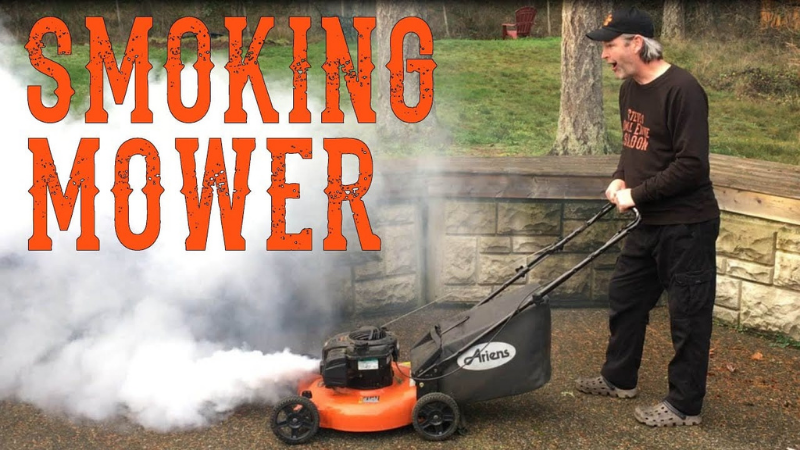
High engine temperature amplifies every combustion problem on this list. When the engine runs hotter than normal, it takes less fuel accumulation to trigger a backfire or visible flame. A blocked cooling fin, a missing engine cover, or running long stretches without a break can push temperatures high enough to turn a minor carburetor issue into a full flame event. Always check whether the cooling fins are clear of grass clippings and debris before assuming a fuel or ignition problem.
How to Fix a Flame-Shooting Lawnmower Step by Step
Fix a Rich Carburetor Mixture
- Replace the air filter first. Remove the housing, pull the filter, and inspect it. If it's clogged with grass clippings, oil residue, or compacted dirt, replace it. This is the most common cause of a rich mixture and costs $5–$15 to fix.
- Check the choke position. Confirm the choke is fully open after the engine has warmed for 30–60 seconds. A partially engaged choke starves the engine of air and richens the mixture immediately.
- Inspect the float and needle valve. Drain and remove the carburetor fuel bowl. Look at the float position — it should sit level when the bowl is inverted. Press the needle down and release it; it should spring back and seal cleanly. If fuel drips past the needle, replace the needle and seat.
- Adjust the mixture screw. Turn the fuel mixture screw clockwise in 1/4-turn increments, starting the engine between adjustments. You're targeting a smooth, even idle without hunting or stumbling.
- Replace old fuel. Gasoline starts degrading in as little as 30 days. Old fuel leaves varnish deposits in jets that cause uneven fuel flow. Drain the tank completely and add fresh fuel with a stabilizer added.
If you're also dealing with fuel leaking from the carburetor area, the float and needle are likely the culprit for both problems. Our guide on why your lawnmower carburetor is leaking gas walks through float and needle replacement in detail.
Replace a Faulty Spark Plug
A worn or fouled spark plug misfires intermittently. Each misfire sends a full charge of unburned fuel into the exhaust, where it ignites on the hot metal surfaces. This is one of the most common causes of exhaust flames on mowers that have been in service for a few seasons.
- Remove the spark plug with the correct socket wrench
- Inspect the electrode — look for heavy black carbon buildup, a cracked porcelain insulator, or a burned, rounded electrode tip
- Measure the gap with a feeler gauge — most small engines spec 0.028"–0.031", but verify with your manual
- If the plug shows any of those signs, or if it's been over 50 hours since the last replacement, install a new plug
- Torque the new plug to spec — typically 12–15 ft-lbs, or hand-tight plus 1/2 turn without a torque wrench
Checking your spark plug also tells you a great deal about what's happening in the combustion chamber. Read our guide on why your lawn mower spark plug is wet for a full breakdown of what different plug conditions mean.
Address Worn or Bent Valves
Valve problems are the most serious cause of lawnmower flames. A bent or burned intake valve allows the fuel-air charge to escape backward into the carburetor intake, where it ignites. An exhaust valve that won't seat properly lets unburned gases pool in the exhaust on every cycle.
How to diagnose a valve problem:
- Perform a compression test — below 90 PSI on a small engine is a clear sign of valve or ring failure
- Listen for a hissing or sucking sound from the air filter area while cranking the engine
- Flames exclusively from the intake side (not the exhaust) confirm an intake valve issue
Valve repair requires engine disassembly — removing the head to access the valve seats. If you're comfortable with small engine teardown, valve lapping and replacement is a straightforward job with the right tools. If not, this is the repair where calling a professional is the right call. A shop will typically have it done in 1–2 hours of bench time.
Safety first: Never inspect or work on any engine component while it's hot. Let the engine cool for at least 30 minutes after shutting down before touching anything near the exhaust or combustion chamber.
Preventive Maintenance to Stop Flames Before They Start
Carburetor and Fuel System Care
The majority of lawnmower flame and backfire issues are preventable with consistent seasonal maintenance. Build these habits into your routine:
- Replace the air filter every season or every 25 hours of use — whichever comes first
- Use fresh fuel with no more than 10% ethanol content (E10 maximum) — high-ethanol blends degrade carburetor rubber components and accelerate jet clogging
- Add a quality fuel stabilizer if storing the mower for more than 30 days
- For storage longer than 60 days, run the engine until it dies from fuel starvation — this drains the carburetor bowl and prevents varnish deposits from forming in the jets
- Clean the carburetor bowl once per season: remove it, spray with carburetor cleaner, dry fully, and reinstall with a new gasket
- Replace the inline fuel filter annually — it's a $3–$5 part that blocks debris from reaching the carburetor jets
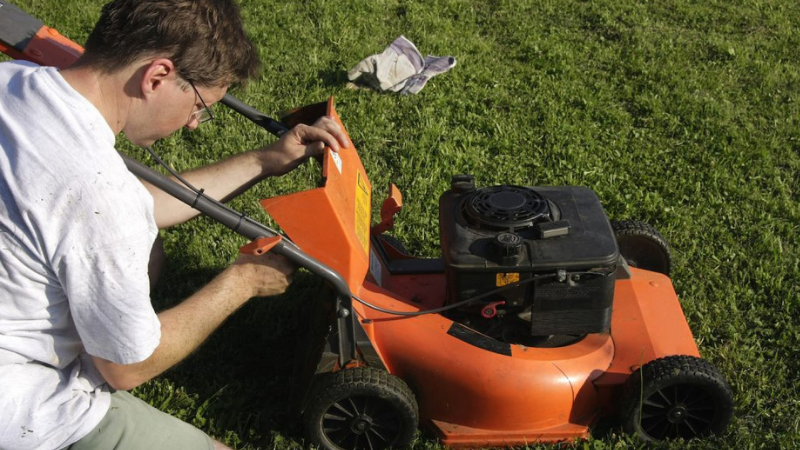
Exhaust and Cooling System Maintenance
The exhaust system is where most visible flames appear, so keeping it in good condition is non-negotiable. Add these checks to your seasonal routine:
- Inspect the exhaust pipe and muffler for cracks, rust-through, or loose fittings — a cracked exhaust lets flames escape outside the intended path and near fuel lines
- Clear the muffler spark arrestor screen if your mower has one — a clogged screen traps hot exhaust gases and raises back-pressure until unburned fuel ignites inside the muffler
- Clean cooling fins on the engine block with compressed air at the start of every season — blocked fins raise operating temperature, which amplifies every combustion problem
- Verify heat shields are secure and undamaged — they exist to direct exhaust away from the fuel tank and rubber components
- Replace the spark plug every season regardless of appearance — it's cheap insurance against misfires
A well-maintained exhaust system doesn't just prevent flames. It also prevents the loud pops, bangs, and unusual noises that signal something is degrading before it becomes a visible problem. Noise is almost always the first warning that flames are coming.
What Repairs Will Cost You
DIY Repairs
Most flame-related repairs are DIY-friendly and inexpensive. The parts costs are minimal — it's the diagnostic time and labor that commercial shops charge for. If you can follow a numbered step list and work with basic hand tools, you can handle everything short of a valve job yourself.
- Air filter replacement: $5–$15
- Spark plug replacement: $3–$10
- Carburetor rebuild kit: $8–$25
- Full carburetor replacement (if the body is damaged): $20–$65
- Exhaust system repair or muffler replacement: $10–$45 in parts
- Valve job parts (if you do the disassembly yourself): $15–$40
Professional Repair Costs
If you take the mower to a small engine shop, expect parts cost plus labor — most independent shops charge $65–$90 per hour. The table below gives you a realistic range for the most common repairs.
| Repair Type | DIY Cost | Professional Cost | Difficulty Level |
|---|---|---|---|
| Air filter replacement | $5–$15 | $25–$50 | Easy |
| Spark plug replacement | $3–$10 | $30–$60 | Easy |
| Fuel drain and carburetor clean | $0–$10 | $60–$100 | Easy |
| Carburetor rebuild | $8–$25 | $85–$160 | Moderate |
| Carburetor replacement | $20–$65 | $110–$210 | Moderate |
| Exhaust/muffler repair | $10–$45 | $80–$180 | Moderate |
| Valve adjustment or replacement | $15–$40 (parts) | $160–$320 | Advanced |
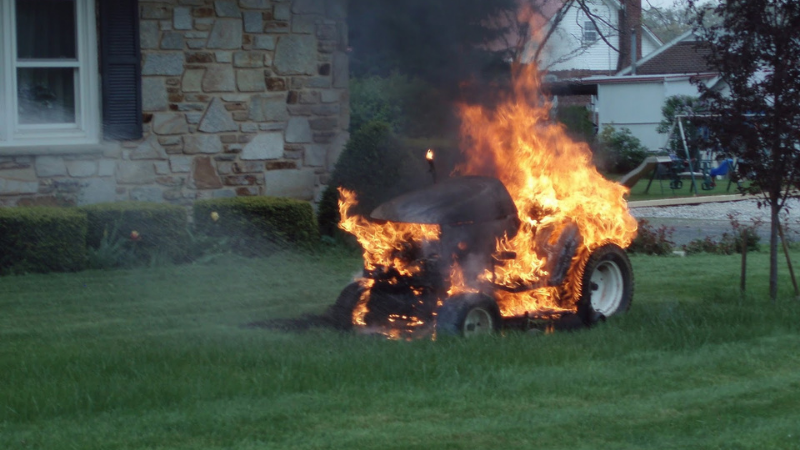
A question that comes up alongside flames: can your lawnmower actually explode? A true explosion from a residential mower is unlikely under normal operating conditions — the fuel tank on a push mower holds 0.25–0.5 gallons, which isn't enough fuel vapor to cause an explosive detonation in open air. However, persistent flames near the fuel tank create a serious fire risk, and that fire can spread to nearby structures or dry grass quickly. If you see flames that don't stop after shutting the engine off, move away and treat it as you would any small fuel fire.
Frequently Asked Questions
Is it dangerous if my lawnmower shoots flames?
Yes — any open flame near a fuel system is a genuine hazard. Shut the engine off immediately if you see sustained flames and step away from the mower until it cools completely. A brief pop or flash at shutdown is less urgent but should still be diagnosed and corrected before the next use.
Why does my lawnmower backfire when I turn it off?
Shutdown backfire happens when you cut engine speed too abruptly — usually going straight from full or mid throttle to off. Unburned fuel in the exhaust ignites from residual heat when the combustion sequence stops suddenly. The fix is simple: throttle down to idle and let the engine run for 30–60 seconds before switching it off.
Can a dirty air filter cause my lawnmower to shoot flames?
Yes, and it's one of the most common causes. A clogged air filter restricts airflow into the carburetor, creating a rich fuel mixture. Excess fuel exits through the exhaust and ignites on hot metal surfaces. Replacing the air filter is the first thing to try — it's the cheapest fix and takes under five minutes.
How do I know if a bad spark plug is causing the flames?
A faulty spark plug causes intermittent misfires that push unburned fuel into the exhaust, where it ignites. Remove the plug and inspect it: heavy black carbon buildup, a worn electrode, or a cracked porcelain insulator all confirm the plug needs replacement. If it's been more than 50 operating hours since your last change, replace it regardless of appearance.
Can a lawnmower explode from shooting flames?
A catastrophic explosion is unlikely under normal residential mower conditions due to the small fuel volume involved. However, persistent flames near the fuel tank create a real fire risk that can spread rapidly. If flames don't stop after you shut the engine off, move away from the mower and don't attempt to restart or repair it until the cause is fully identified and corrected by a qualified mechanic.
Final Thoughts
Now you know exactly why your lawnmower is shooting flames and what to do about it. Start with the simplest fixes first — swap the air filter, replace the spark plug, and correct your shutdown technique. If those don't resolve it, work through the carburetor and then move on to valve diagnosis. Head over to our full gardening tips library for more maintenance guides that keep every tool in your outdoor setup running at its best — your mower, your lawn, and your peace of mind will all be better for it.


About Lee Safin
Lee Safin was born near Sacramento, California on a prune growing farm. His parents were immigrants from Russia who had fled the Bolshevik Revolution. They were determined to give their children a better life than they had known. Education was the key for Lee and his siblings, so they could make their own way in the world. Lee attended five universities, where he studied plant sciences and soil technologies. He also has many years of experience in the U.S. Department of Agriculture as a commercial fertilizer formulator.
Get FREE Gardening Gifts now. Or latest free toolsets from our best collections.
Disable Ad block to get all the secrets. Once done, hit any button below