Have you ever pulled that starter cord a dozen times on the first warm day of spring, only to get silence? If your lawn mower won't start after winter, the good news is this: the fix is almost always one of four things — stale fuel, a fouled spark plug, a gummed-up carburetor, or a failed safety switch. This guide, part of our broader gardening tips coverage, walks you through every cause and every fix in plain language, so you're not guessing on your front lawn.

The root cause is almost always what happened — or didn't happen — during storage. Gasoline breaks down in as little as 30 days without a stabilizer, leaving behind a sticky varnish that clogs jets and fuel passages. Moisture works into the fuel system. Seals dry out. A battery left on a cold concrete floor slowly self-discharges. By the time you're ready to mow, the machine has every reason to refuse.
Work through this guide in order. Each section targets a specific failure point, most fixes take under 30 minutes with basic hand tools, and the total parts cost for the most common repairs is often under $25. Let's get into it.
Contents
How to Fix a Lawn Mower That Won't Start After Winter
Run through these steps in sequence. Resist the urge to skip ahead — each step is faster and cheaper than the next, and the majority of cases resolve at Step 1 or Step 2.
Step 1 — Check the Fuel
Stale fuel is responsible for the majority of post-winter start failures. Old gasoline doesn't just lose combustibility — it oxidizes and leaves a varnish residue inside the carburetor bowl, float needle seat, and fuel lines that blocks flow entirely.
- Drain all old fuel from the tank completely. Never dilute it with fresh gas — that doesn't work.
- Use a fuel siphon pump or run the engine dry before storage next season.
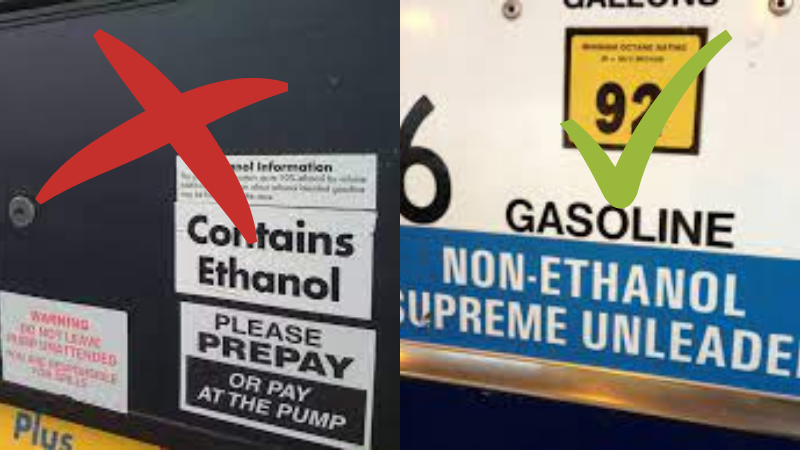
- Refill with fresh 87-octane gasoline, preferably ethanol-free.
- If the tank smells sour or the fuel looks dark amber or brown, it's gone — drain it.
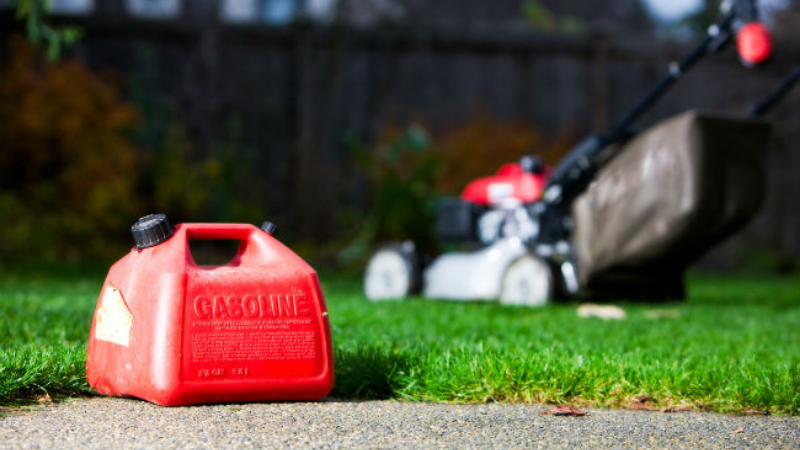
Not sure which fuel to use? Our guide on lawn mower gas vs. car gas breaks down exactly what small engines need and what to avoid at the pump.
Step 2 — Inspect the Spark Plug
A wet, fouled, or cracked spark plug will prevent ignition even when everything else is perfect. Pull it with a socket wrench and read what you see:
- Black, sooty deposits — rich fuel mixture or oil contamination
- White or chalky tip — lean mixture or overheating
- Wet with fuel — flooded engine (addressed in the myths section below)
- Cracked insulator or eroded electrode — replace immediately, no exceptions
Clean a dirty plug with a wire brush and re-gap to your manufacturer's spec (typically 0.030"). If there's any doubt about its condition, replace it. Spark plugs cost under $8 and deliver the highest return on investment of any part on this list. For a detailed look at the wet-plug scenario specifically, read our post on why your lawn mower spark plug is wet.
Step 3 — Clean or Replace the Carburetor
If fresh fuel and a new spark plug don't solve the problem, the carburetor is almost certainly clogged. The tiny jets and passages inside get sealed shut by the varnish deposits old fuel leaves behind — and no amount of fresh gas can clear them on its own.
- Remove the air filter to access the carburetor throat.
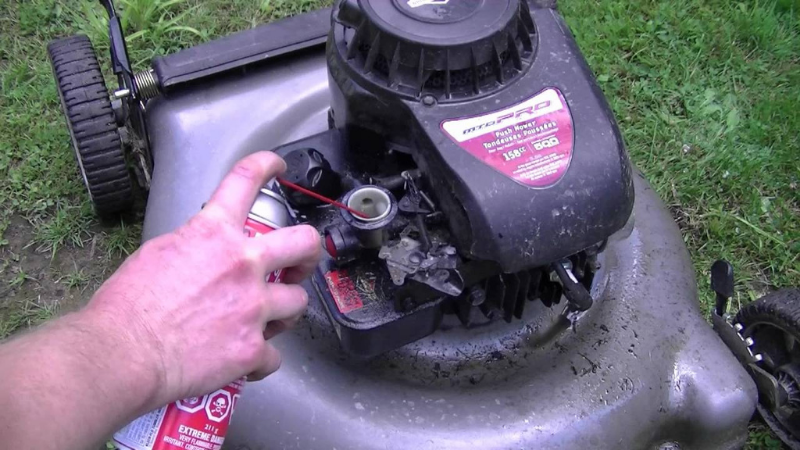
- Spray carburetor cleaner into the throat and let it soak for five minutes.
- Remove the carburetor bowl (single bolt on most small engines) and clean it with carburetor cleaner and a small brush.
- Locate the main jet — the small brass fitting in the center — and confirm its hole is clear. Use a thin wire or compressed air if it's blocked.
- Reinstall and attempt to start.
If cleaning doesn't resolve it, a replacement carburetor for most push mower engines costs $10–$30 online. That's a fraction of a shop call. If you're noticing fuel dripping from the bowl or overflow tube, our post on why your lawnmower carburetor is leaking gas covers float valve failure and the exact repair steps.
Step 4 — Check the Safety Switches
Modern mowers have multiple interlocks — seat switches on riding mowers, blade engagement switches, brake/clutch switches. Any one of these can corrode during winter storage and send a false "not safe" signal that prevents starting.
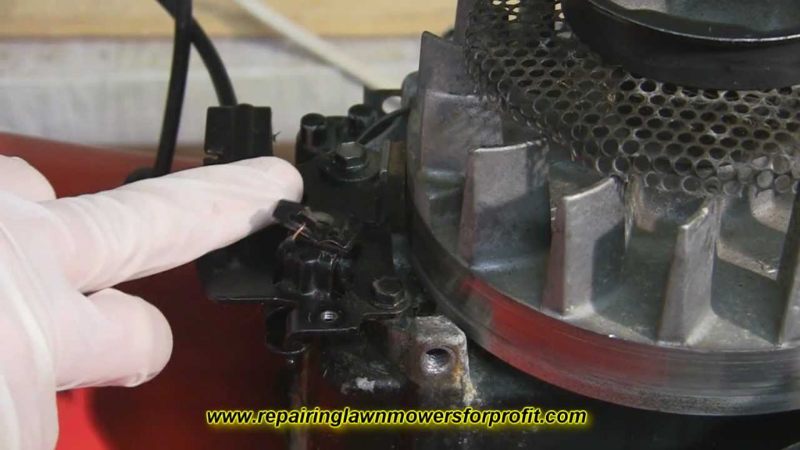
- Confirm the blade engagement lever is fully disengaged before starting.
- On riding mowers, verify you're fully seated with the parking brake set.
- Inspect wiring connectors at each switch — corrosion at the connector can mimic a switch failure.
- Use a multimeter to test continuity. A switch with no continuity when it should be closed is defective.
Always disconnect the spark plug wire before probing any safety switch — it takes five seconds and prevents an accidental start while your hands are near moving parts.
Winter Start-Up Myths You Need to Stop Believing
Bad advice about lawn mower troubleshooting spreads fast. These three myths are responsible for turning inexpensive problems into expensive ones.
Myth: Old Gas Is Fine If the Engine Ran Before Storage
This is categorically false. Even if your mower ran perfectly when you parked it, the fuel inside degraded over the storage period. Ethanol-blended gasoline is particularly destructive — it absorbs atmospheric moisture and phase-separates in as little as 30 days, leaving water in your tank and gummy deposits throughout the fuel system.
There is no fix for this other than draining it out. Adding fresh gas on top of degraded fuel does not restore combustibility. Drain the tank, clean the carburetor, and start fresh.
Myth: Just Keep Cranking and It'll Fire Eventually
Repeated cranking without ignition floods the engine with raw fuel. A flooded engine can hydro-lock — the cylinder fills with enough liquid fuel that the piston physically cannot complete its compression stroke. This can bend the connecting rod, transforming a $5 spark plug fix into a $200 engine repair.
If your mower has been cranked more than 10 times without firing, stop and do this:
- Remove the spark plug entirely.
- Crank the engine several times with the plug out to expel excess fuel from the cylinder.
- Let the cylinder air out for 15–20 minutes.
- Reinstall a clean, dry spark plug and try again with one or two deliberate pulls.
If it starts but then cuts out shortly after, check our guide on why your lawn mower stops running after a while — the issue is usually a partially clogged carburetor or a dirty fuel filter.
Myth: You Can Skip the Carburetor If the Engine Turns Over
Cranking and firing are completely separate functions. The starter motor is mechanical — it works regardless of fuel delivery. An engine that cranks smoothly but never ignites almost always has a fuel delivery problem, and the carburetor is the most likely culprit.
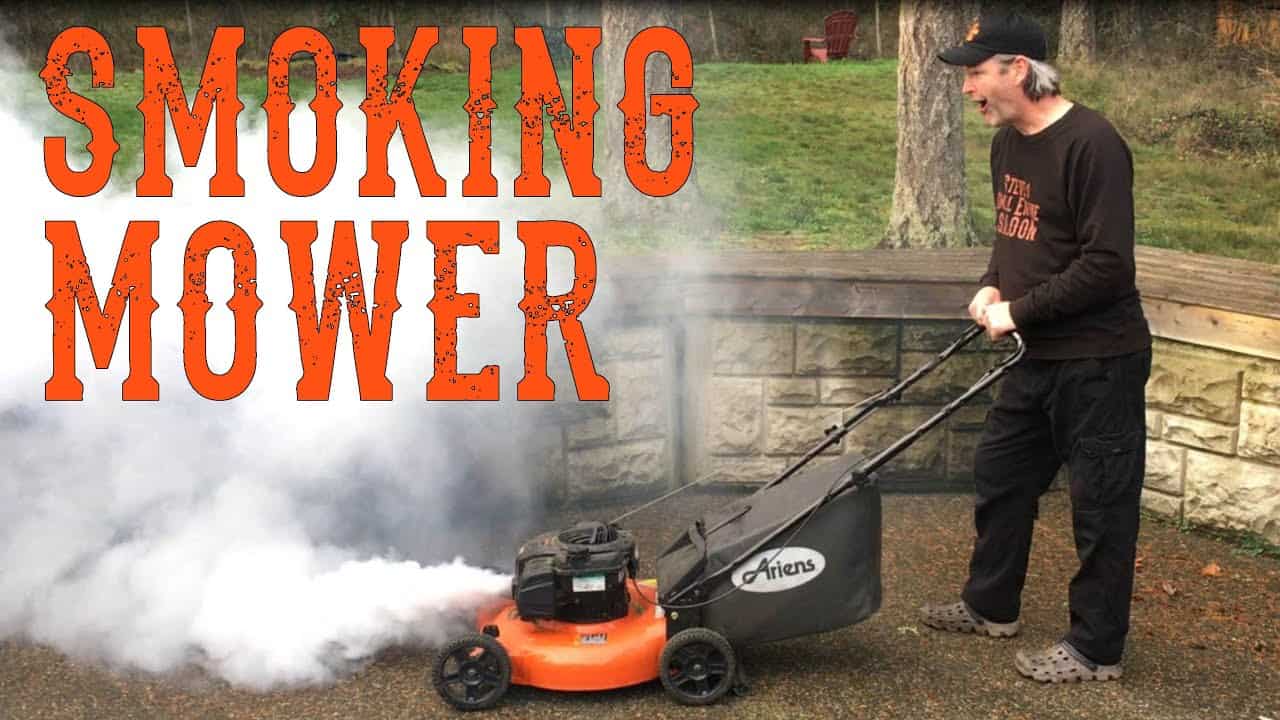
White or blue smoke on startup is a separate issue — oil has entered the combustion chamber, usually from the mower being tipped incorrectly during storage or maintenance. That's not a winter start problem, but it will get worse if ignored.
What Fixing Your Lawn Mower Actually Costs
Before you load your mower into a truck for a shop visit, understand what you're dealing with financially. Most post-winter failures cost under $30 to fix yourself. Here's a realistic breakdown.
| Problem | DIY Parts Cost | Shop Labor Cost | Difficulty |
|---|---|---|---|
| Stale fuel drain & refill | $0–$5 | $20–$40 | Easy |
| Spark plug replacement | $3–$8 | $25–$50 | Easy |
| Carburetor cleaning | $5–$12 | $50–$100 | Moderate |
| Carburetor replacement | $10–$30 | $80–$150 | Moderate |
| Safety switch replacement | $8–$20 | $50–$80 | Moderate |
| Battery replacement | $20–$60 | $40–$80 | Easy |
| Hydro-lock repair (early) | $0 | $150–$300+ | Easy if caught early |
DIY vs. Professional Repair
The four fixes in Section 1 — fuel, spark plug, carburetor, and safety switches — are all DIY-accessible with a socket set and a can of carburetor cleaner. You should only call a shop if you've worked through all four steps and the mower still refuses to start. At that point, internal engine damage is possible and a professional diagnosis is justified.
If the battery is your issue — common on electric-start push mowers and all riding mowers — read our post on why your lawnmower battery keeps dying before spending money on a replacement. A faulty charging circuit will kill a brand-new battery just as fast as the old one.
When Replacement Makes More Sense
If your mower is more than 8–10 years old and needs a new carburetor, battery, and spark plug simultaneously, do the math. Entry-level push mowers start around $200. If combined repair costs exceed 50% of what a comparable new machine costs, replacement is the smarter investment.
Stop Winter Start Problems Before They Happen
Every issue in this guide is preventable with one hour of prep work at the end of the mowing season. These steps eliminate the conditions that cause a lawn mower to refuse to start after winter in the first place.
End-of-Season Prep Checklist
- Drain the fuel tank completely — run the engine until it stalls from fuel starvation, or use a siphon pump. This is the single most important step.
- Change the engine oil — used oil contains combustion acids that corrode engine internals over a long storage period.
- Replace the spark plug — it's cheap insurance and guarantees a strong spark on the first pull in spring.
- Clean or replace the air filter — a clogged filter restricts airflow and makes cold starts even harder.
- Scrape the underside of the deck — compacted grass traps moisture and accelerates rust.
- On riding mowers, remove the battery and store it on a trickle charger in a climate-controlled space.
- Apply a light coat of WD-40 to exposed metal surfaces to prevent surface corrosion.
Fuel Stabilizer and Battery Storage
If draining the tank completely isn't practical, add a quality fuel stabilizer and run the engine for five minutes afterward. This distributes the stabilizer through the entire fuel system — not just the tank. Most stabilizers protect fuel for up to 12 months when applied correctly.
Avoid E10 and higher ethanol blends for small engines whenever possible. Ethanol attracts moisture from the air and degrades faster than pure gasoline. Many hardware stores carry ethanol-free premium fuel in cans specifically for small engines and outdoor power equipment. It costs more per gallon — and it saves far more in repairs.
Frequently Asked Questions
Why won't my lawn mower start after winter even with fresh gas?
Fresh gas alone won't fix a carburetor that's already gummed up from old fuel. The varnish deposits from degraded gasoline block the tiny jets inside the carburetor, and no amount of new fuel can dissolve them. You need to physically clean the carburetor bowl and main jet with carburetor cleaner spray, or replace the carburetor entirely if cleaning doesn't restore flow.
How do I know if my lawn mower carburetor is clogged after winter?
The clearest sign is an engine that cranks normally but either won't fire at all or fires briefly and immediately dies. You may also notice the engine running rough or surging erratically on the rare occasion it does start. Remove the carburetor bowl and look for dark residue or a blocked main jet — that confirms the diagnosis.
Can I leave gas in my lawn mower over winter if I add stabilizer?
Yes, but you must add the stabilizer before the gas degrades — not after — and then run the engine for at least five minutes to circulate it through the entire fuel system. Stabilizer added to already-degraded fuel provides little protection. For maximum reliability, draining the tank completely is always the better choice.
What does it mean if my lawn mower just clicks when I try to start it?
A single click or rapid clicking on electric-start mowers points to a dead or discharged battery, or a faulty solenoid. Check the battery voltage with a multimeter — a healthy 12V lawn mower battery should read at least 12.6V at rest. If the voltage is low, charge it fully before attempting to start. If it won't hold a charge, it needs replacement.
Is it safe to use starting fluid to get my mower going after winter?
Starting fluid (ether spray) can help diagnose whether you have a fuel delivery problem versus an ignition problem — if the engine fires briefly with starting fluid but won't run on its own, fuel delivery is the issue. Use it sparingly. Repeated heavy use of starting fluid on small engines can wash oil off cylinder walls and accelerate wear, so treat it as a diagnostic tool rather than a regular fix.
How often should I service my lawn mower to prevent winter start problems?
At minimum, replace the spark plug and change the engine oil every season — ideally at end-of-season storage prep. Clean or replace the air filter every season as well, and inspect the carburetor if the mower ran rough at any point during the previous season. Following this routine consistently eliminates the vast majority of cold-start failures before they occur.
One hour of end-of-season prep is worth more than an entire afternoon of spring troubleshooting — drain the fuel, change the plug, and your mower will start on the first pull every time.


About Lee Safin
Lee Safin was born near Sacramento, California on a prune growing farm. His parents were immigrants from Russia who had fled the Bolshevik Revolution. They were determined to give their children a better life than they had known. Education was the key for Lee and his siblings, so they could make their own way in the world. Lee attended five universities, where he studied plant sciences and soil technologies. He also has many years of experience in the U.S. Department of Agriculture as a commercial fertilizer formulator.
Get FREE Gardening Gifts now. Or latest free toolsets from our best collections.
Disable Ad block to get all the secrets. Once done, hit any button below