Cheap activated carbon filter problems will quietly undermine your indoor garden long before you notice the damage. Skip the budget option — a low-quality carbon filter doesn't just underperform, it actively degrades your plants' growing environment. If you're serious about indoor cultivation, filtration is the one area where spending right the first time saves you money, time, and crop losses. Explore our full gardening tips section for more on building a resilient grow setup from the ground up.

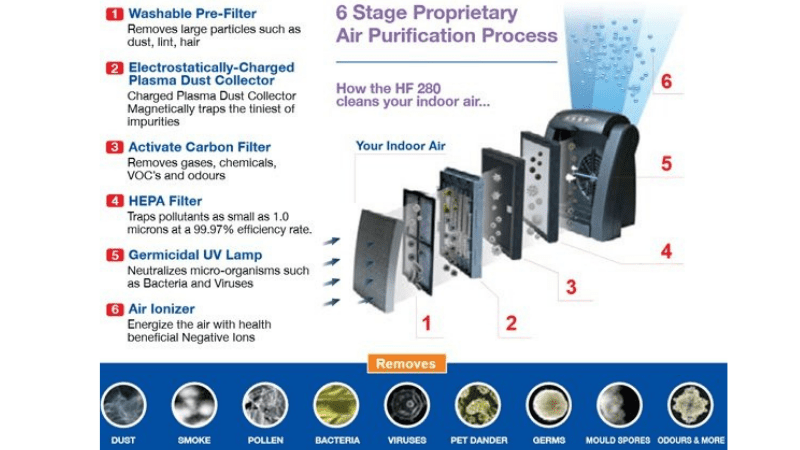
Activated carbon works through adsorption — odor molecules and VOCs bond to the vast network of micropores packed inside each carbon granule. A quality filter contains 500g or more of high-grade virgin carbon, sustaining effective adsorption for 12–18 months. A cheap one uses low-grade carbon with minimal surface area, saturates in weeks, and then starts releasing trapped compounds back into your air.
The consequences spread through your entire grow. Your space smells. Your plants encounter elevated VOC levels that stress their metabolism. Humidity dynamics shift in ways that invite mold. And because degradation is gradual, you often won't connect the dots until real damage is done. Here's exactly what you need to know.
Contents
Where Carbon Filters Fit in Your Indoor Garden
Carbon filters aren't just an odor fix. In a well-designed indoor grow, they're a core air quality component — and understanding their role clarifies exactly why filter quality matters so much.
Grow Tents and Enclosed Spaces
Grow tents are the most common application. You're creating a sealed microclimate, and everything happening inside — plant respiration, decomposing organic matter, high humidity — generates gases and odors that accumulate fast. A carbon filter connected to your inline duct fan scrubs that air before it exits the tent.
- Filters mount inside the tent at the highest point — hot, odor-laden air rises
- Air is pulled through the carbon bed and expelled outside the tent via ducting
- Fan and filter CFM ratings must be matched — mismatched pairings leave air under-filtered or create backpressure
- A clogged or saturated filter increases resistance, straining your fan and reducing air exchanges per hour
If you're setting up in an unconventional location, the guide on putting a grow tent in your garage covers how ventilation and filtration requirements shift in that environment.
Odor Control in Residential Settings
For home growers, odor control is non-negotiable. A quality carbon filter eliminates smell at the source before air leaves your space. A cheap filter lets odor molecules break through as soon as the carbon saturates — which happens in weeks, not months.
Pro tip: Replace your carbon filter's pre-filter sleeve every 4–6 weeks. A clogged pre-filter forces your fan to work harder and accelerates saturation of the carbon bed inside.
Protecting Your Plants From VOCs
Carbon filters don't just protect people from plant smells — they protect your plants too. In a sealed space, off-gassing from equipment, growing media, and certain fertilizers releases VOCs that accumulate to plant-stressing concentrations. Quality filtration keeps those levels consistently low.
How to Spot Cheap Activated Carbon Filter Problems Before You Buy
Most budget filters look identical to quality ones in product photos. Here's how to cut through the marketing and identify the warning signs before you spend a dollar.
Checking Carbon Weight and Bed Depth
Carbon weight is the single most important spec. More carbon means more surface area, which means longer effective life. Here's how to evaluate it:
- Check the listed carbon weight — quality 4-inch filters typically contain 500–800g of activated carbon. Budget filters list 150–300g or omit the spec entirely.
- Weigh it when it arrives — a properly filled 4-inch filter is noticeably heavy. If it feels like an empty cardboard tube, it's underfilled.
- Look for bed depth specs — air should pass through at least 2–3 inches of carbon. Thinner beds saturate in weeks.
- Verify the carbon type — virgin activated carbon from coconut shell or coal outperforms blended or recycled carbon used in budget units by a wide margin.
Evaluating the Flange and Housing
The filter's physical construction determines whether air actually passes through the carbon or bypasses it:
- Flanges should fit snugly into your ducting — loose flanges create air bypasses that defeat the entire purpose
- Housing must be rigid, not flexible — soft mesh outer sleeves collapse under airflow and channel air around the carbon
- Pre-filter covers should be removable and washable so you can maintain them independently
- End caps must be fully sealed — gaps around edges allow unfiltered air to pass straight through
Reading the Specs That Actually Matter
Manufacturers bury the useful numbers. Here's what to find and compare:
| Spec | Budget Filter | Quality Filter | Why It Matters |
|---|---|---|---|
| Carbon weight | 150–300g | 500–1,500g | Determines total adsorption capacity and lifespan |
| Carbon bed depth | <2 inches | 3–5+ inches | Thicker bed = longer contact time = more absorption per pass |
| Rated lifespan | 1–3 months | 12–18 months | Directly determines real cost per month of use |
| CFM rating | Often unlisted | Clearly stated | Must match your fan to prevent bypass or backpressure |
| Carbon type | Blended or recycled | Virgin coconut shell | Virgin carbon has 2–3x more micropore surface area |
| Flange fit | Loose, universal-fit | Tight, size-specific | Loose flanges allow unfiltered air to bypass the carbon bed |
The Real Cost of Cheap Carbon Filtration
The upfront price of a budget filter is lower. Every other dimension of the cost equation goes the other way.
Short-Term Savings, Long-Term Losses
Here's the math most budget buyers skip:
- A $15 budget filter saturates in 6–8 weeks. Replacing it every two months costs $90–120 per year.
- A $65 quality filter lasts 12–18 months. Annualized cost: $43–65 — and it performs consistently the entire time.
- Budget filters cost more per month of effective use, not less. The savings are an illusion.
- You also pay in time: sourcing replacements, ordering, and reinstalling every two months adds up fast.
Beyond dollars, cheap filters expose your plants to degraded air during the "bridge" weeks when carbon is saturated but you haven't replaced it yet. That's when real plant stress accumulates.
How Performance Drops Over Time
Quality filters decline gradually and predictably. Cheap activated carbon filter problems follow a much steeper degradation curve:
- Weeks 1–3: Adequate performance — fresh carbon adsorbs effectively
- Weeks 4–6: Noticeably reduced odor control — carbon approaching saturation
- Weeks 7+: Near-total failure — trapped compounds begin off-gassing back into your grow space
A quality filter maintains 80–90% effectiveness through the majority of its rated lifespan, then declines slowly and predictably — giving you time to replace it on schedule rather than in a crisis.
What Beginners Get Wrong vs. What Experts Do
Common Beginner Mistakes
New indoor growers make more errors with carbon filtration than with almost any other component. The most common ones:
- Buying on price alone — filters look the same in photos, so why spend more? Because the carbon inside is completely different.
- Ignoring CFM matching — a filter rated for 100 CFM on a 200 CFM fan means air moves through too fast for proper adsorption
- Skipping the pre-filter sleeve — dust and particulates clog the carbon bed when nothing catches them first, dramatically cutting rated lifespan
- Positioning the filter at floor level — hot, odor-laden air rises, so floor-mounted filters miss most of what they need to catch
- Running the fan at maximum speed continuously — this accelerates saturation; variable-speed fans at 60–70% extend filter life significantly
If you're managing humidity alongside filtration, the guide on why your grow tent is wet inside walks through how inadequate air exchange drives moisture problems that compound over time.
How Experienced Growers Set Up Filtration
Experienced growers treat filtration as a system, not a single component. Follow this setup sequence:
- Size your fan first — calculate your grow space volume and target roughly one full air exchange per minute
- Match filter CFM to your fan — slightly higher CFM on the filter is acceptable; lower is not
- Run at 60–70% fan speed during most of the grow — increased contact time between air and carbon extends filter life meaningfully
- Mount the filter at the highest point inside the tent — let natural convection work in your favor
- Replace the pre-filter sleeve every 4–6 weeks — the carbon itself will last far longer when particulates can't reach it
- Track your install date — follow the manufacturer's rated lifespan, don't wait for odor to confirm the filter has failed
The flowering stage is particularly demanding on your filtration system. Knowing when to lower humidity during flowering helps you coordinate your ventilation strategy with peak odor intensity — the two are closely linked.
Real Problems Cheap Filters Create in the Garden
Beyond theory — here's what actually happens to real grows when cheap activated carbon filter problems go unaddressed.
Odor Breakthrough
Odor breakthrough is the most obvious failure mode. Once the carbon saturates, smell escapes your grow space unfiltered. For home growers, this is an immediate quality-of-life issue. For anyone in a shared building or residential neighborhood, it creates real social and legal complications.
The insidious part is that the failure is gradual. You're in the grow space every day and adapt to the smell incrementally. Visitors — or neighbors — detect the breakthrough long before you do. A quality filter with a predictable 12–18 month lifespan lets you stay proactive. A cheap one keeps you perpetually reactive.
Plant Health and Air Quality
Your plants breathe the same air your filter is supposed to clean. When filtration fails, VOC concentrations rise inside the grow space.
- Elevated ethylene accelerates leaf senescence, causing premature aging before harvest
- Accumulated terpenes at high concentrations feedback-inhibit plant growth
- Stressed plants from poor air quality are significantly more susceptible to pests — see our guide on getting rid of spider mites naturally for what to do when infestations take hold
Even sensitive houseplants outside a grow tent benefit from clean air nearby. If you're growing varieties like snake plants indoors, stable air quality supports consistent, predictable growth patterns that make troubleshooting much simpler.
Warning: Never run a grow space with a saturated filter and compensate by increasing fan speed. Faster airflow through exhausted carbon just moves contaminated air faster — it doesn't filter it.
Mold and Humidity Cascades
This is where cheap activated carbon filter problems become genuinely expensive. Here's the cascade sequence:
- Cheap filter saturates and airflow resistance increases
- Your fan strains against the resistance; air exchanges per hour drop
- Humidity climbs as moisture-laden air can't fully exit the space
- Elevated canopy humidity creates ideal conditions for mold establishment
- Botrytis or powdery mildew takes hold before you notice elevated humidity on your meter
- You lose part or all of your crop treating an outbreak that started with a $12 filter
The cost of a mold outbreak — or a lost grow — dwarfs any savings from a budget filter. Heat output from your lighting is another ventilation variable that interacts directly with your filtration load; our breakdown of LED lights vs. LED grow lights explains the thermal differences that affect how hard your filtration system has to work.
Frequently Asked Questions
How long does a quality activated carbon filter actually last?
A quality filter from a reputable brand lasts 12–18 months under normal conditions — running at moderate fan speed with a clean pre-filter sleeve in place. Budget filters saturate in 4–8 weeks. Always record your install date and replace on schedule rather than waiting for odor to confirm the filter has failed.
Can you recharge or reactivate a used carbon filter at home?
No — not effectively. Some guides suggest baking a spent filter in an oven, but the temperatures needed to drive off adsorbed molecules without degrading the carbon structure require industrial equipment. Attempting home reactivation risks releasing concentrated contaminants back into your grow space. When a filter is spent, replace it with a quality unit.
What's the difference between activated carbon and a basic charcoal filter?
Activated carbon is a specifically processed form of carbon with an enormous internal surface area — up to 1,500 square meters per gram. Standard charcoal has far less surface area and minimal adsorption capacity for VOCs and odor molecules. When you see "charcoal filter" listed on a budget product, that's a red flag. Legitimate activated carbon filters state the carbon type explicitly and list the carbon weight in the specs.
Key Takeaways
- Cheap activated carbon filter problems compound silently — low carbon weight, air bypasses, and rapid saturation collectively degrade your entire grow environment before you notice the symptoms.
- Budget filters cost more per month of effective use than quality alternatives once you account for how frequently they need replacing.
- Always match your filter's CFM rating to your fan, run at 60–70% speed, and mount the filter at the highest point inside your tent for maximum effectiveness.
- A saturated filter actively harms your grow — rising humidity and VOC buildup create mold conditions and plant stress that cost far more than the price difference between cheap and quality filtration.


About Lee Safin
Lee Safin was born near Sacramento, California on a prune growing farm. His parents were immigrants from Russia who had fled the Bolshevik Revolution. They were determined to give their children a better life than they had known. Education was the key for Lee and his siblings, so they could make their own way in the world. Lee attended five universities, where he studied plant sciences and soil technologies. He also has many years of experience in the U.S. Department of Agriculture as a commercial fertilizer formulator.
Get FREE Gardening Gifts now. Or latest free toolsets from our best collections.
Disable Ad block to get all the secrets. Once done, hit any button below