Activated carbon removes more than 99% of airborne odors and volatile organic compounds when functioning correctly — yet most growers never reach that ceiling because their setup is wrong from the start. If you've been wondering whether a carbon filter vent outside is truly necessary, or whether recirculating filtered air inside your tent is a viable option, the answer hinges on a few key variables. Understanding how these systems actually work will save you money, prevent odor blowouts, and keep your plants thriving. For a broader look at indoor growing fundamentals, explore our gardening tips section.
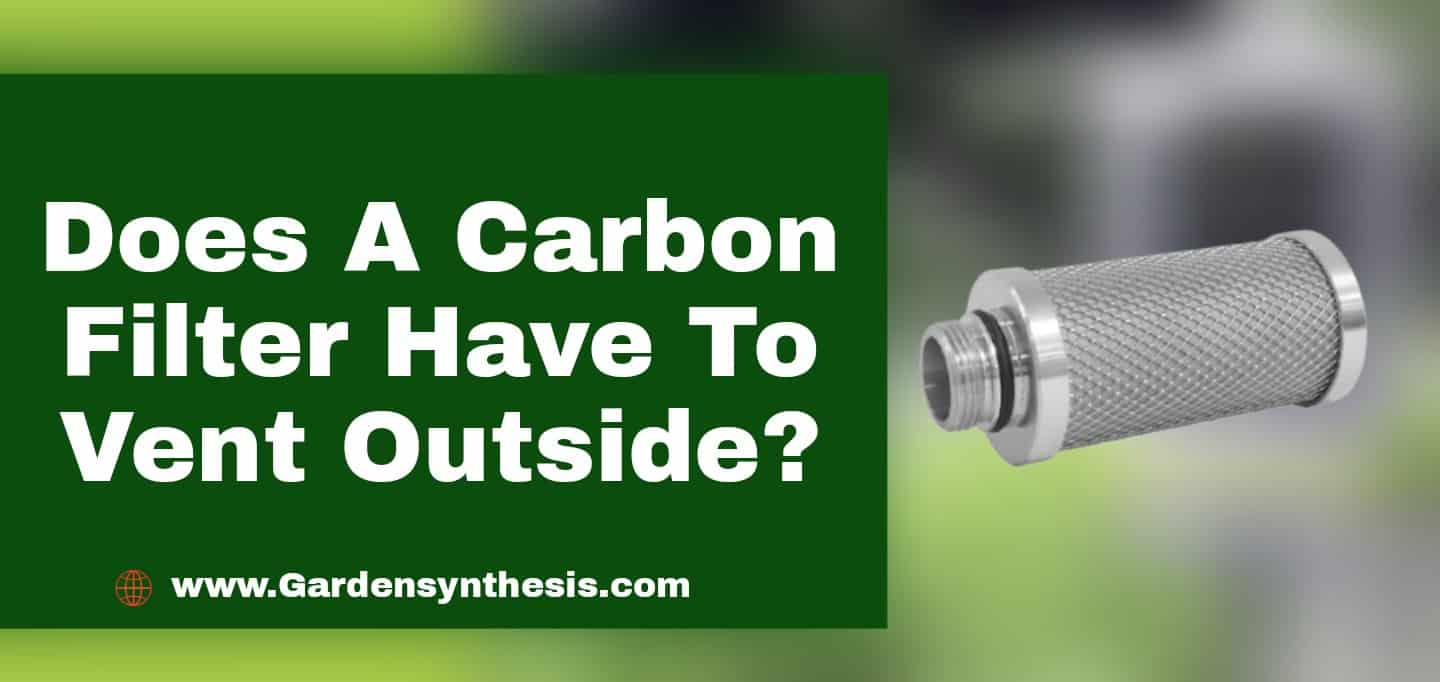
Carbon filters have become a staple in grow tents precisely because they're so effective at stripping odor-causing molecules from the air before it leaves your grow space. But "effective" is a conditional word. A filter paired with the wrong fan, placed incorrectly, or used in a space that isn't properly sealed will underperform significantly. Before you assume your venting arrangement is acceptable, it helps to start from the ground up.
Whether you're growing herbs, vegetables, or flowering plants indoors, the principles behind odor and humidity control are the same. This guide walks you through how carbon filtration works, when outside venting is non-negotiable, and how to sidestep the most common mistakes growers make with their setups.
Contents
How Carbon Filters Actually Work
The Role of Activated Carbon
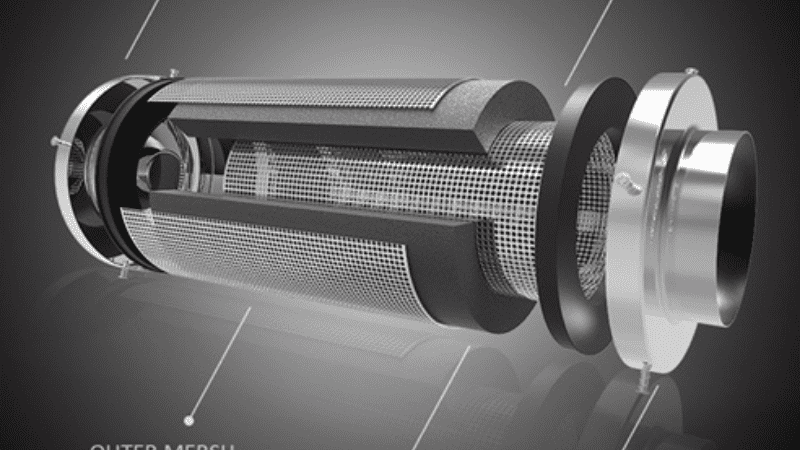
Activated carbon is a processed form of carbon treated to create millions of tiny pores across its surface area. According to the U.S. Environmental Protection Agency, activated carbon is one of the most effective materials for adsorbing volatile organic compounds (VOCs) from indoor air. When air passes through the carbon bed inside your filter, odor molecules bond to the carbon's surface through a process called adsorption — they stick to the pores and don't release back into the airflow.
This is why the quality of your carbon matters. Cheap filters use low-grade carbon with smaller surface area, meaning fewer pores and less adsorption capacity. Premium Australian or virgin activated carbon offers a dramatically larger surface area per gram, which translates to better odor removal and a longer filter lifespan before the carbon becomes saturated.
Why Airflow Direction Matters
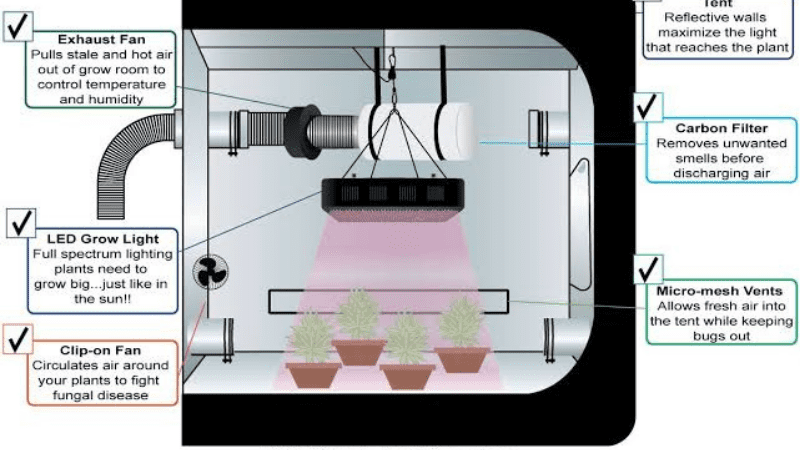
Your inline fan creates negative pressure inside the tent when placed correctly — meaning air pressure inside the tent is slightly lower than outside it. This negative pressure is what keeps odors from escaping through gaps and zippers. When air is pulled through the carbon filter and then exhausted out, odor molecules are trapped inside the filter before the air exits. Reversing this airflow — pushing air through the filter rather than pulling — is significantly less effective and is a common beginner mistake.
Pro tip: Always configure your inline fan to pull air through the carbon filter, not push it. Pull-through configurations create the negative pressure needed to prevent odor leaks through tent seams.
Does a Carbon Filter Have to Vent Outside?
When Outside Venting Is Necessary
The short answer is: no, a carbon filter does not have to vent outside — but venting outside is almost always the better option. When your inline fan exhausts filtered air into the same room the tent sits in, you're betting that the carbon has removed 100% of odor molecules. In practice, no filter achieves perfect removal every session, especially as the carbon ages. Exhausting outside eliminates the residual risk entirely.
Outside venting also serves a second critical purpose: heat and humidity removal. Grow lights generate substantial heat, and your plants transpire constantly. If you recirculate exhausted air back into the room, heat and moisture accumulate over time. This can drive up humidity levels and raise temperatures enough to stress your plants. If you're already dealing with moisture issues, check out these cheap ways to lower humidity in a grow tent for practical solutions that complement your carbon filter setup.
When You Can Get Away Without It
Recirculating filtered air through a carbon filter — without venting outside — can work under specific conditions. If you're growing low-odor plants like most vegetables and herbs, the demand on your filter is minimal. You might also be in a space where running ducting to a window isn't feasible. In these cases, a dual-filter recirculation loop (one filter on intake, one on exhaust) can maintain acceptable air quality. That said, you still need to manage CO₂ levels and heat independently.
For growers of fragrant flowering plants, outside venting is essentially non-negotiable if odor control matters to you. If you're curious about detection risks associated with indoor growing, the article on whether police can detect grow tents covers how ventilation choices affect your overall grow room signature.
Setup Mistakes That Hurt Filter Performance
Skipping the Pre-Filter
A pre-filter is the fabric sleeve that wraps around the outside of your carbon filter. Many growers skip it or remove it entirely, and this is one of the fastest ways to shorten your filter's lifespan. Without a pre-filter, dust, plant debris, and particulates clog the carbon bed directly. Once the outer carbon layer is coated in fine particles, airflow resistance increases and adsorption efficiency drops. A clean pre-filter, washed every few weeks, can extend the life of your main carbon bed by months.
Undersizing Your Inline Fan
Your inline fan needs to be sized to exchange the entire air volume of your tent at least once every one to three minutes. An undersized fan won't pull air through the carbon bed fast enough to maintain negative pressure, which lets odors seep out through tent gaps. Conversely, an oversized fan pushes air through the carbon so quickly that contact time is too short for effective adsorption.
| Tent Size | Volume (cu ft) | Recommended CFM | Filter Size |
|---|---|---|---|
| 2×2 | ~32 | 100–150 CFM | 4-inch |
| 3×3 | ~72 | 150–200 CFM | 4–6 inch |
| 4×4 | ~128 | 200–300 CFM | 6-inch |
| 5×5 | ~200 | 300–400 CFM | 6–8 inch |
| 4×8 | ~256 | 400–500 CFM | 8-inch |
Match your fan to your tent volume first, then select a carbon filter rated at or above the fan's CFM output. A quality exhaust fan for your grow tent is just as important as the filter itself — the two components work as a system, not independently.
Smart Tips to Maximize Odor Control
Placement Strategies That Work
Position your carbon filter at the top of your grow tent whenever possible. Heat rises, and the hottest, most odor-laden air accumulates near the ceiling. Connecting the filter at that high point ensures you're drawing out the most problematic air first. Run ducting from the filter through your inline fan and out through the tent's top duct port, then route it to a window or an adjacent room with ventilation.
If you need the filter outside the tent for space reasons, place it in-line on the exhaust side rather than the intake side. This still allows air to pass through the carbon bed before escaping into your room or ducting it outside. If you're growing vegetables indoors, you may find that odor control is less critical — the article on whether you need a carbon filter in a grow tent for vegetables gives a practical breakdown of which crops genuinely require filtration and which don't.
Extending Your Filter's Life
Most quality carbon filters last between one and two years with regular use. High humidity is the single biggest enemy of activated carbon. Moisture occupies the same pore sites that odor molecules would otherwise bond to, dramatically reducing adsorption capacity. Keep your grow room humidity below 70% to prevent premature carbon saturation. If your environment is naturally humid, a dehumidifier paired with your ventilation system will pay for itself in extended filter life alone.
Warning: Never store a used carbon filter in a damp area between grows. Moisture absorbed during storage permanently degrades the carbon bed, even before you run a single air exchange through it.
Building a Complete Ventilation System
Sealing Your Grow Space Properly
A carbon filter cannot compensate for a leaky tent. Every open zipper gap, unpatched duct port, or loose flap is a path for unfiltered air to escape directly into your room. Walk around your tent with a small fan blowing smoke or incense near the seams — any wisp of smoke drawn inward confirms negative pressure and a good seal. Any smoke that pushes outward reveals a leak point that needs attention.
Use clip-on magnets, tent repair tape, or foam weatherstripping to close gaps around zippers and ports. Unused duct holes should be covered with the manufacturer's included port covers. If your tent runs warm, consider adding a supplemental heater for winter months rather than reducing fan speed, which would weaken negative pressure and allow odors to escape.
Monitoring and Maintenance
Build a simple maintenance routine around your ventilation system. Check these items on a regular schedule:
- Inspect and wash the pre-filter sleeve every two to four weeks to prevent particulate buildup on the carbon bed.
- Check duct connections for loosening every month — vibration from the inline fan works fittings loose over time.
Replace your carbon filter when you notice odors breaking through despite a clean pre-filter and properly sized fan. Most growers get a reliable signal from a faint smell at the exhaust point — that's your indicator that the carbon is nearing saturation. Trying to squeeze extra months out of a spent filter usually costs more in odor problems than a replacement filter would have.
Frequently Asked Questions
Does a carbon filter have to vent outside to work effectively?
No, but venting outside is strongly recommended. Exhausting filtered air outside eliminates residual odor risk and removes heat and humidity from your grow space. Recirculating filtered air inside the room can work for low-odor plants but leaves you vulnerable if the carbon is aging or humidity is high.
Can I place the carbon filter outside the grow tent?
Yes. Placing the filter outside the tent on the exhaust side is a valid setup, especially when space inside the tent is limited. Air passes through the filter before escaping into your room. Just make sure the ducting connection is airtight so no unfiltered air bypasses the carbon bed.
How often should I replace my carbon filter?
Most quality carbon filters last one to two years depending on usage and humidity levels. High moisture environments shorten this significantly. When odors start breaking through despite a clean pre-filter and properly sized fan, it's time to replace the carbon bed or the whole unit.
What size carbon filter do I need for my grow tent?
Match the filter's CFM rating to your inline fan and tent volume. For a 4×4 tent, a 6-inch filter rated at 200–300 CFM paired with a comparably rated fan is a standard recommendation. Always size the fan first based on tent volume, then select a filter that matches or exceeds the fan's output.
Does humidity affect how well a carbon filter works?
Yes, significantly. High humidity causes moisture molecules to occupy the adsorption sites inside the activated carbon, reducing its ability to capture odor compounds. Keeping your grow room humidity below 70% protects the carbon bed and extends your filter's effective lifespan.
Is a carbon filter necessary if I'm only growing vegetables?
It depends on the crops. Most vegetables produce minimal odor and don't require aggressive filtration. However, if you're growing in a shared space or odor-sensitive environment, even light plant smells can accumulate. A carbon filter also helps with air quality and CO₂ management regardless of what you're growing.
Final Thoughts
Now that you understand how a carbon filter vent outside setup works — and when you can adapt it — you're ready to build a ventilation system that actually performs. Take the next step by measuring your tent volume, checking your current fan's CFM rating against the table above, and inspecting your pre-filter this week. Small adjustments to your setup can mean the difference between odors that stay contained and ones that don't.


About Lee Safin
Lee Safin was born near Sacramento, California on a prune growing farm. His parents were immigrants from Russia who had fled the Bolshevik Revolution. They were determined to give their children a better life than they had known. Education was the key for Lee and his siblings, so they could make their own way in the world. Lee attended five universities, where he studied plant sciences and soil technologies. He also has many years of experience in the U.S. Department of Agriculture as a commercial fertilizer formulator.
Get FREE Gardening Gifts now. Or latest free toolsets from our best collections.
Disable Ad block to get all the secrets. Once done, hit any button below