A lawnmower making loud noise is almost always caused by one of five things: a clogged deck, a loose or damaged blade, low engine oil, a worn muffler, or debris caught near the engine. You can identify which one is responsible in under ten minutes — and most fixes cost you nothing but some time. Whether your mower just started rattling this season or the noise has been building for months, this guide gives you every cause, every fix, and honest guidance on when to put down the wrench. Find more helpful lawn and garden advice in our gardening tips section.

Loud noises from a lawnmower are never cosmetic. They're mechanical warnings — and ignoring them almost always turns a $10 fix into a $200 repair. The encouraging part: once you understand the common causes, diagnosing the problem is straightforward. You don't need to be a mechanic. You need to be systematic.
This guide covers the full picture — background on why lawnmowers get noisy, common owner mistakes that make things worse, a step-by-step diagnostic process, and quick fixes you can try today. If your mower is also cutting out mid-session, those problems often share the same root cause as the noise, so it's worth reading both.
Contents
- What's Behind a Lawnmower Making Loud Noise
- Mistakes That Make the Noise Worse
- How to Diagnose a Noisy Lawnmower: Step by Step
- Proven Techniques to Reduce Lawnmower Noise
- When to Fix It Yourself — and When to Stop
- DIY Repair vs. Professional Service: The Real Comparison
- Quick Fixes You Can Do Right Now
- Frequently Asked Questions
- Final Thoughts
What's Behind a Lawnmower Making Loud Noise
Your lawnmower is a small combustion engine attached to a spinning steel blade. Both systems generate noise under normal operation. When something goes wrong — a loose part, a clog, an oil deficiency — that noise spikes. Understanding which system is responsible tells you exactly where to look and what to bring with you to the hardware store.
According to OSHA noise exposure guidelines, prolonged exposure to sounds above 85 decibels causes cumulative hearing damage. A standard gas mower runs at 90–95 dB under normal conditions. A malfunctioning one can exceed 100 dB. That's not just annoying — it's a genuine health hazard for anyone mowing without ear protection.
Engine-Related Causes
The engine is the most common source of abnormal noise. Here are the main culprits:
- Low or dirty engine oil — Without adequate lubrication, metal parts grind against each other. You'll hear a knocking or ticking sound that gets louder as the engine heats up.
- Failing muffler — A cracked or rusted muffler dramatically amplifies exhaust noise. This sounds like a sharp increase in overall volume with a distinct roaring quality.
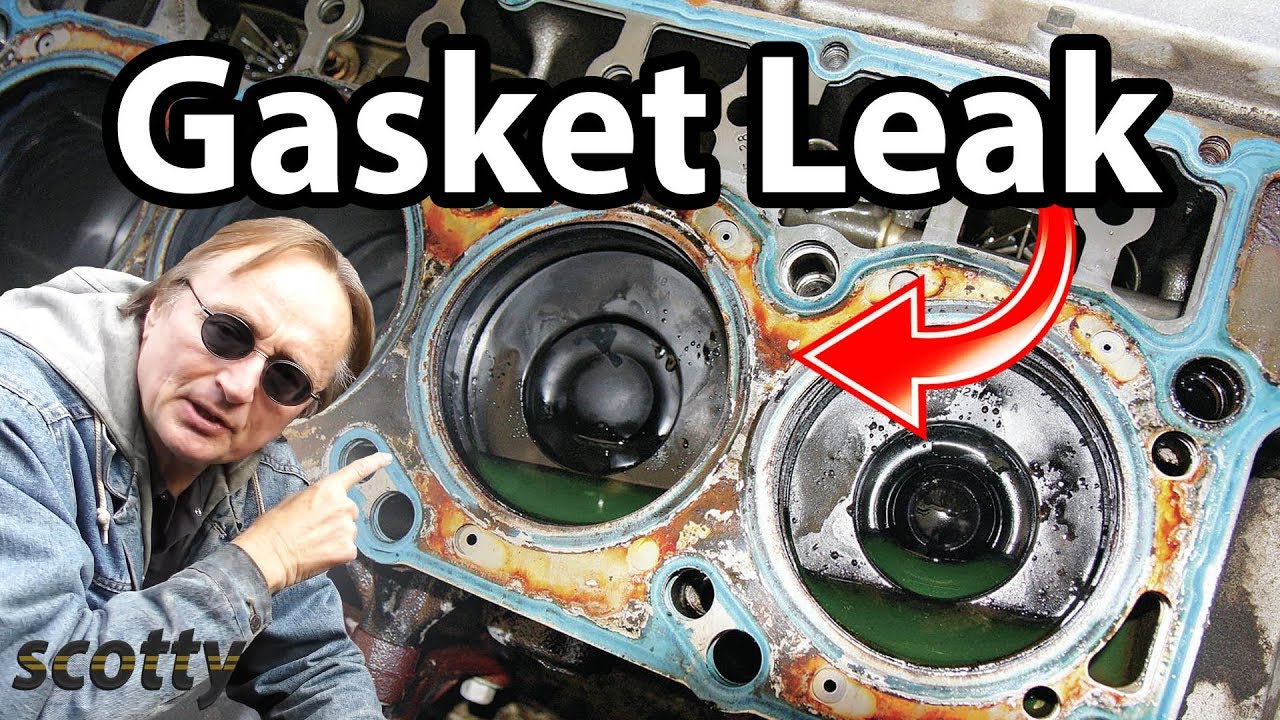
- Loose or blown head gasket — A damaged gasket lets exhaust gases escape before the muffler, producing a hissing or sharp popping sound near the engine block.
- Carburetor problems — A clogged or failing carburetor causes uneven fuel delivery, which creates sputtering and erratic engine noise. If your mower is also leaking fuel, check our guide on lawnmower carburetor leaking gas for the next diagnostic step.
- Worn or fouled spark plug — A spark plug past its service life misfires, which sounds like intermittent popping from the engine with an uneven idle.
Blade and Deck Causes
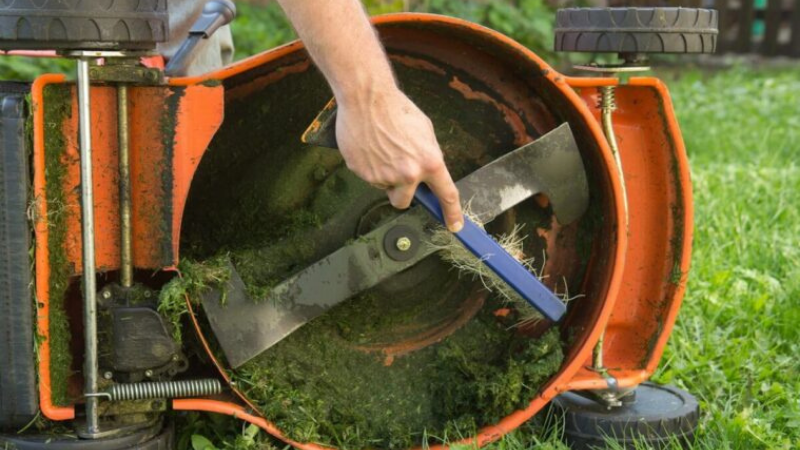
The cutting deck is the second major noise source. Grass clippings, stones, and debris accumulate under the deck with every mowing session. When the blade hits an obstacle or goes out of balance, the entire deck vibrates — and that vibration travels straight up into the handle.
- Loose or bent blade — A blade bolt that's worked loose creates a metallic clanking rattle. A bent blade generates vibration that you feel in the handle as well as hear.
- Debris clogging the deck — Packed grass and hardened mud under the deck create resistance, straining the engine and adding a grinding or whirring undertone to the noise.
- Worn blade spindle bearings — Bearings wear out with time and heavy use. A failing bearing produces a loud squealing or grinding noise, especially noticeable during acceleration or when the throttle changes.
Mistakes That Make the Noise Worse
Most lawnmower noise problems get worse because of what owners do — or don't do — between mowing sessions. These mistakes are common, and they're completely avoidable once you know what to watch for.
Skipping Pre-Season Maintenance
Pulling your mower out of storage and firing it up without any inspection is the single most damaging thing you can do to it. Old fuel that sat in the carburetor all winter gums up the jets. The blade may have nicks from last season that you never addressed. The deck is likely packed with dried grass that acts like an abrasive against the undercarriage during operation.
Before the first mow of the season, run through this checklist:
- Drain old fuel or add a fuel stabilizer — stale gas causes rough running and popping
- Inspect the blade for bends, cracks, or dullness
- Clean the underside of the deck completely
- Check the oil level and replace it if it looks dark, gritty, or is low on the dipstick
- Replace the air filter — a clogged filter forces the engine to work harder and louder to maintain RPM
- Check that all bolts and fasteners on the deck and handle are seated firmly

Running on Low Oil
Running a lawnmower with insufficient oil is the fastest way to destroy an engine. Metal surfaces that should be separated by a film of lubricant start grinding directly against each other. The noise starts as a mild knock and escalates quickly into a full rod knock. Never run your mower if the oil level is below the minimum mark on the dipstick.
If your mower also develops a rapid clicking noise, low oil is frequently the cause — the valve train clicks when it's starved of lubrication. Check the oil before every single mowing session. It takes 30 seconds and is the single most effective thing you can do to extend engine life.
How to Diagnose a Noisy Lawnmower: Step by Step
Diagnosing the source of a noise takes a methodical approach. Work through each system in order rather than guessing and swapping random parts. Here's the exact process to follow, starting with zero tools.
Initial Checks (No Tools Required)
- Listen carefully before you stop the mower. Is the noise rhythmic — clicking or ticking at a set interval — or constant, like roaring or grinding? Rhythmic sounds usually point to the blade or a loose fastener cycling through rotation. Constant sounds suggest the engine, exhaust, or muffler.
- Check the oil level immediately after shutting down. Pull the dipstick, wipe it clean, reinsert it fully, then pull it again. If it reads below the minimum line, you've found at least one contributing problem.
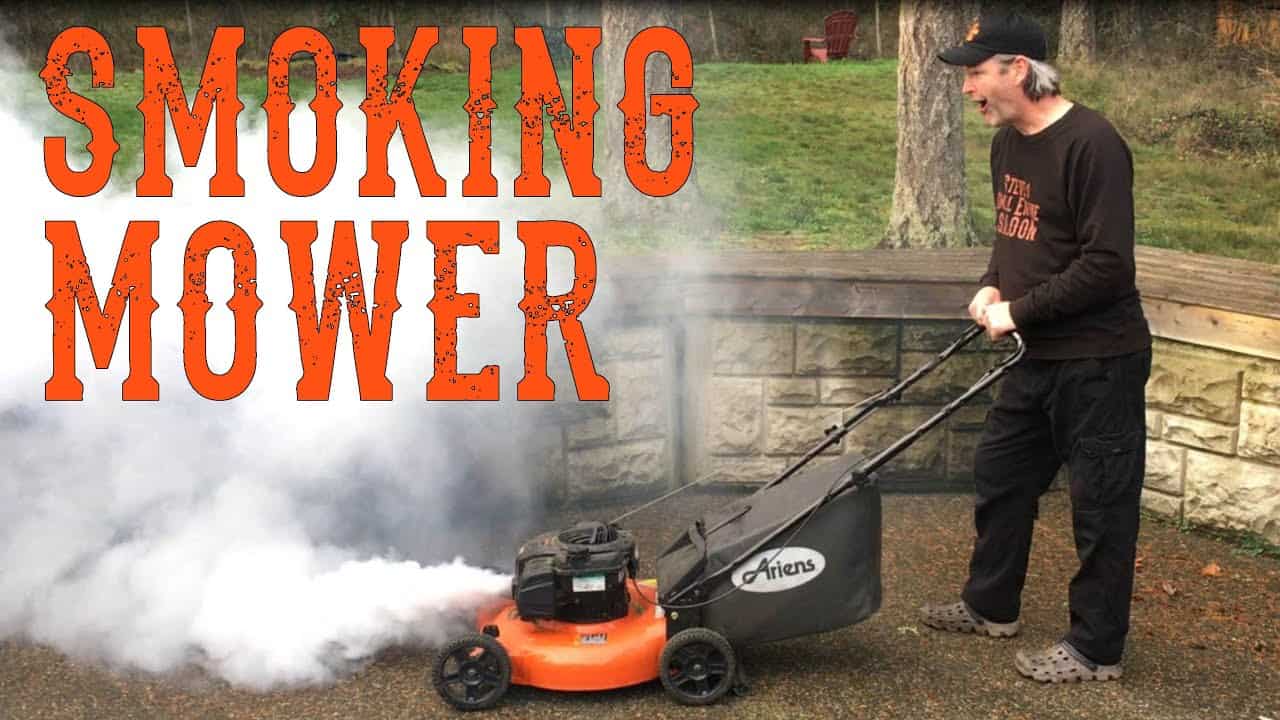
- Look for white or blue smoke. White smoke often means a blown head gasket or oil burning in the combustion chamber. Blue smoke indicates oil entering the cylinder. Either condition points to internal engine damage beyond simple maintenance.
- Inspect the muffler visually. Look for cracks, rust holes, or a muffler that's visibly loose at its mounting bracket. A damaged muffler is often identifiable without removing any components.
Deeper Inspection
Once you've completed the no-tool checks, move to the deck and blade. This step requires you to go underneath the mower — do it safely.
Always disconnect the spark plug wire before working under the deck — this single habit prevents accidental engine starts and takes only five seconds to do.
- Disconnect the spark plug wire first. This is non-negotiable. It prevents any possibility of accidental engine engagement while your hands are near the blade.
- Tip the mower on its side — carburetor side up to prevent oil from flooding the air filter — and inspect under the deck. Look for packed grass, mud, or debris wrapped around the blade spindle or discharge opening.
- Check the blade bolt. Wearing gloves, try to wiggle the blade by hand. Any play at all means the bolt is loose. Tighten it to the manufacturer's specification — typically 35–50 ft-lbs for push mowers.
- Spin the blade by hand slowly and listen. A healthy spindle spins freely with minimal resistance. Any grinding sensation or rough movement indicates a worn bearing that needs replacement.
Proven Techniques to Reduce Lawnmower Noise
Beyond fixing the immediate problem, there are techniques that keep your mower running quieter season after season. These aren't complicated — they're maintenance habits that most owners skip because nothing has broken yet.
Blade Maintenance Tips
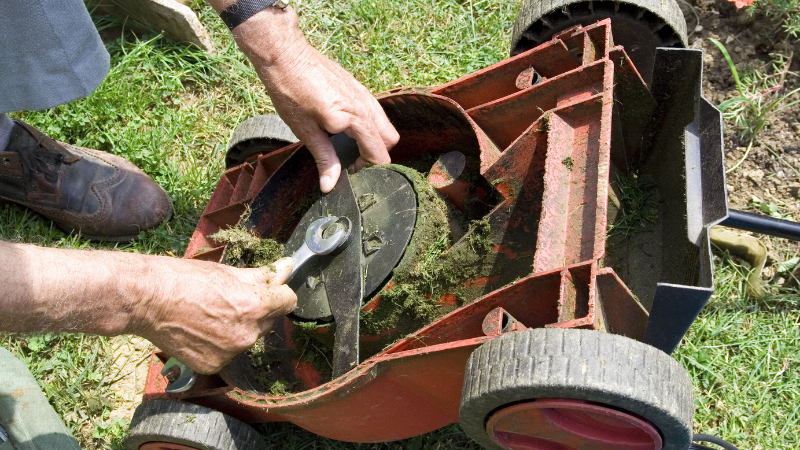
Sharpen your blade at least once per season — more if you mow frequently or have rocky, sandy soil. A dull blade doesn't just tear grass instead of cutting it. It creates uneven drag that stresses the engine and accelerates spindle bearing wear. The same precision approach you'd use when learning how to sharpen pruning shears applies here: consistent angle, even pressure, and balanced material removal from both ends.
After every sharpening, always balance the blade. An unbalanced blade vibrates intensely at full operating speed, which multiplies noise output and rapidly degrades bearings. Use an inexpensive blade balancing cone — available at any hardware store — to confirm both sides carry equal weight before reinstalling. This step takes two minutes and makes a measurable difference in how quiet your mower runs.
Engine and Muffler Tips
- Use the correct oil grade for your specific engine — check your owner's manual. Wrong viscosity oil doesn't lubricate internal components properly, which increases both noise and wear rate.
- Replace the air filter every season. A clogged filter restricts airflow, forcing the engine to run rich. That produces rough, uneven combustion noise and wastes fuel.
- Check the muffler fasteners at the start of each season. Heat cycles cause mounting bolts to loosen progressively over time. A loose muffler rattles and leaks exhaust sound directly into the surrounding air.
- Always use fresh fuel. Stale gas causes incomplete combustion, rough engine operation, and persistent popping noise. Confirm you're using the right fuel type for your engine with our guide on lawn mower gas vs car gas.

When to Fix It Yourself — and When to Stop
Not every noise problem is a DIY fix. Knowing where that line falls saves you from turning a recoverable problem into an unrecoverable one. Here's a clear breakdown based on the type of noise and what it indicates.
Signs You Can Handle It Yourself
These issues are well within reach for most owners with basic mechanical comfort:
- Loose blade bolt — tighten with a socket wrench to specification
- Clogged deck — scrape and rinse clean with a garden hose
- Low or old oil — top up or do a full oil change
- Clogged air filter — replace for $5–$10
- Loose muffler bracket — retighten the mounting bolts
- Worn spark plug — replace for $3–$8. If the plug is oil-fouled, check our guide on why your lawn mower spark plug is wet for the underlying cause
- Dull or unbalanced blade — sharpen, balance, and reinstall
Signs You Need a Mechanic
Stop and call a professional if you encounter any of these:
- Deep knocking from inside the engine block — This is rod knock. It signals internal engine damage. Running the mower further destroys it completely.
- White or blue smoke combined with loud noise — indicates a blown gasket or oil burning inside the cylinder
- The blade spindle is seized or has visible bearing damage — bearing replacement requires a press tool in most configurations
- The crankshaft is visibly bent — this happens when the blade strikes a solid object at full speed. A bent crankshaft cannot be straightened reliably; the block needs replacement or rebuild.
- Noise combined with electrical erratic behavior — if you're also dealing with a battery that won't hold charge alongside the noise, it may point to a charging system fault that compounds the problem
DIY Repair vs. Professional Service: The Real Comparison
There's a practical case for both approaches depending on the specific problem. The table below gives you a clear side-by-side view of what each noise issue actually costs, so you can make an informed decision rather than guessing.
Side-by-Side Comparison
| Noise Problem | DIY Difficulty | Typical DIY Cost | Pro Service Cost | Best Approach |
|---|---|---|---|---|
| Loose blade bolt | Easy | $0 | $40–$60 labor | DIY |
| Clogged deck | Easy | $0 | $50–$75 | DIY |
| Oil change | Easy | $5–$15 | $30–$60 | DIY |
| Air filter replacement | Easy | $5–$12 | $25–$45 | DIY |
| Muffler replacement | Moderate | $15–$40 | $80–$150 | DIY with caution |
| Blade spindle bearing | Hard | $25–$60 + tools | $100–$200 | Pro recommended |
| Head gasket replacement | Very Hard | $20–$50 + time | $150–$350 | Pro |
| Rod knock / engine damage | Not DIY | N/A | $300–$700+ | Pro or replace mower |
The pattern is clear: simple mechanical fixes deliver significant savings when done yourself. The more internal the repair, the more you benefit from professional hands. A small engine mechanic charges $50–$80 per hour, so any repair exceeding an hour of their labor warrants a cost-versus-replacement conversation.
Quick Fixes You Can Do Right Now
If your mower is in the garage and you want to make real progress today, start with these. They're the fastest, lowest-effort repairs that resolve the most common noise complaints without needing specialized tools.
No-Tool Checks
Before grabbing any tools, run through these in order:
- Check the oil level — 60 seconds and it eliminates the most destructive potential cause immediately
- Visually inspect the muffler for cracks, rust holes, or a visibly loose bracket
- Look for grass or debris packed into the wheel housing or discharge chute — even small accumulations create vibration and rattling noise
- Confirm the grass collection bag is seated properly — a loose bag generates a constant rattle that mimics something more serious
Simple Tool Fixes
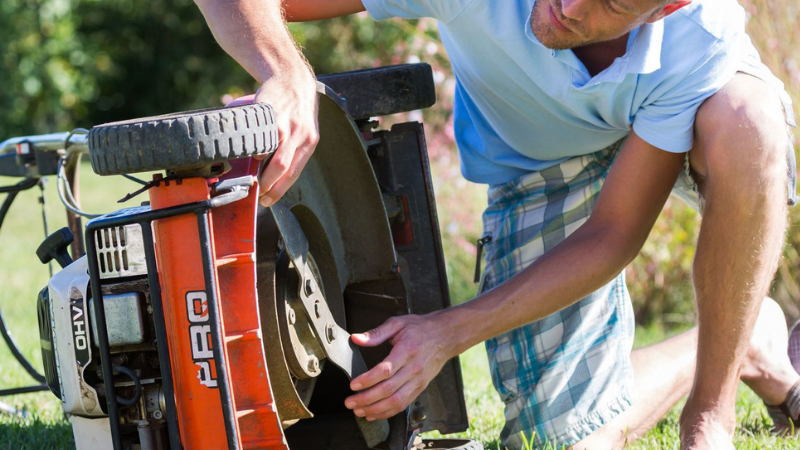
With a socket set, a scraper, and 20–30 minutes, you can address the three most common noise sources in a single session:
- Clean the deck thoroughly. Disconnect the spark plug wire, tip the mower on its side with the carburetor facing up, and scrape out all packed grass from under the deck. A garden hose rinses remaining residue. Let it dry fully before the next run.
- Tighten the blade bolt. Use a torque wrench if you have one. If not, a long-handled socket wrench provides enough leverage to seat the bolt properly. A loose blade is both noisy and genuinely dangerous — this step is non-negotiable.
- Replace the spark plug. If it's been more than two seasons, swap it for a new one. A fresh plug restores clean combustion, eliminates misfires, and often produces an immediate improvement in engine smoothness and overall noise level.
These three steps — clean deck, tight blade, fresh plug — resolve the majority of lawnmower noise complaints. If your mower is still loud after completing all three, work back up through the engine diagnostic steps covered earlier in this guide. Once your mower is running quietly again, put its health to use with a clean, well-fed lawn — our guide on which fertilizer greens up a lawn fastest is a logical next step.
Frequently Asked Questions
Why is my lawnmower suddenly making a loud knocking noise?
A sudden loud knock almost always points to rod knock — internal engine damage caused by metal-on-metal contact from insufficient lubrication. Stop using the mower immediately. Running it further will complete the engine's destruction. Check the oil level first, but if it was critically low, the internal damage is likely already done and requires a professional assessment.
Can a dirty air filter make a lawnmower louder?
Yes. A clogged air filter restricts airflow to the combustion chamber, forcing the engine to work harder to maintain its operating RPM. That extra strain produces a rougher, louder engine note and causes incomplete combustion. Replacing the air filter is one of the cheapest fixes available — typically $5–$12 and about five minutes of work.
Why does my lawnmower make a rattling sound when I start it?
A rattling sound at startup usually indicates a loose blade bolt, a loose muffler bracket, or debris trapped under the deck or near the wheel housing. Start with the quick visual checks — disconnect the spark plug wire and look for anything that shouldn't be moving freely. In most cases the source is obvious once you look for it.
Is it safe to keep mowing if my lawnmower is making loud noise?
It depends on the type of noise. A mild rattle from a loose deck cover may be safe to address after your session. But knocking from the engine block, grinding from the blade spindle, or any noise accompanied by smoke means stop immediately. Continuing to operate a mechanically stressed mower risks catastrophic damage and real safety hazards.
How often should I sharpen my lawnmower blade to prevent noise?
Sharpen your blade at least once per mowing season under normal conditions. If you mow more than an acre per session, have stony or sandy soil, or mow frequently, sharpen every 20–25 hours of use. A dull blade creates drag that loads the spindle bearings unevenly, which translates directly into increased operational noise.
Why does my lawnmower make more noise on tall or thick grass?
Thick grass creates greater resistance against the spinning blade, which loads both the engine and spindle bearings harder than usual. A drop in engine pitch and an increase in overall noise under heavy load is normal to a degree. If the noise jump is dramatic, your blade is likely dull, your deck is clogged with old clippings, or your oil level is low.
Can the wrong type of fuel make a lawnmower louder?
Yes. Fuel with too much ethanol content — above E10 — degrades carburetor seals and causes rough, erratic combustion that produces audible noise. Always use fresh fuel rated for small engines. Stale fuel left sitting over winter gums up the carburetor and causes uneven combustion noise throughout the season. If you suspect fuel system damage, our guide on lawnmower carburetor leaking gas covers the related diagnostics.
Final Thoughts
A lawnmower making loud noise is giving you a clear signal — and now you know exactly how to read it. Start with the no-tool checks today, work through the step-by-step diagnosis if the quick fixes don't resolve it, and use the comparison table to decide whether this is a Saturday morning job or one for a small engine shop. The sooner you act on the noise, the cheaper the fix. Head back to our gardening tips section for more guides on keeping every part of your outdoor space in top condition.


About Lee Safin
Lee Safin was born near Sacramento, California on a prune growing farm. His parents were immigrants from Russia who had fled the Bolshevik Revolution. They were determined to give their children a better life than they had known. Education was the key for Lee and his siblings, so they could make their own way in the world. Lee attended five universities, where he studied plant sciences and soil technologies. He also has many years of experience in the U.S. Department of Agriculture as a commercial fertilizer formulator.
Get FREE Gardening Gifts now. Or latest free toolsets from our best collections.
Disable Ad block to get all the secrets. Once done, hit any button below